Pioneering parasitological research that develops novel strategies to accelerate the elimination of schistosomiasis
Main programs
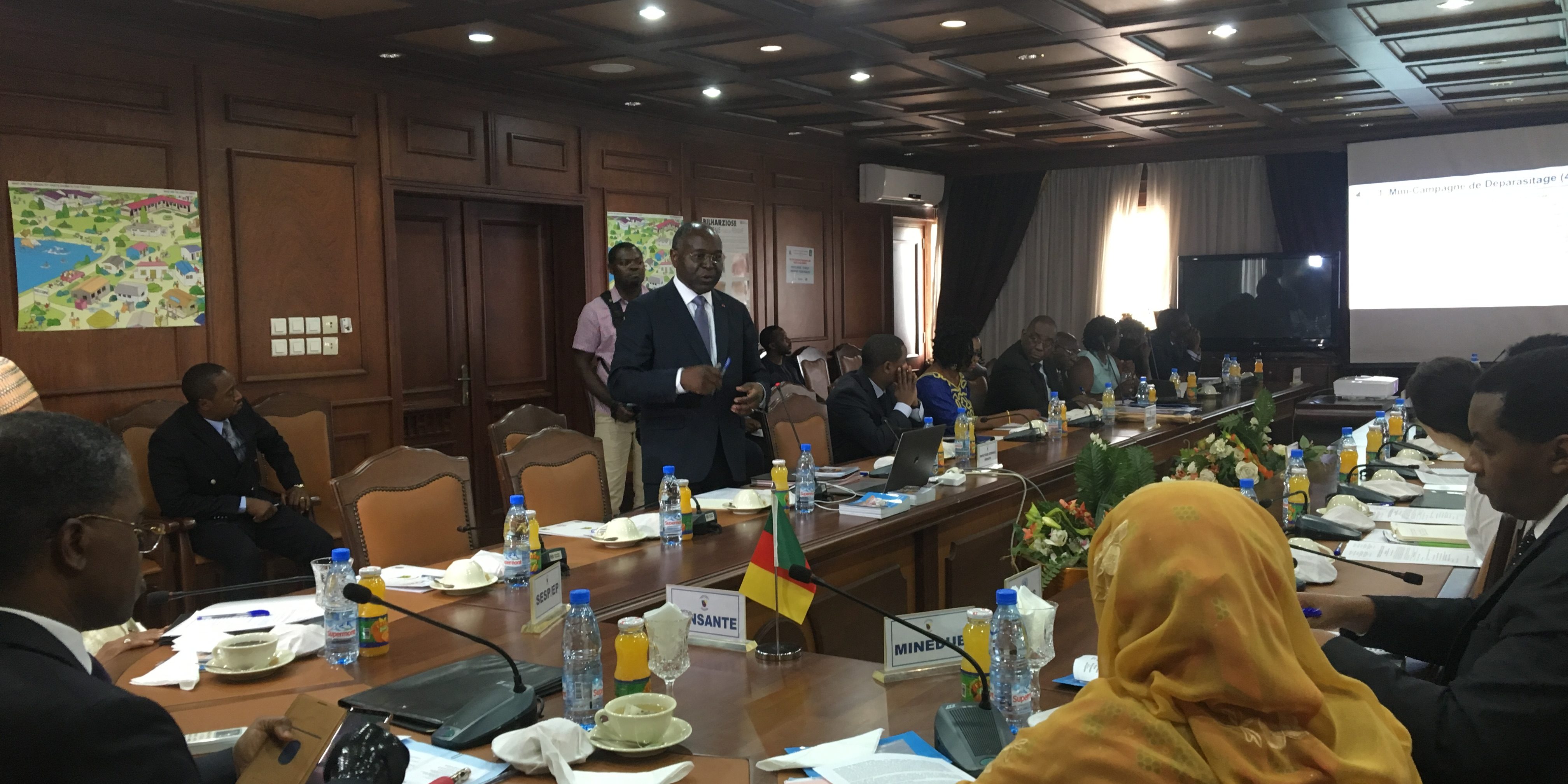
National Programme, COUNTDOWN Project A multidisciplinary collaboration between governmental, scientific, and international organizations
the Centre Schisto integrates ‘research’ and ‘control’ as the following major research themes:
Our Research
01 Epidemiology of Schistosomiasis and Intestinal Helminthiasis
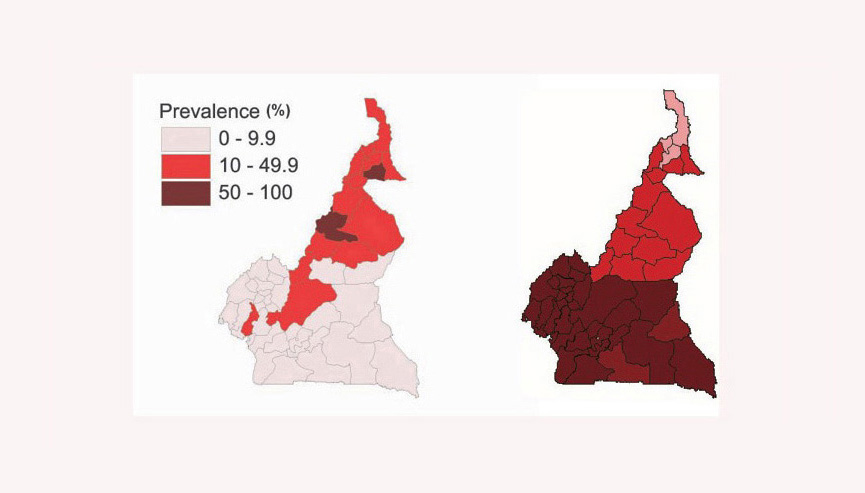
The assessment of infection prevalence and intensities, transmission dynamics, identification of snail hosts, transmission factors, updating of distribution maps.
02 Polyparasitism in Humans
The study of co-infections
03 Genetic Studies
Characterization, genetic factors
04 Interactions between Schistosome Species
Hybridisations and interspecific competitions, epidemiological and clinical consequences
Services
Our diverse range of services
01
Disease Management
The Centre Schisto is particularly involved in the control of schistosomiasis and geohelminthiasis.h functionality and aesthetics.
02
Research
In order to contribute to the improvement of health of people in endemic areas the Centre Schisto integrates ‘research’ and ‘control’ major research themes
Discover how CSP implements control strategies, measures the impact of deworming campaigns.Discover our research, and measurable progress in reducing schistosomiasis prevalence. Explore our impact through data and trends
Polyparasitism in Humans: The study of co-infections.
Interactions between Schistosome Species
Hybridisations and interspecific competitions, epidemiological and clinical consequences.
Genetic Diversity of Schistosomes and Snails
Morphological, biochemical and molecular characterization, and the impact of genetic diversity on the host-parasite relationship
Epidemiology of Schistosomiasis and Intestinal Helminthiasis
The assessment of infection prevalence and intensities, transmission dynamics, identification of snail hosts, transmission factors, updating of distribution maps.
Genetic Studies
Characterization, genetic factors.
Alternative and Complementary medicine
Testing the anti-schistosomal activity of plant extracts commonly used for traditional medicine.
Treatment Efficacy and Drug Resistance
Efficacy of main anthelminthic drugs, monitoring of development of resistant schistosome strains to Praziquantel.
Geographical Information System (GIS)
Mapping of risk zones for control interventions.
Polyparasitism in Humans
Polyparasitism in Humans: The study of co-infections.
Interactions between Schistosome Species
Hybridisations and interspecific competitions, epidemiological and clinical consequences.
Genetic Diversity of Schistosomes and Snails
Morphological, biochemical and molecular characterization, and the impact of genetic diversity on the host-parasite relationship
Epidemiology of Schistosomiasis and Intestinal Helminthiasis
The assessment of infection prevalence and intensities, transmission dynamics, identification of snail hosts, transmission factors, updating of distribution maps.
Genetic Studies
Characterization, genetic factors.
Alternative and Complementary medicine
Testing the anti-schistosomal activity of plant extracts commonly used for traditional medicine.
Treatment Efficacy and Drug Resistance
Efficacy of main anthelminthic drugs, monitoring of development of resistant schistosome strains to Praziquantel.
Geographical Information System (GIS)
Mapping of risk zones for control interventions.
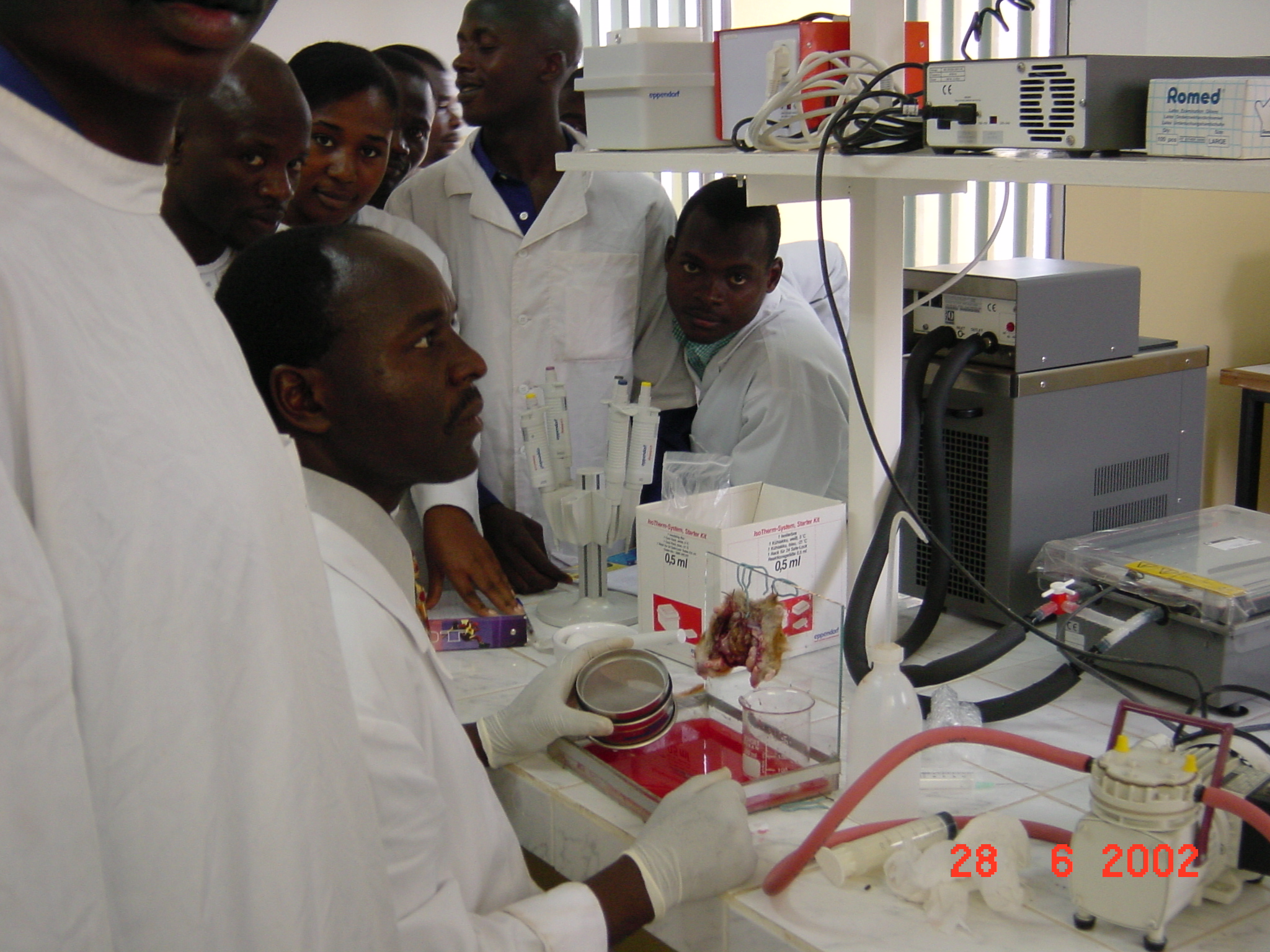
Parasitology Laboratory
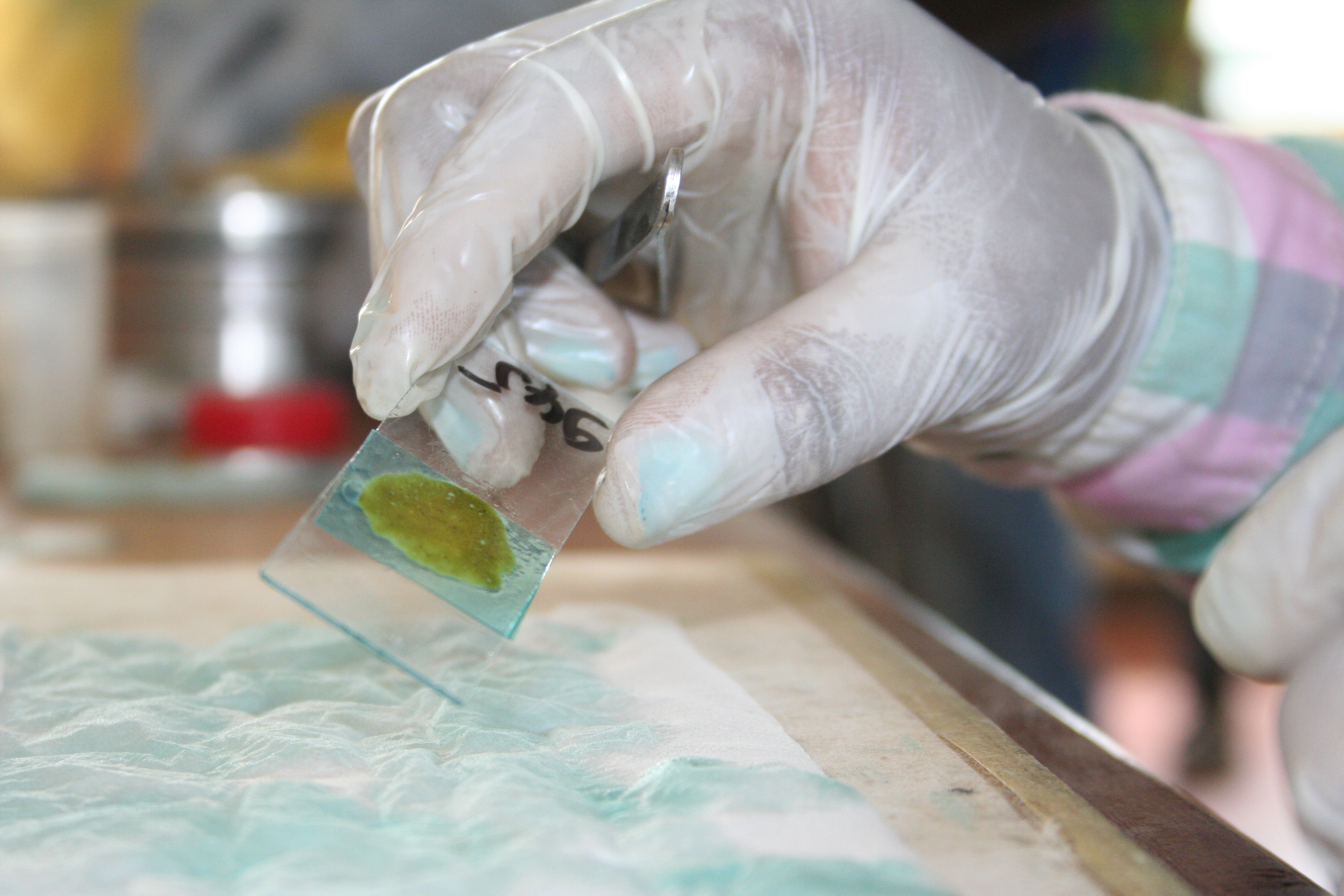
The Parasitology Lab provides diagnostic support for the efficient detection of parasitic infections in humans. This detection is made possible by use of human urine and faeces.
Interactions between Schistosome Species
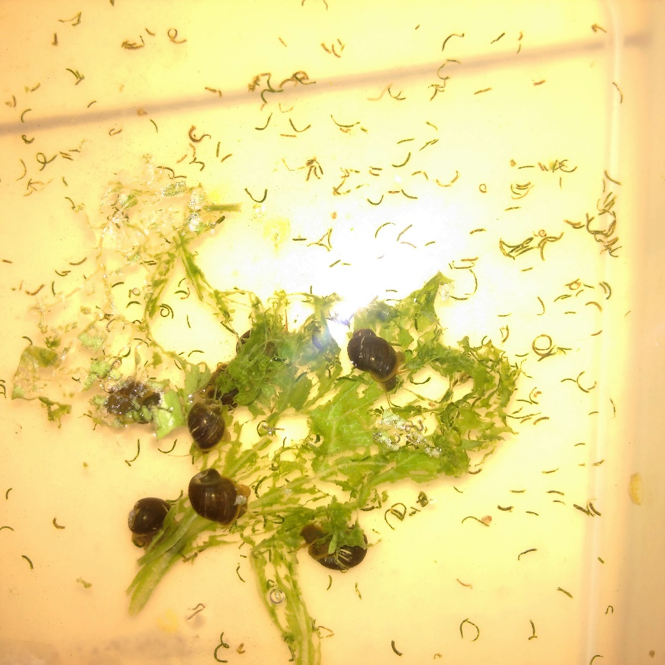
Snails are the main host for all schistosome species. By studying these creatures in their niche, we are better equipped at creating mechanisms for preventing the growth of these schistomes which cause a great ordeal for humans.
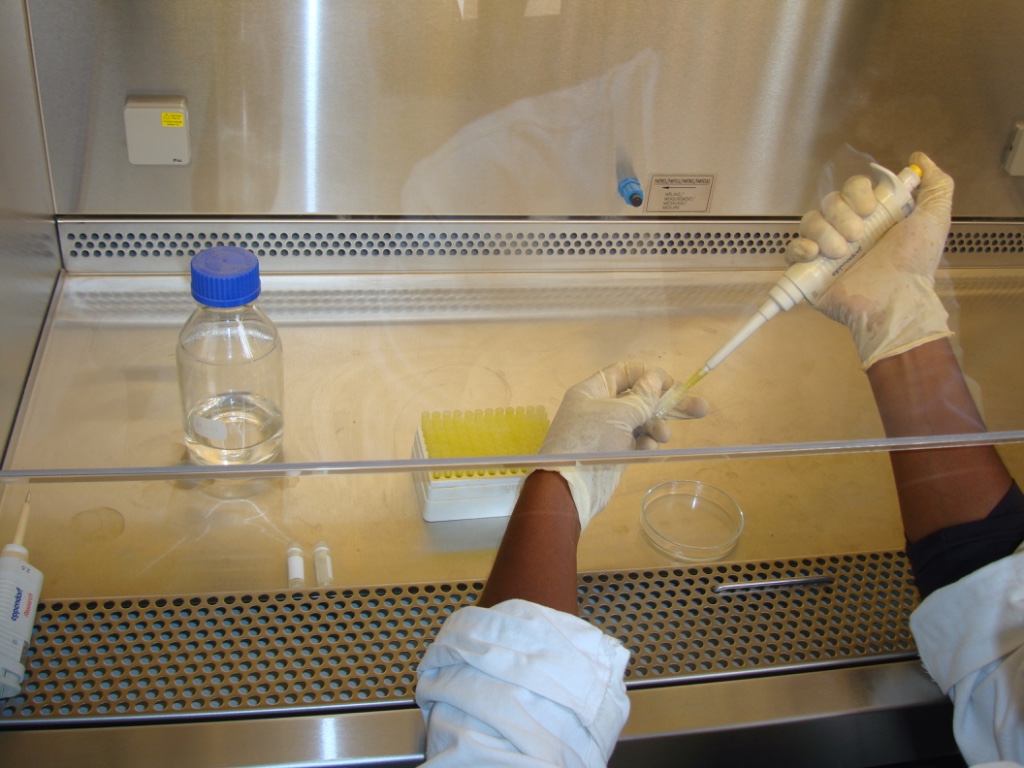
Culture Lab
The Centre is equipped to carryout in-vitro/tests tube experiments using cells or microorganisms. The facility has a lamina flux and incubators which assist in in-vitro research.
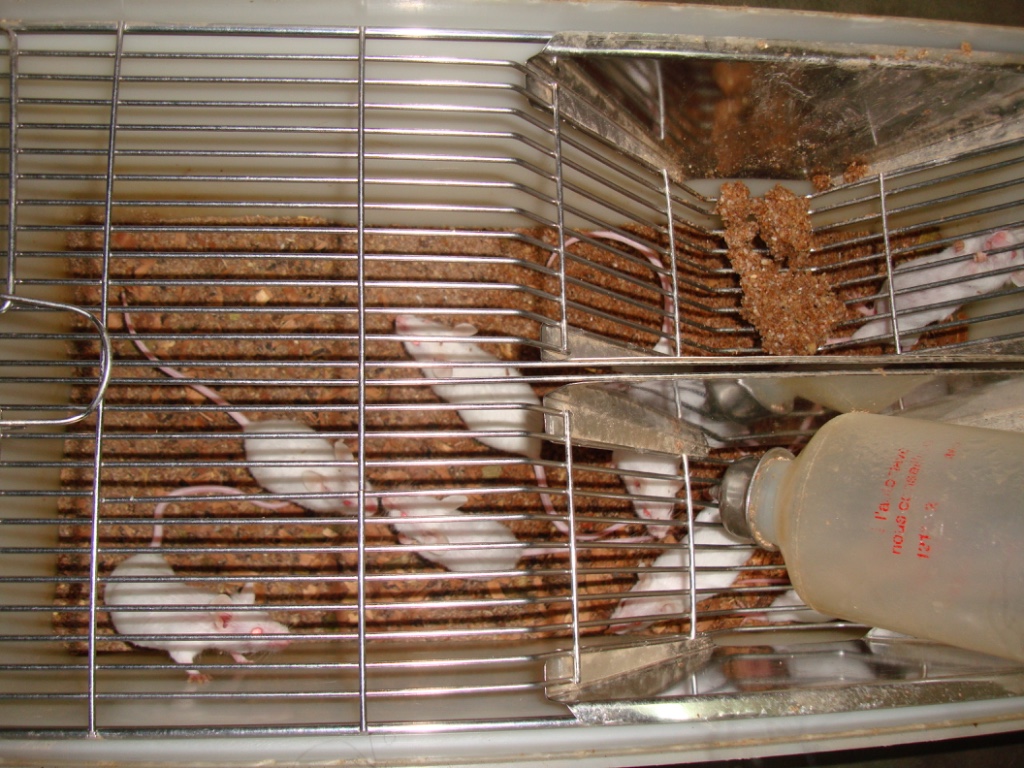
Bioterium
One of our most invaluable facilities in which animal research is being carried out in environmental, health and nutritional controlled conditions.
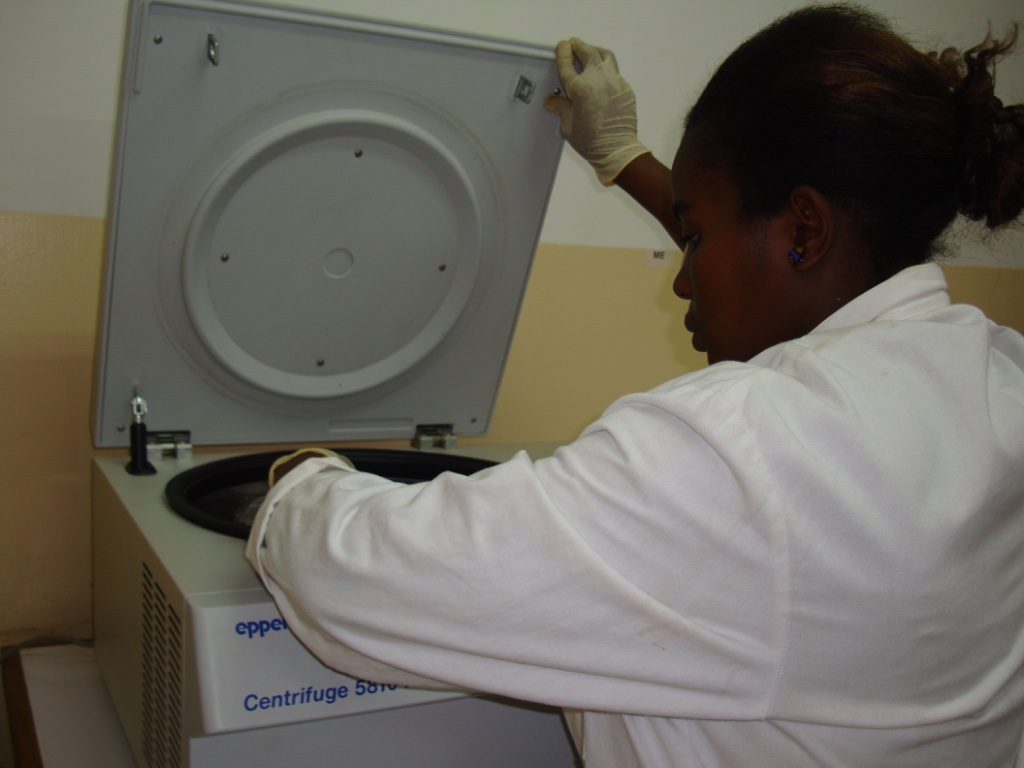
Biochemistry Laboratory
Our biochemistry facility is equipped to carryout throughput scientific techniques such as gel electrophoresis, PCR, and mass spectrometry
Parasitology Laboratory
The Parasitology Lab provides diagnostic support for the efficient detection of parasitic infections in humans. This detection is made possible by use of human urine and faeces.
Interactions between Schistosome Species
Snails are the main host for all schistosome species. By studying these creatures in their niche, we are better equipped at creating mechanisms for preventing the growth of these schistomes which cause a great ordeal for humans.
Culture Lab
The Centre is equipped to carryout in-vitro/tests tube experiments using cells or microorganisms. The facility has a lamina flux and incubators which assist in in-vitro research.
Bioterium
One of our most invaluable facilities in which animal research is being carried out in environmental, health and nutritional controlled conditions.
Biochemistry Laboratory
Our biochemistry facility is equipped to carryout throughput scientific techniques such as gel electrophoresis, PCR, and mass spectrometry
TCHUEM TCHUENTE L.A., Zoure H.G.M., Wanji S., Yameogo L., Traore S., Ndongo Asumu P., Sima A., Amazigo U.
Mapping of Neglected Tropical Diseases in Equatorial Guinea: Recommendations for Integrated Control.
PLoS Negl Trop Dis (in Press).
Jatsa HB, Feussom NG, Femoe UM, Kenfack MC, Nkondo ET, Kadji Fassi JB, Simo ND, Moaboulou C, Dongmo CN, Tsague CD, Dongo E, Kamtchouing P, Tchuem Tchuente LA.
Evaluation of the schistosomicidal, antioxidant and anti-inflammatory activities of the ethyl acetate fraction from Ozoroa pulcherrima Schweinf. Roots on Schistosoma mansoni-induced liver pathology in. Journal of Ethnopharmacology. 238 (111883), p.
Cumberlidge, N., Rollinson, D., Vercruysse, J., Tchuem Tchuenté, L., Webster, B., & Clark, P. (2018).
Paragonimus and paragonimiasis in West and Central Africa: Unresolved questions. Parasitology,145(13), 1748-1757. doi:10.1017/S0031182018001439 View Abstract
Tchuem Tchuenté, L., Ombede, D., Noumedem, C., Chuinteu, G., Nono, B., Lemegne, A., . . . Stothard, J. (2018).
Prospects for the elimination of schistosomiasis and soil-transmitted helminthiasis: Exploring disease trends through time at the Barombi crater lakes, South-West Cameroon. Parasitology,145(13), 1700-1714. doi:10.1017/S0031182018001531 View Abstract
Stothard, J., Campbell, S., Osei-Atweneboana, M., Durant, T., Stanton, M., Biritwum, N., Rollinson, D., Ombede, D. and Tchuem-Tchuenté, L. (2017).
Towards interruption of schistosomiasis transmission in sub-Saharan Africa: developing an appropriate environmental surveillance framework to guide and to support ‘end game’ interventions (link is external). Infectious Diseases of Poverty, 6(1). View Abstract
Tchuem Tchuenté, L., Rollinson, D., Stothard, J. and Molyneux, D. (2017).
Moving from control to elimination of schistosomiasis in sub-Saharan Africa: time to change and adapt strategies (link is external). Infectious Diseases of Poverty, 6(1). View Abstract
Selected CSP Staff Publications relating to Schistosomiasis and Geohelminthiasis research are listed below, with their respective abstract: