
Centre for Schistosomiasis and Parasitology
Pioneering parasitological research that develops innovative diagnostic tools and novel strategies to accelerate the elimination of schistosomiasis.
Understanding Schistosomiasis and the Disease Facts
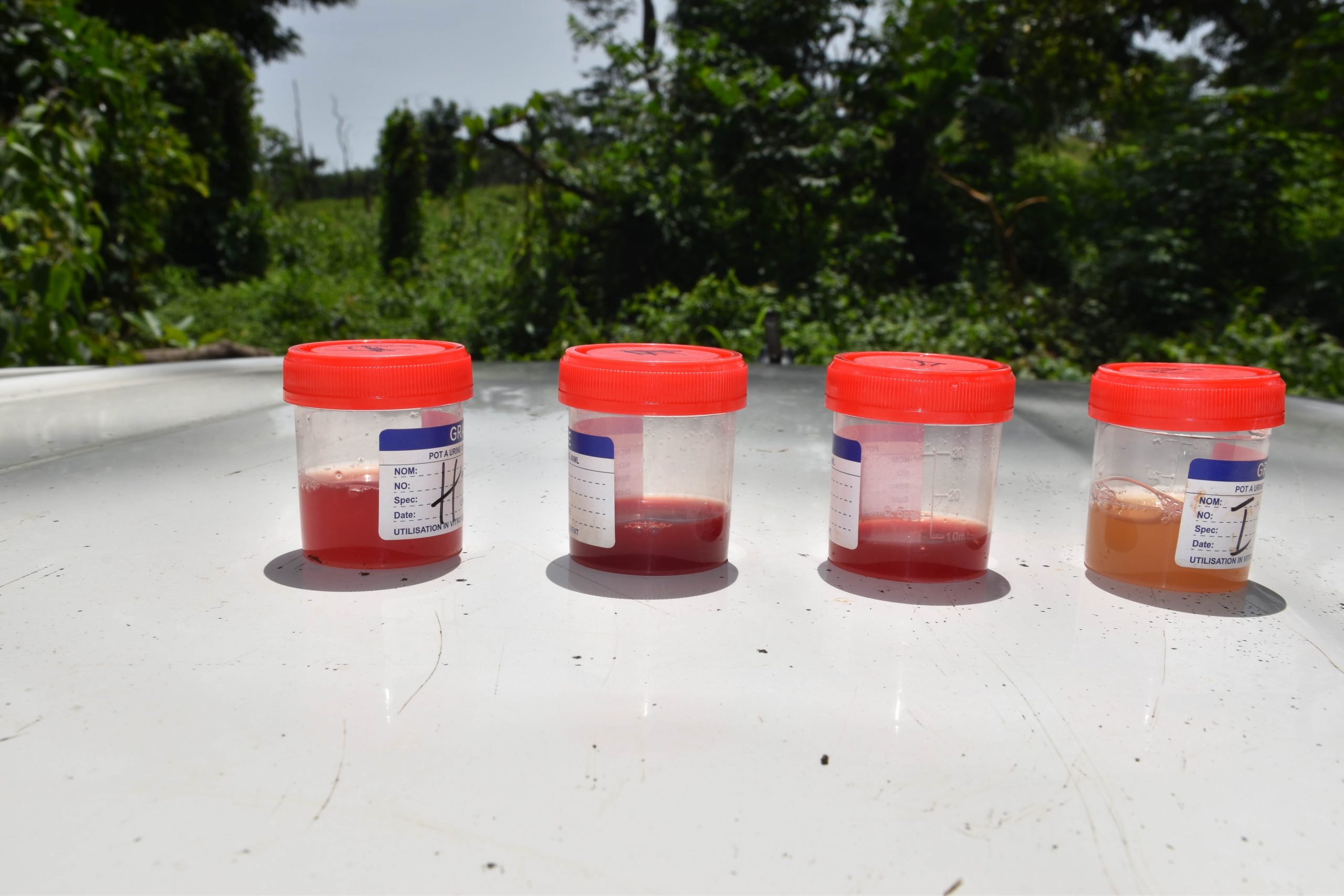
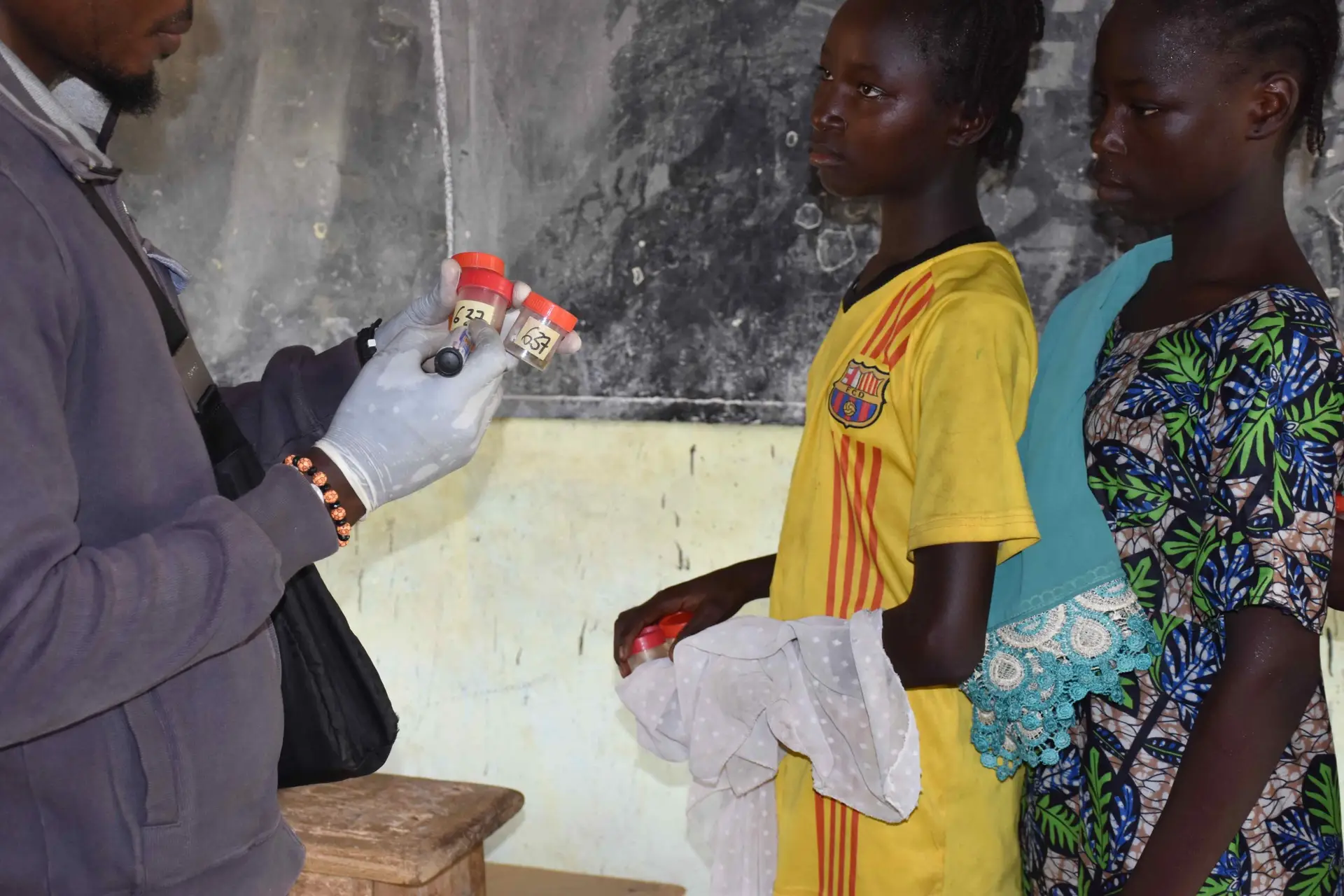
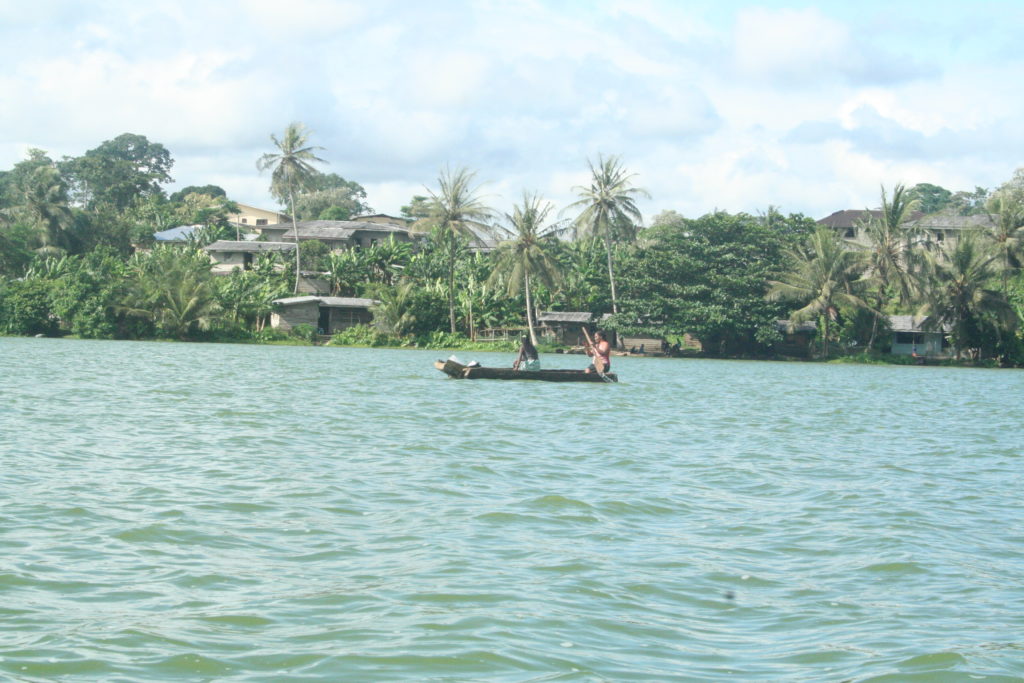
Schistosomiasis, also known as Snail Fever or Bilharzia, is a parasitic disease caused by schistosome worms. It is one of the most prevalent neglected tropical diseases in Cameroon. The disease is transmitted when people come into contact with freshwater contaminated with parasites released from infected snails. School-aged children and communities near water sources are particularly at risk. Without treatment, schistosomiasis can cause severe complications including bladder cancer, liver damage, kidney failure, and infertility. Early diagnosis and treatment with praziquantel are essential.
main programs
A multidisciplinary collaboration between governmental, scientific, and international organizations
National Programme
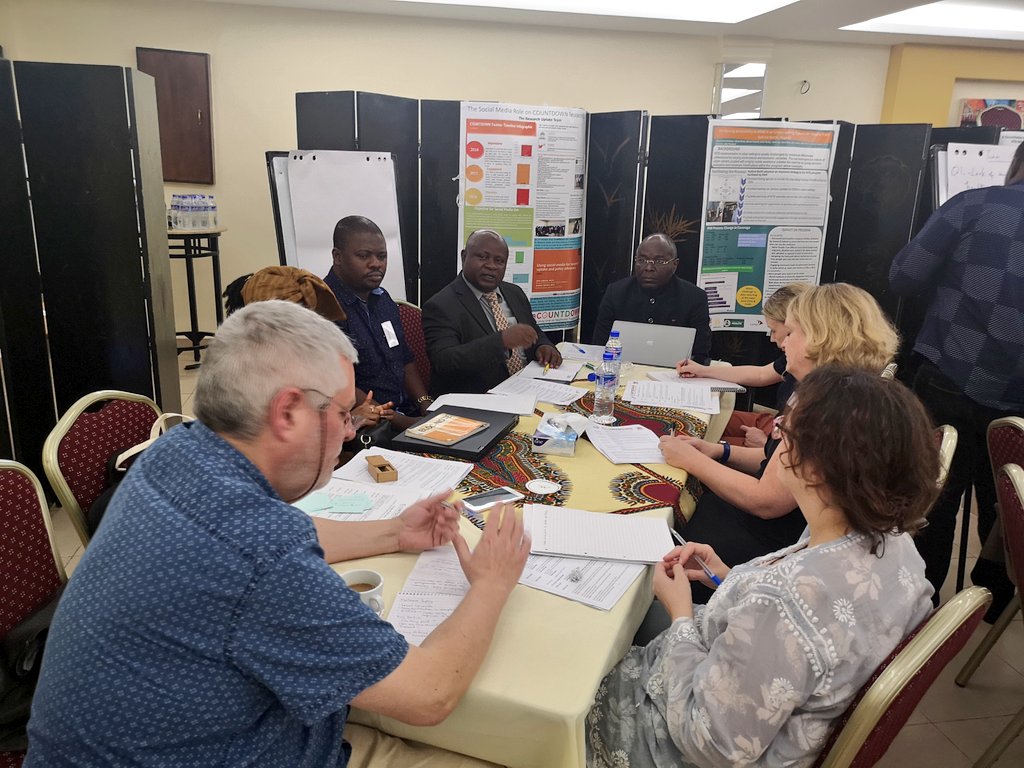
COUNTDOWN Project
Centre for Schistosomiasis
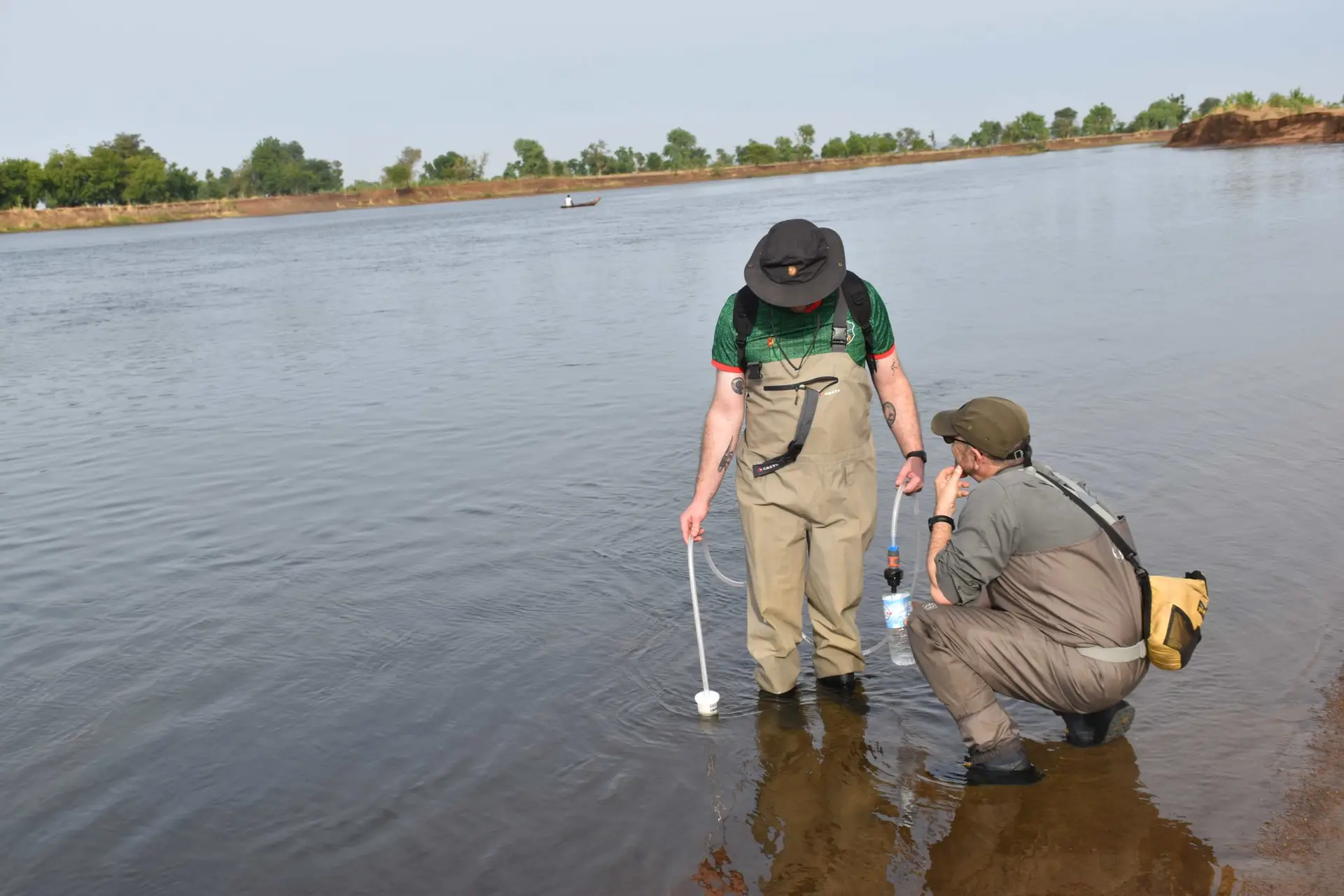
Our Work: Research
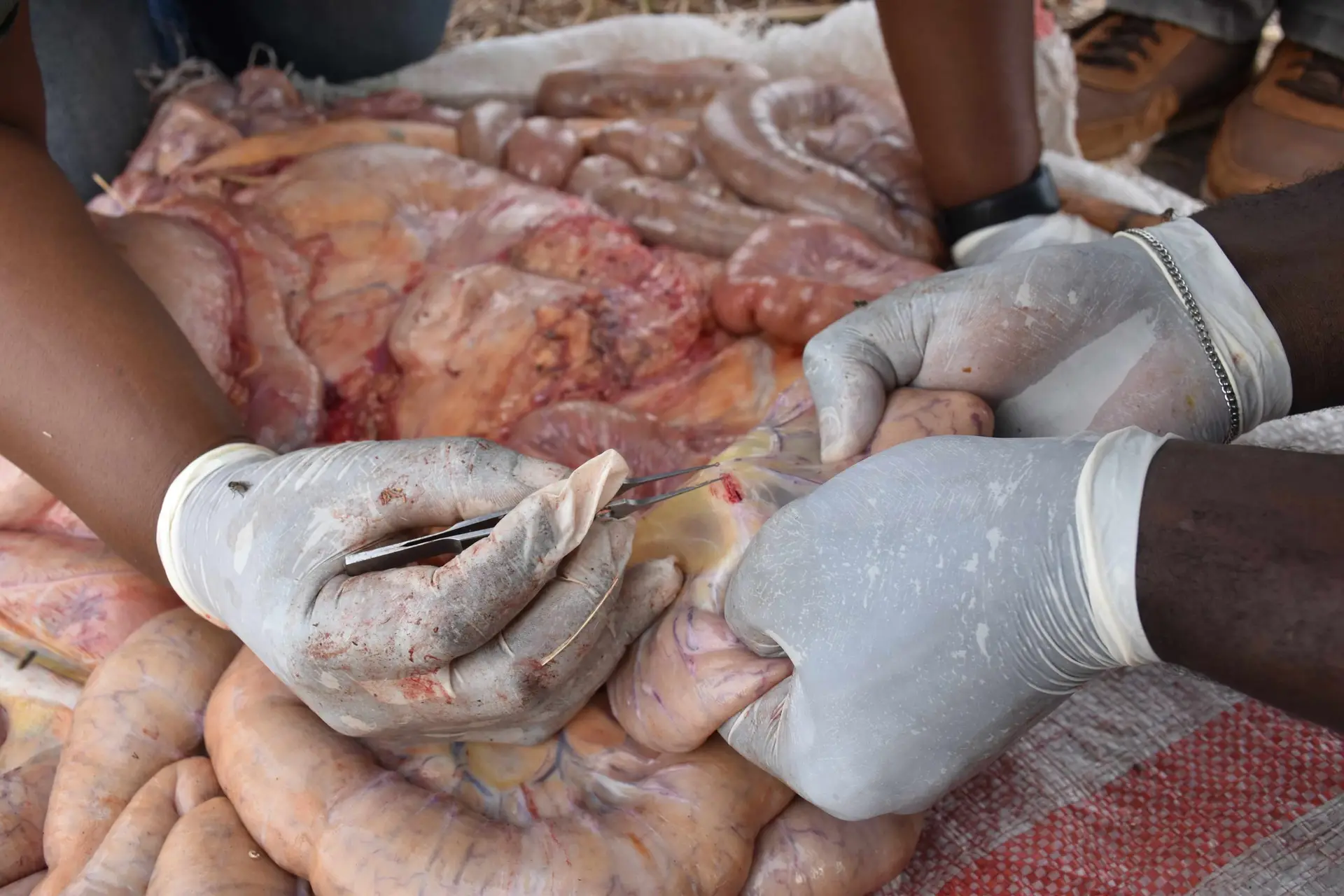
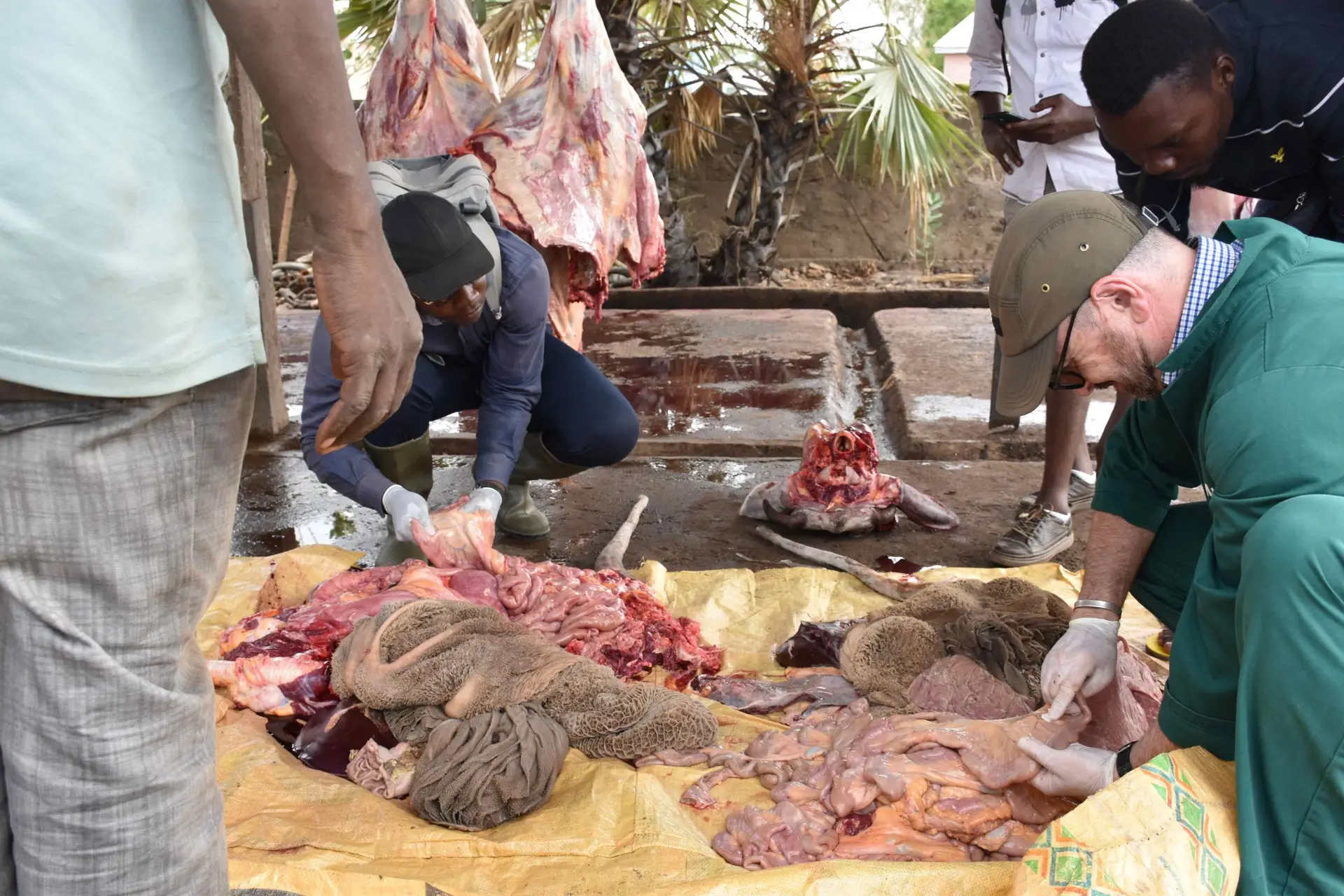
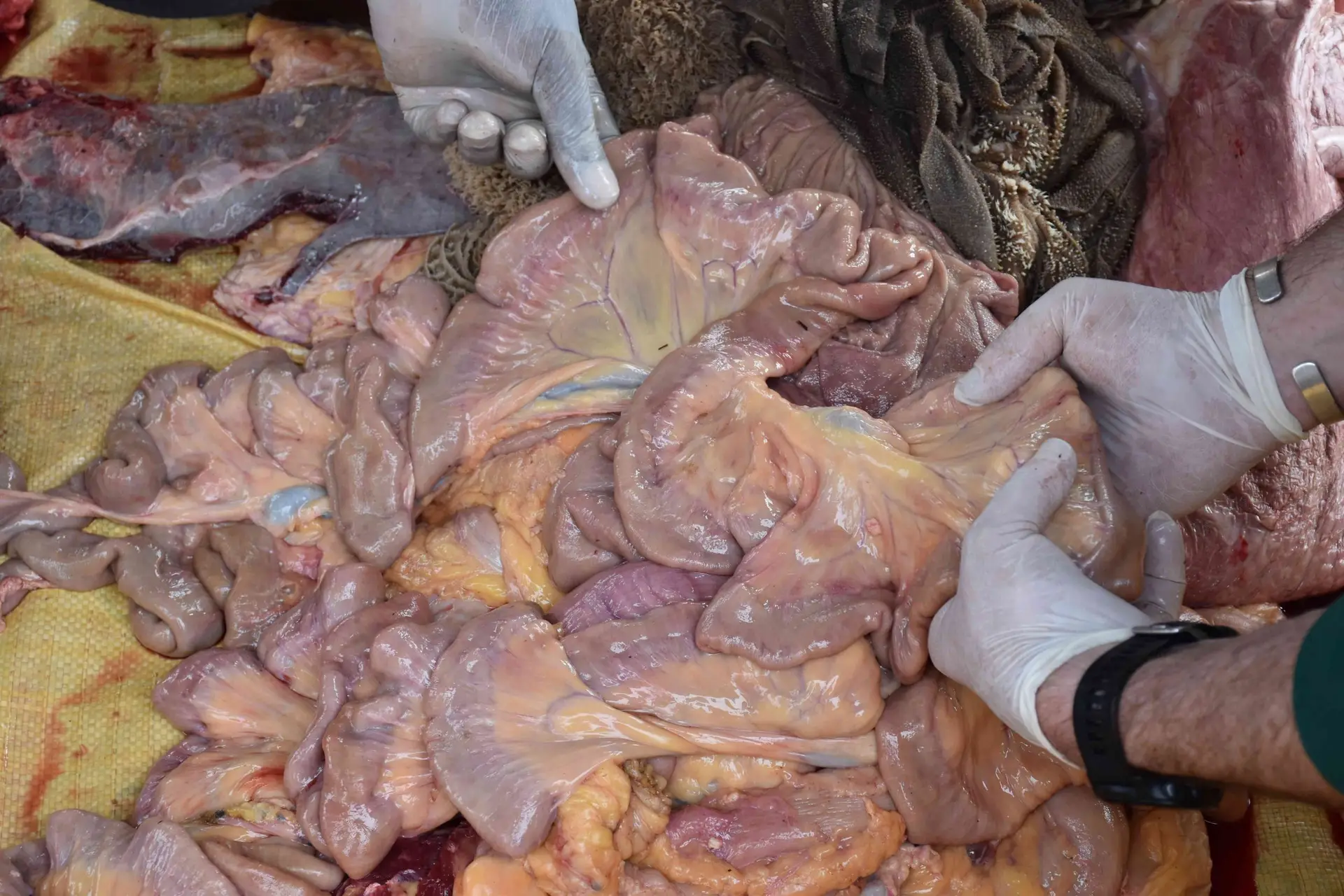
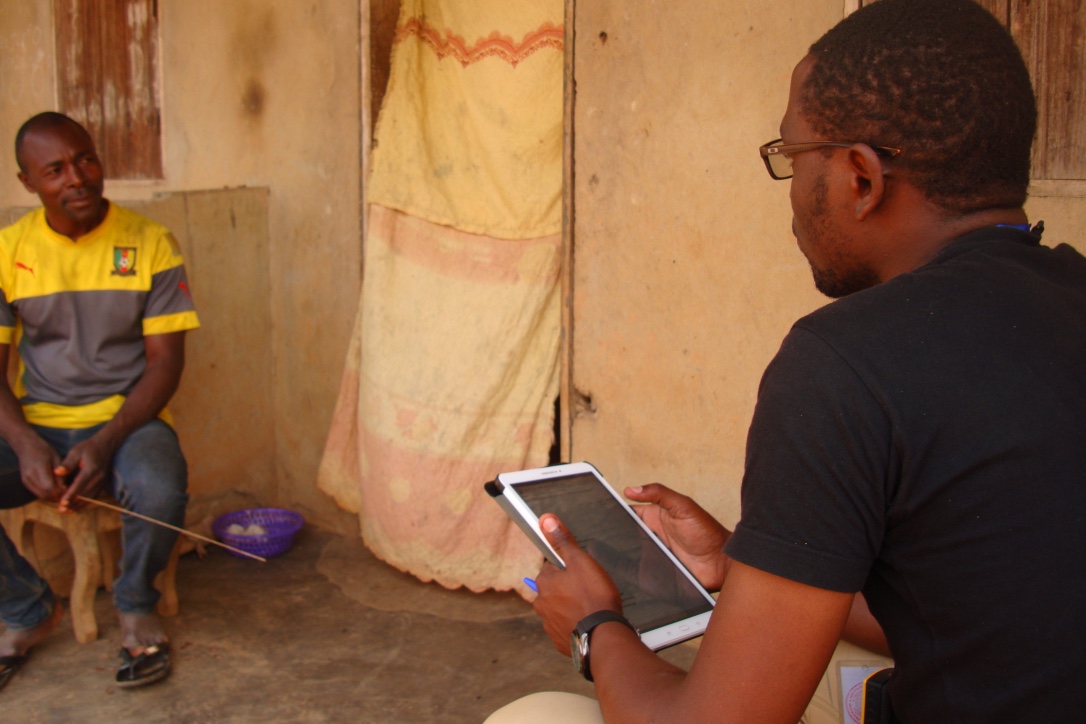
The Centre Schisto is particularly involved in the control of schistosomiasis and geohelminthiasis.
We contribute to the development of control strategies and assist the National Programme in implementing
control activities and operational research.
Epidemiology
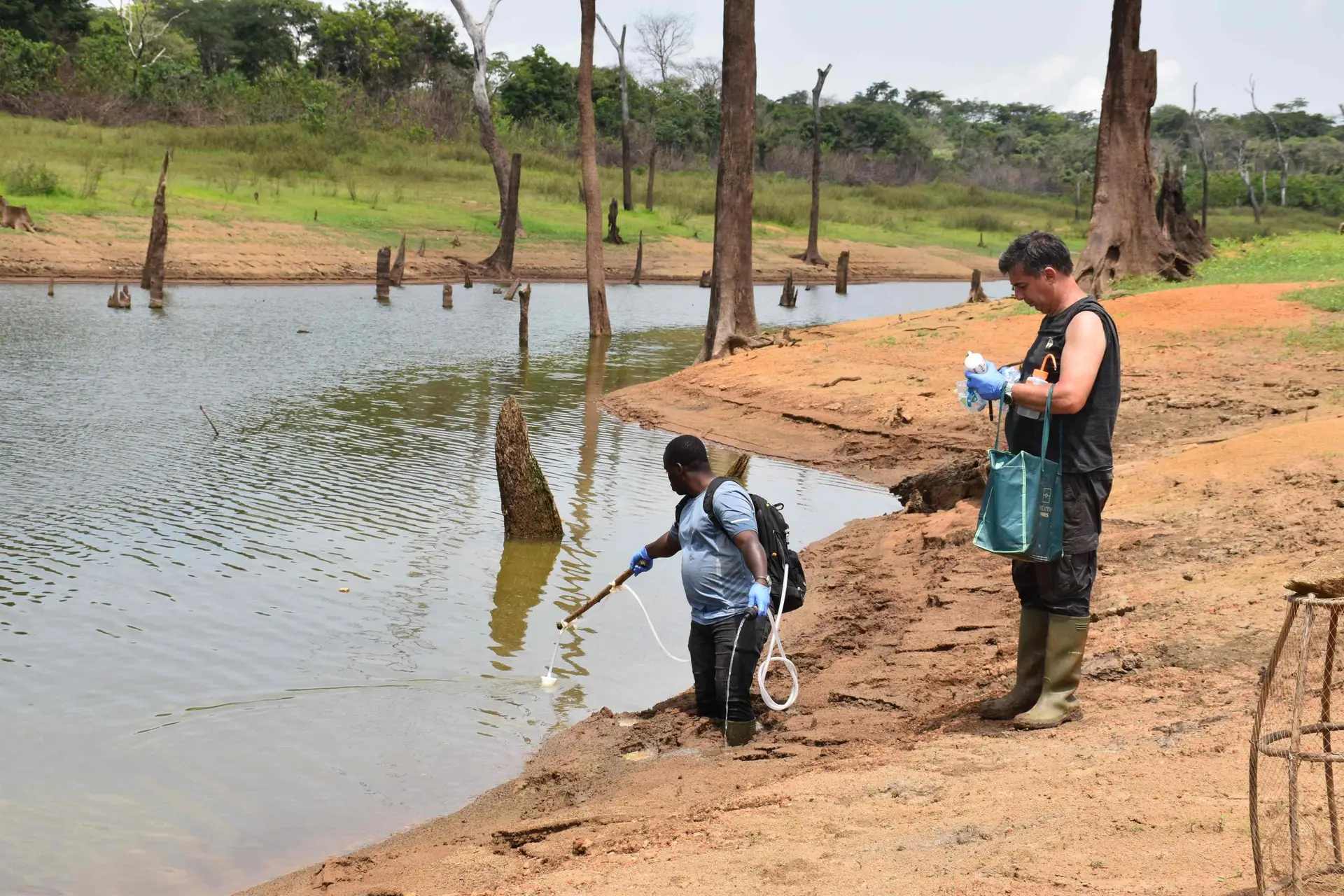
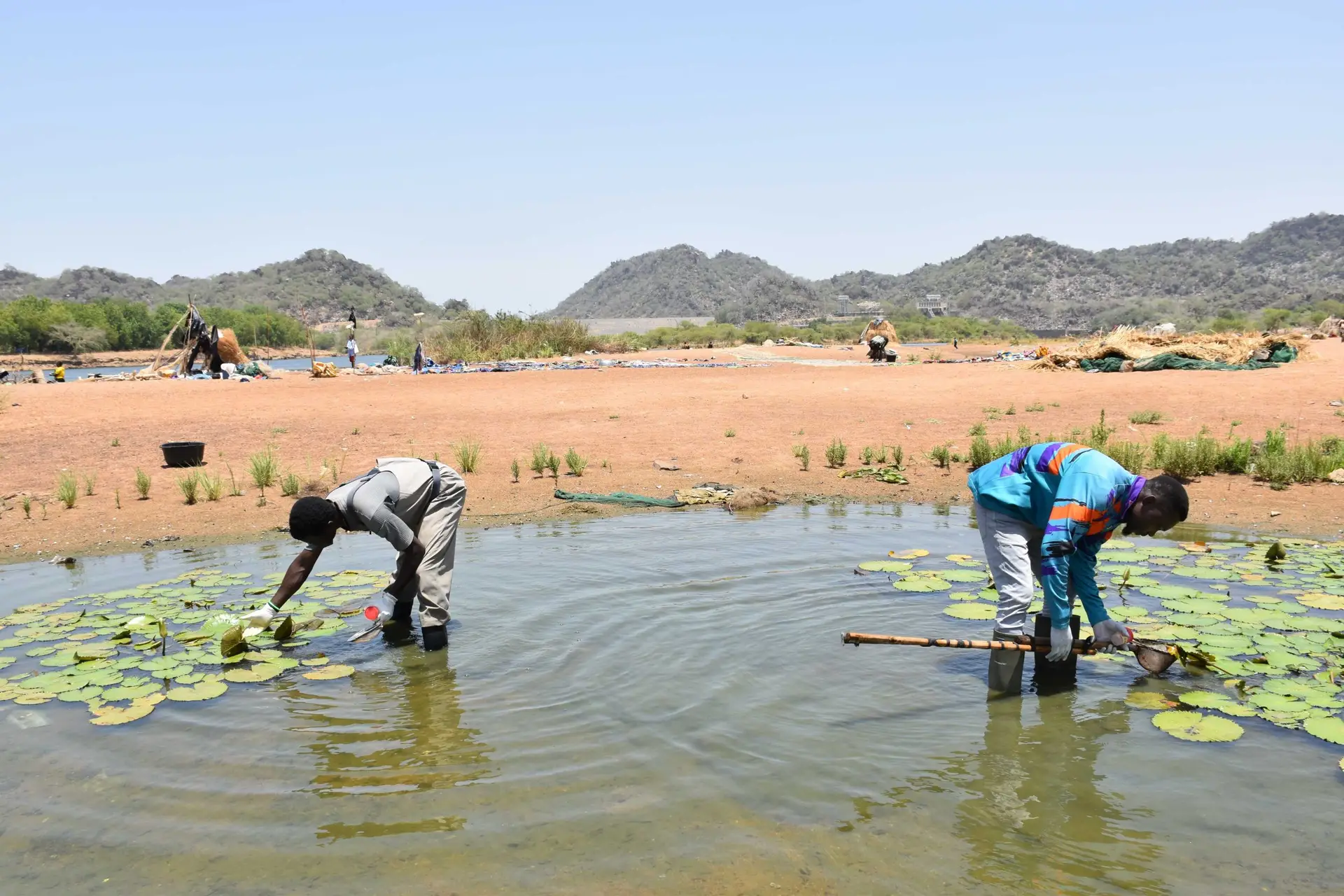
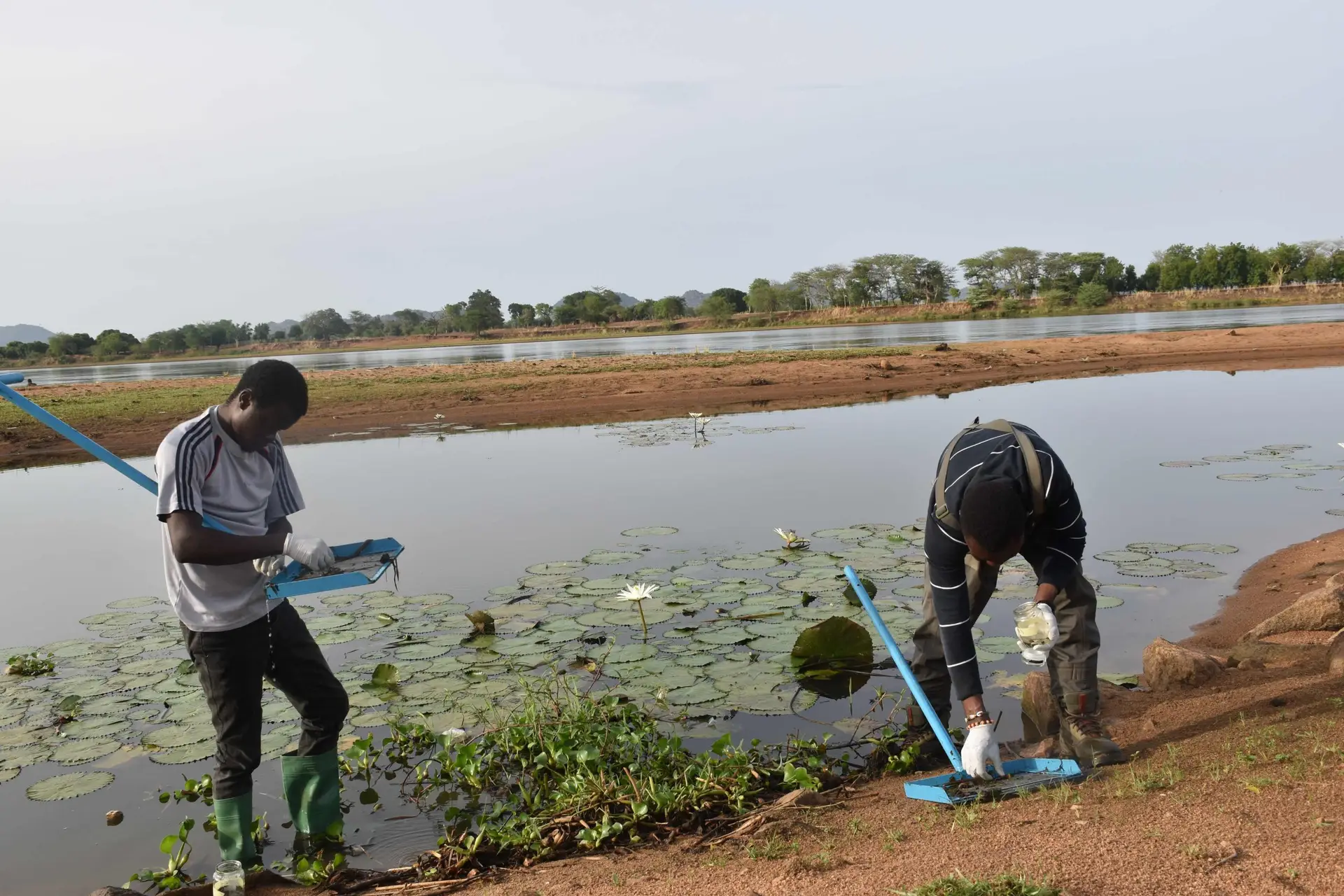
Assessment of infection prevalence, transmission dynamics, and snail host identification.
Genetic Studies
Characterization of genetic factors influencing disease susceptibility.
Polyparasitism
Study of co-infections and complex interactions between parasitic diseases.
Species Interactions
Investigation of hybridizations and interspecific competitions.
Our Facilities
Comprehensive Research Facilities
Parasitology laboratory, biochemical and molecular laboratory, snail room (molluscarium),
animal room (bioterium), culture lab, conference facilities, library, and satellite internet network
supporting high-quality parasitological research

Molluscarium
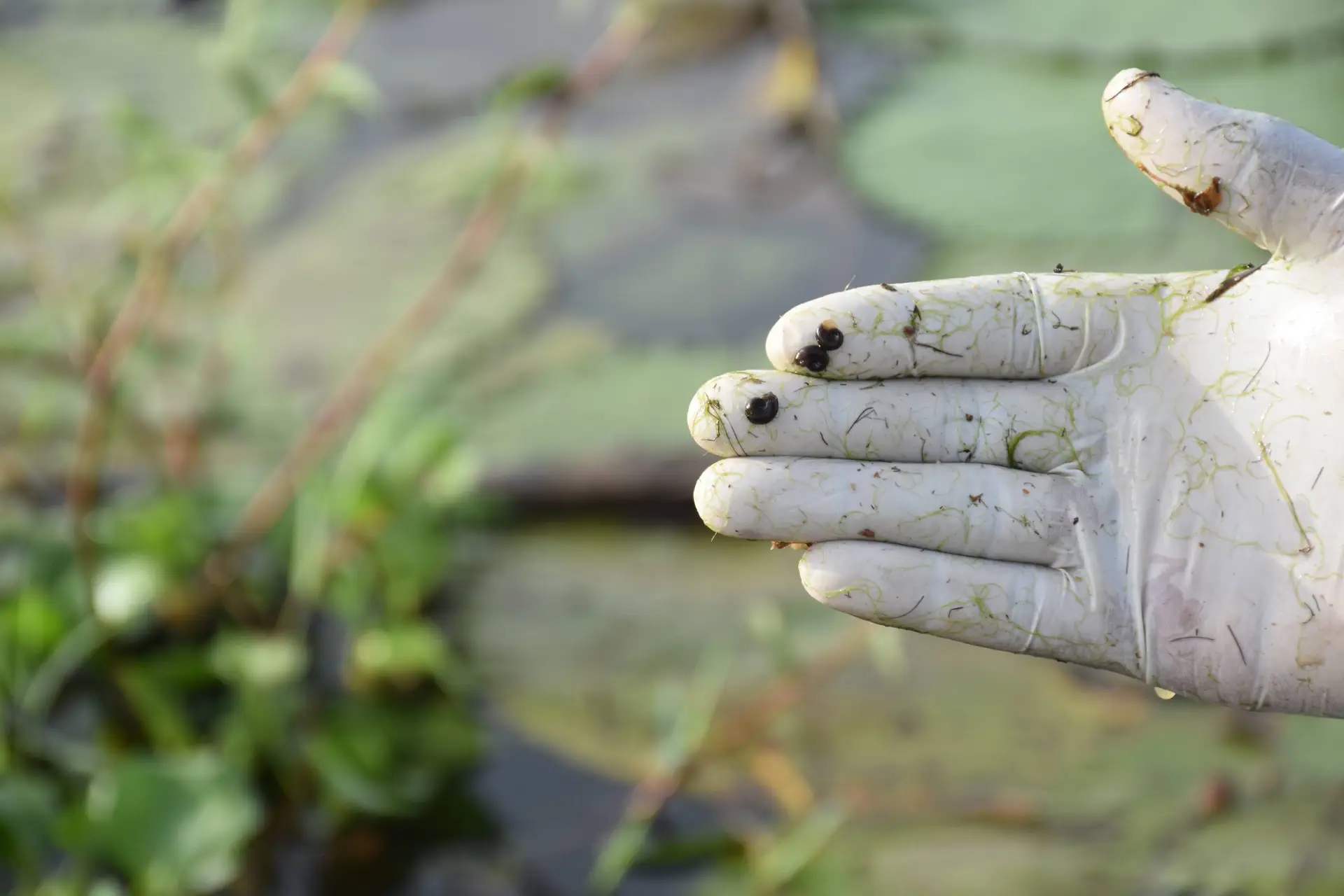
Snails are the main host for all schistosome species. By studying these creatures in their niche, we are better equipped at creating mechanisms for preventing the growth of these schistosomes which cause a great ordeal for humans.

Culture Lab
The Centre is equipped to carry out in-vitro/test tube experiments using cells or microorganisms. The facility has a laminar flow hood and incubators which assist in in-vitro research.

Bioterium
One of our most invaluable facilities in which animal research is being carried out in environmental, health and nutritional controlled conditions.

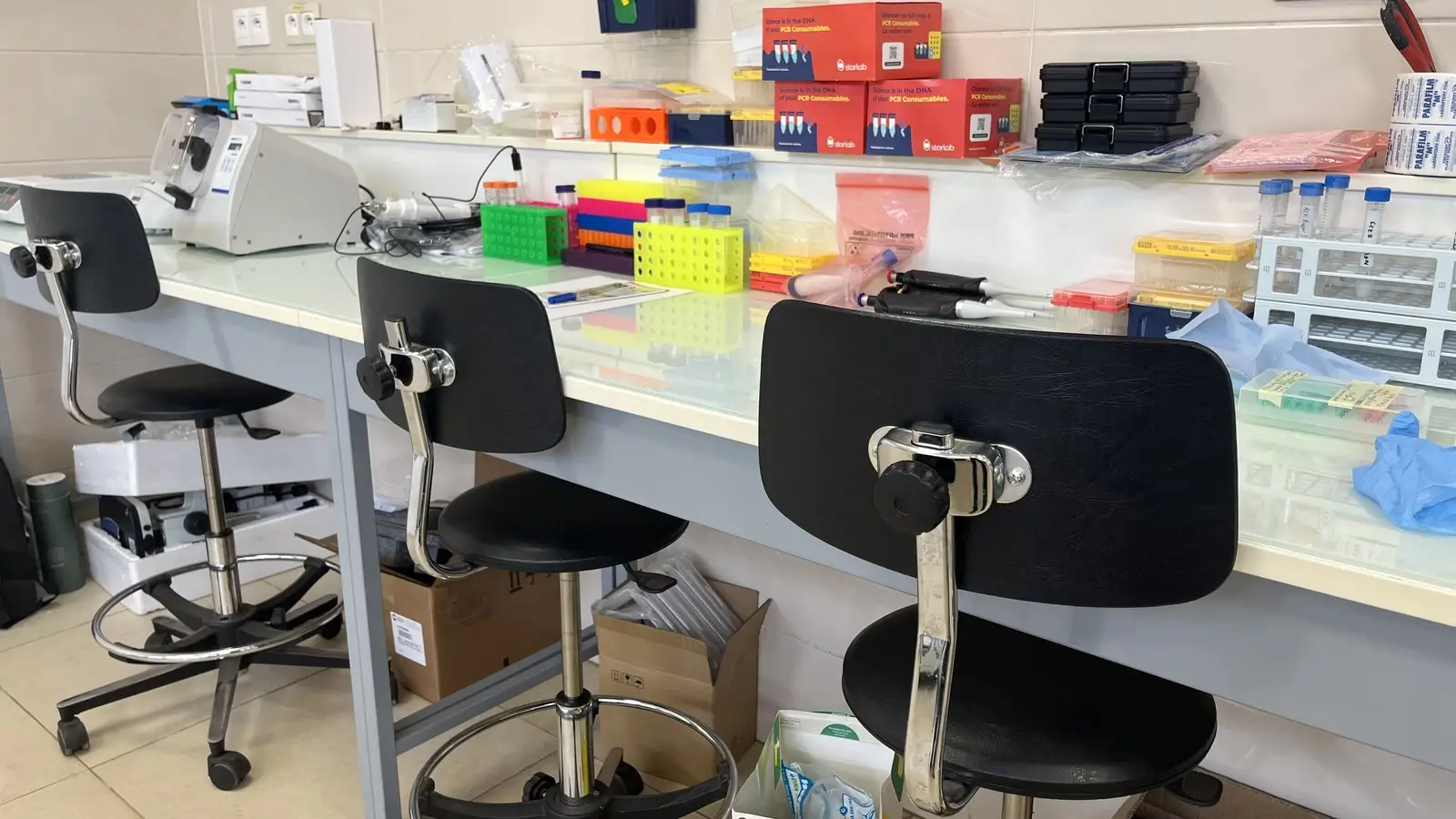
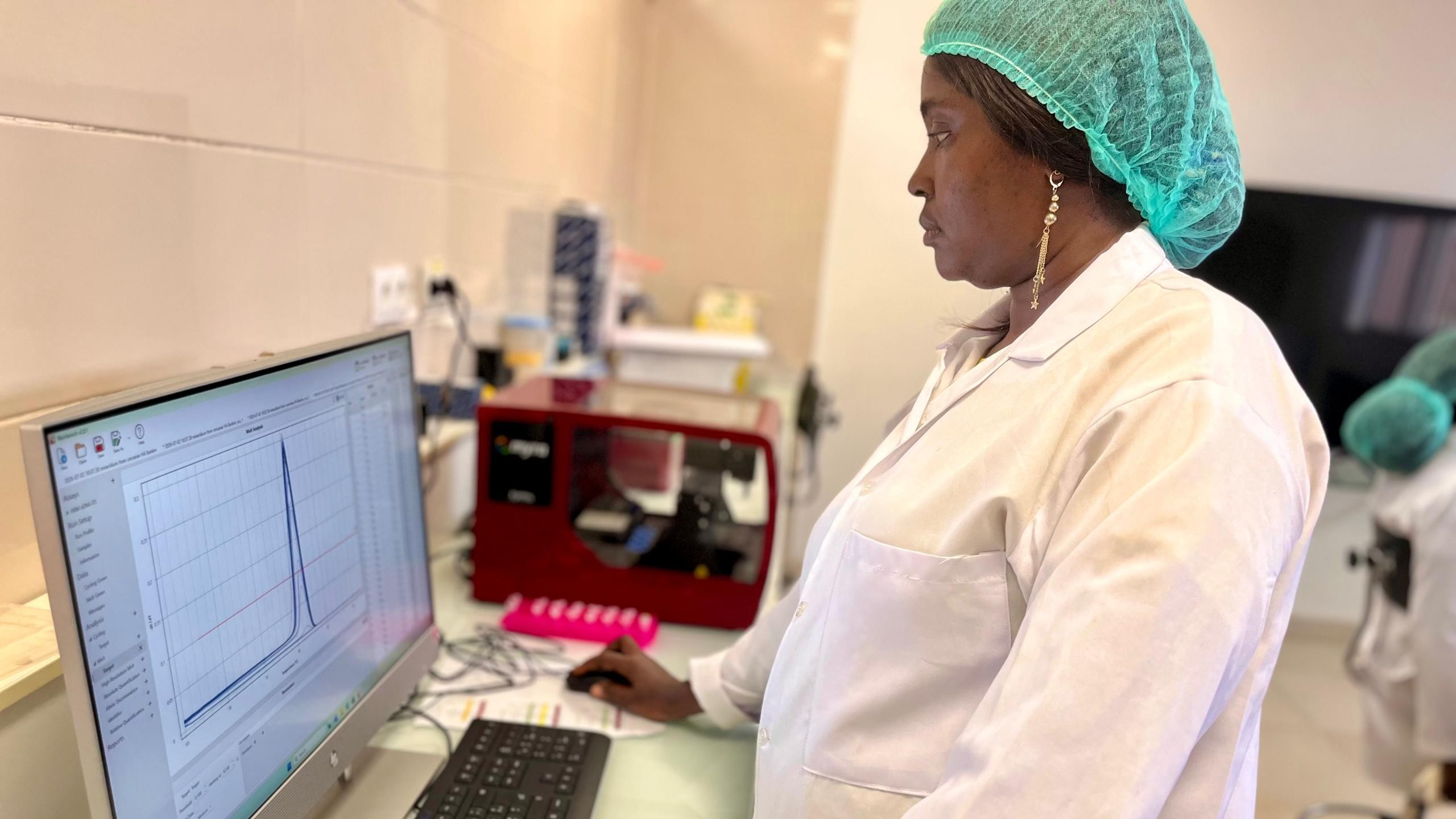
Biochemistry Laboratory
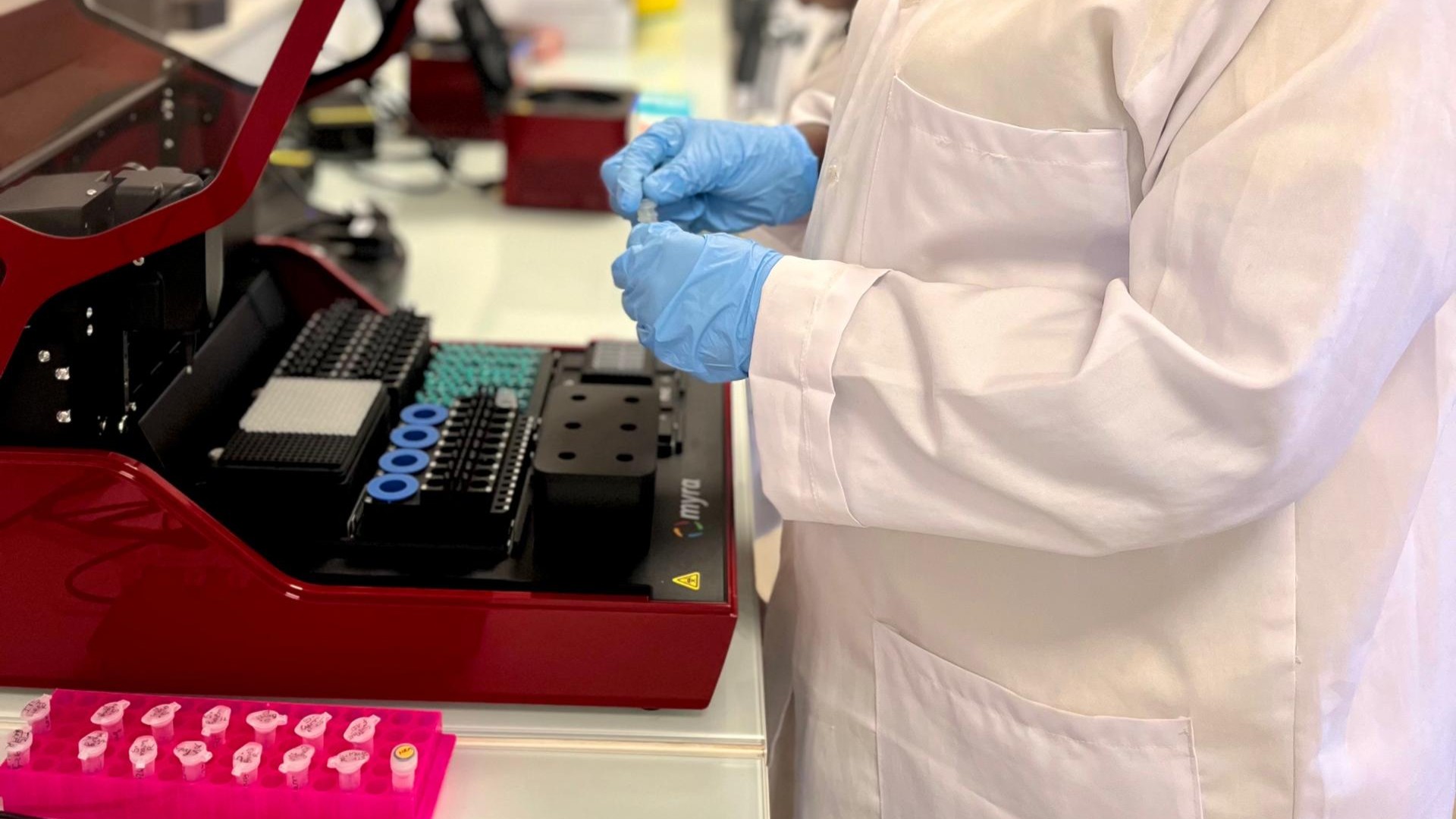
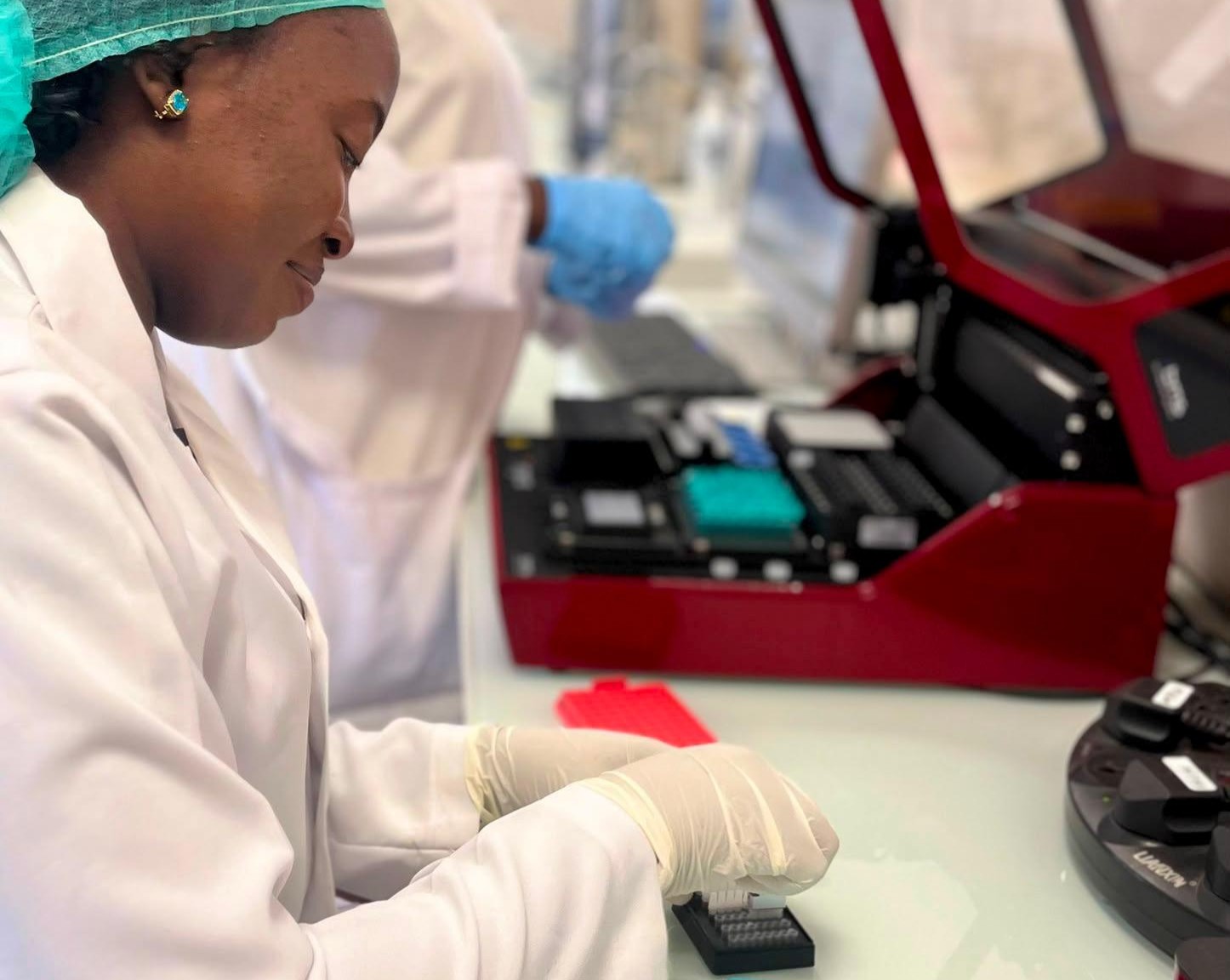
ur biochemistry facility is equipped to carry out high-throughput scientific techniques such as gel electrophoresis, PCR, and mass spectrometry.
Schistosomiasis Prevalence Trend
1985
48% Baseline Survey
2011
32% Mid-term Assessment
2025
18% Current Status
over 40 years
62.5% reduction in prevalenc
Latest News & Events
Stay updated with our recent activities and achievements
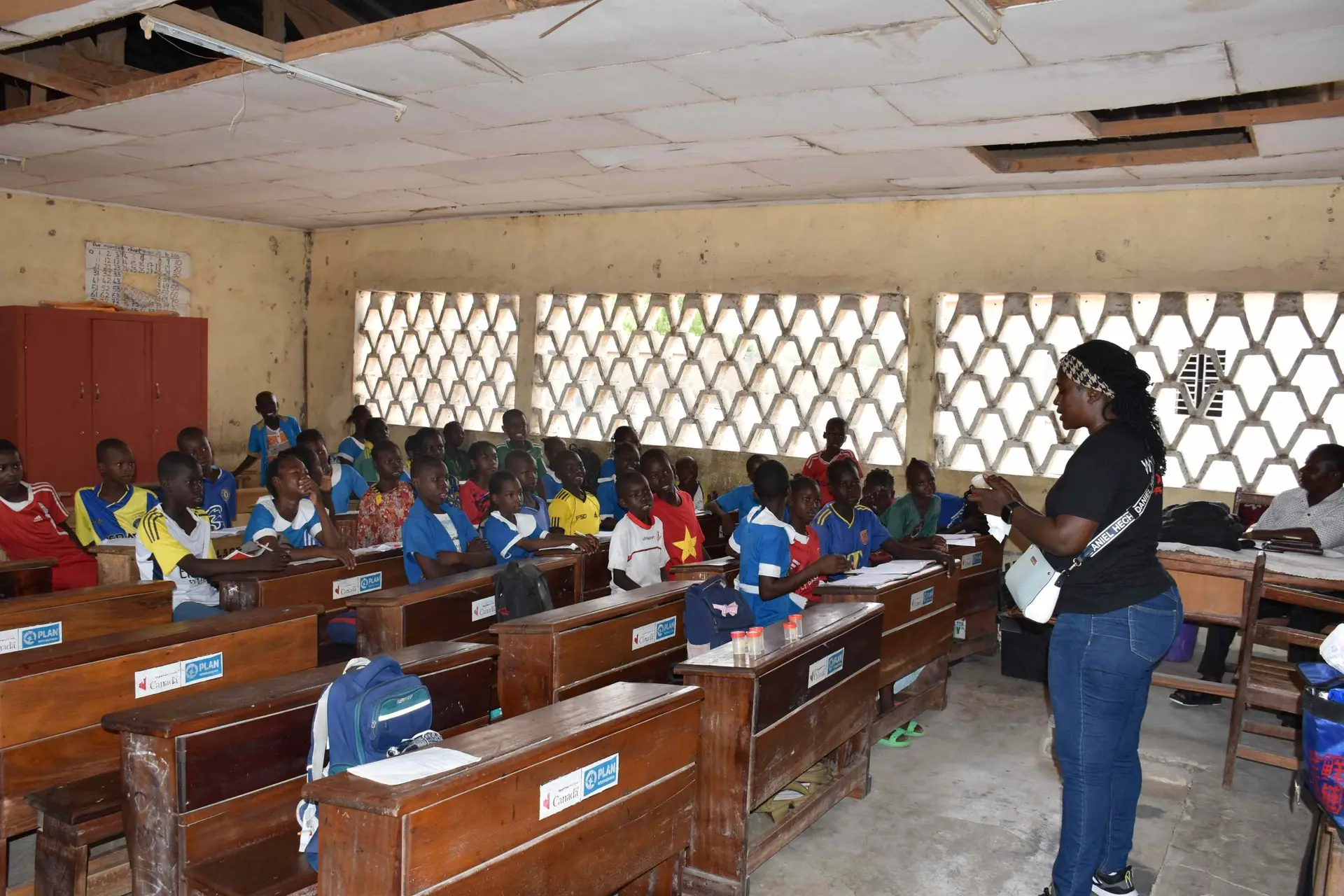
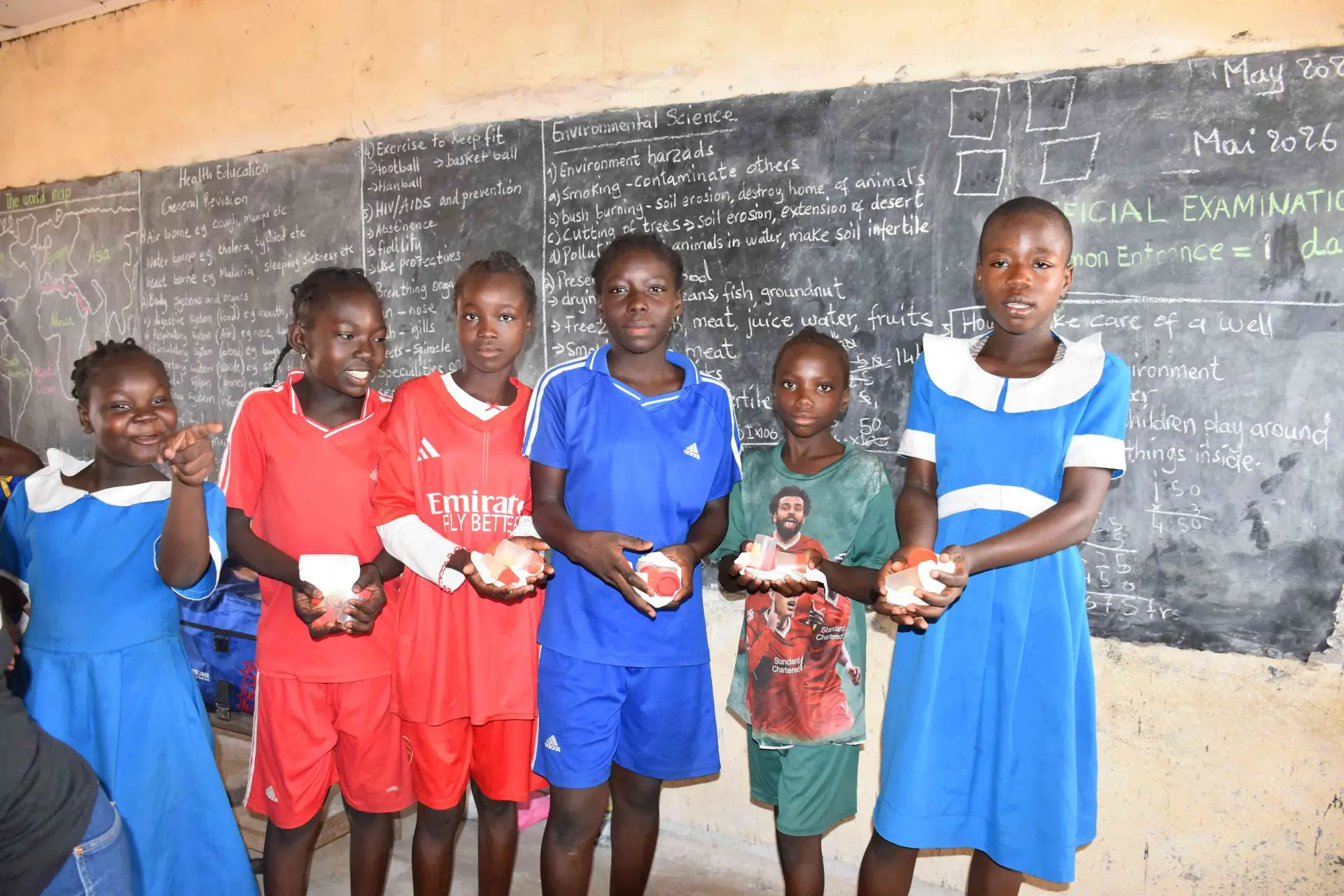
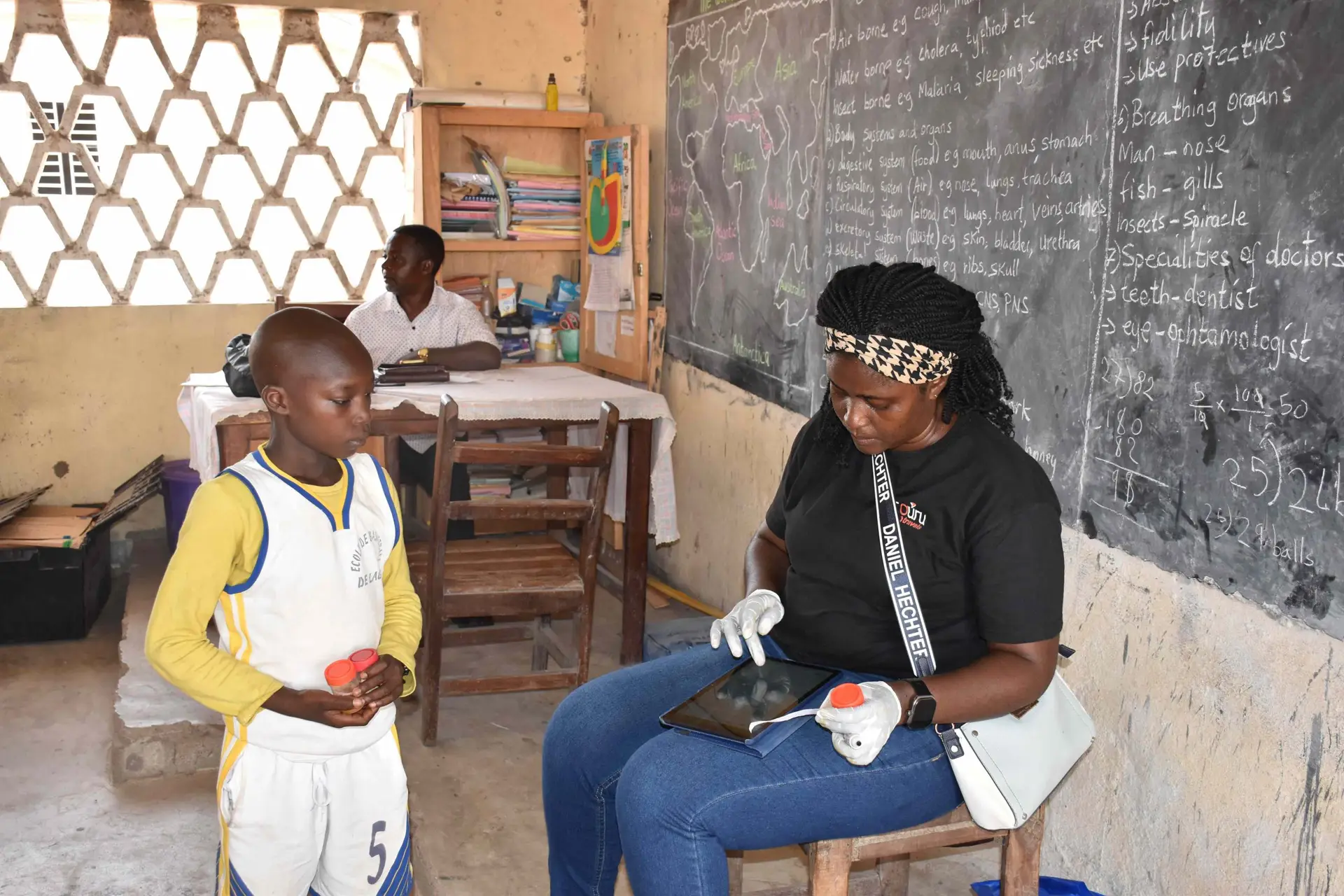
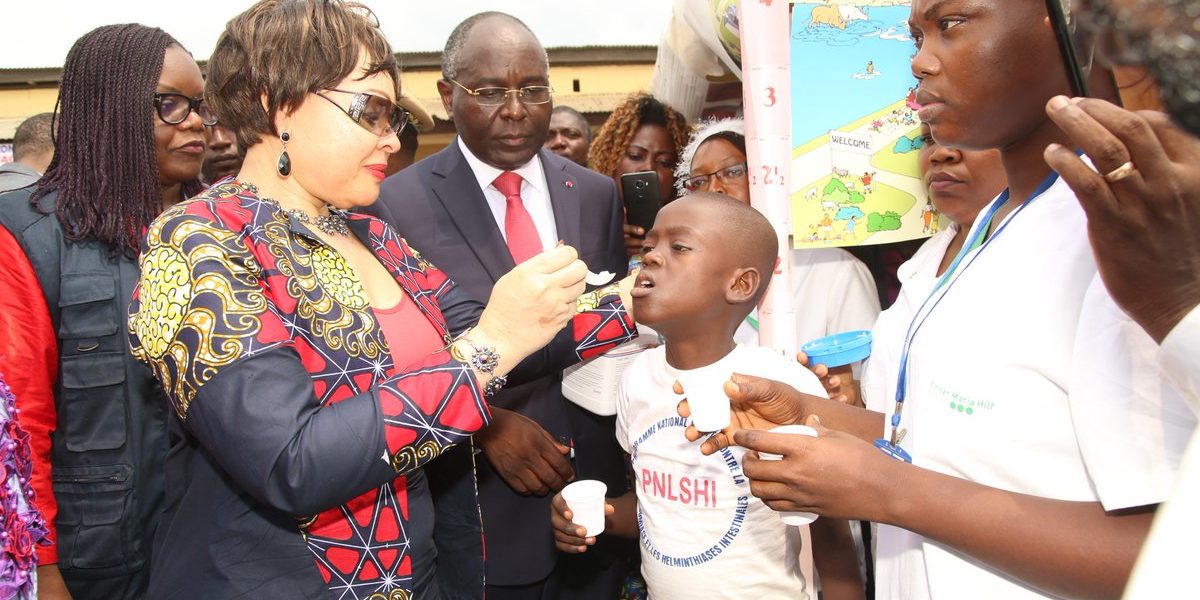
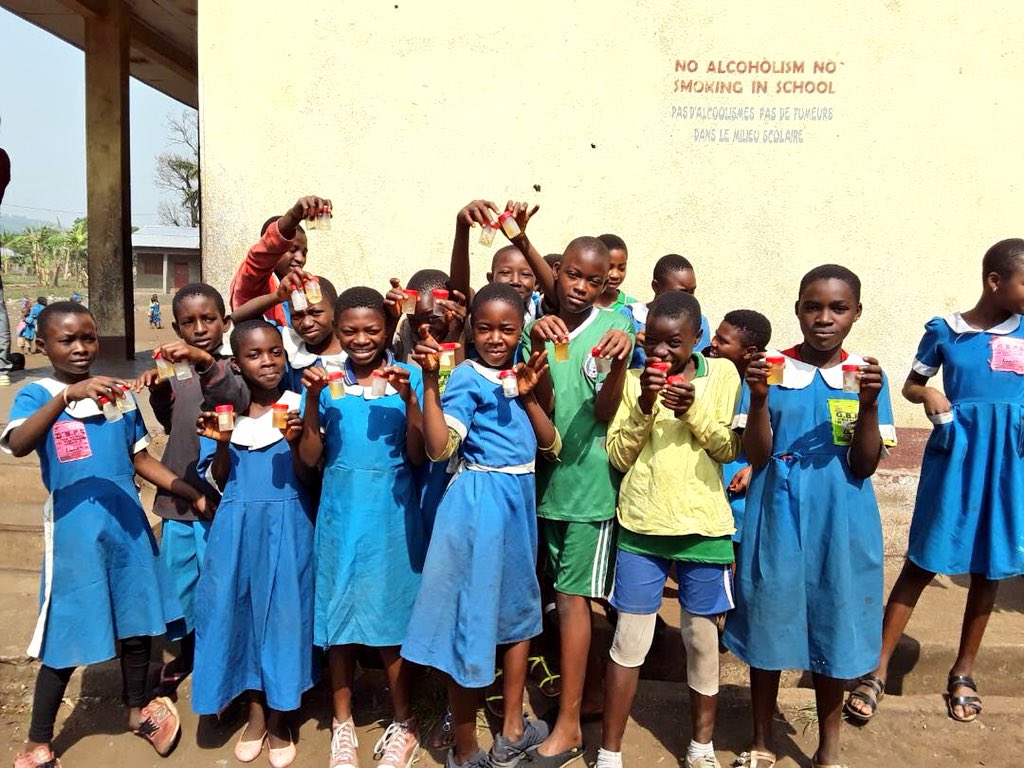
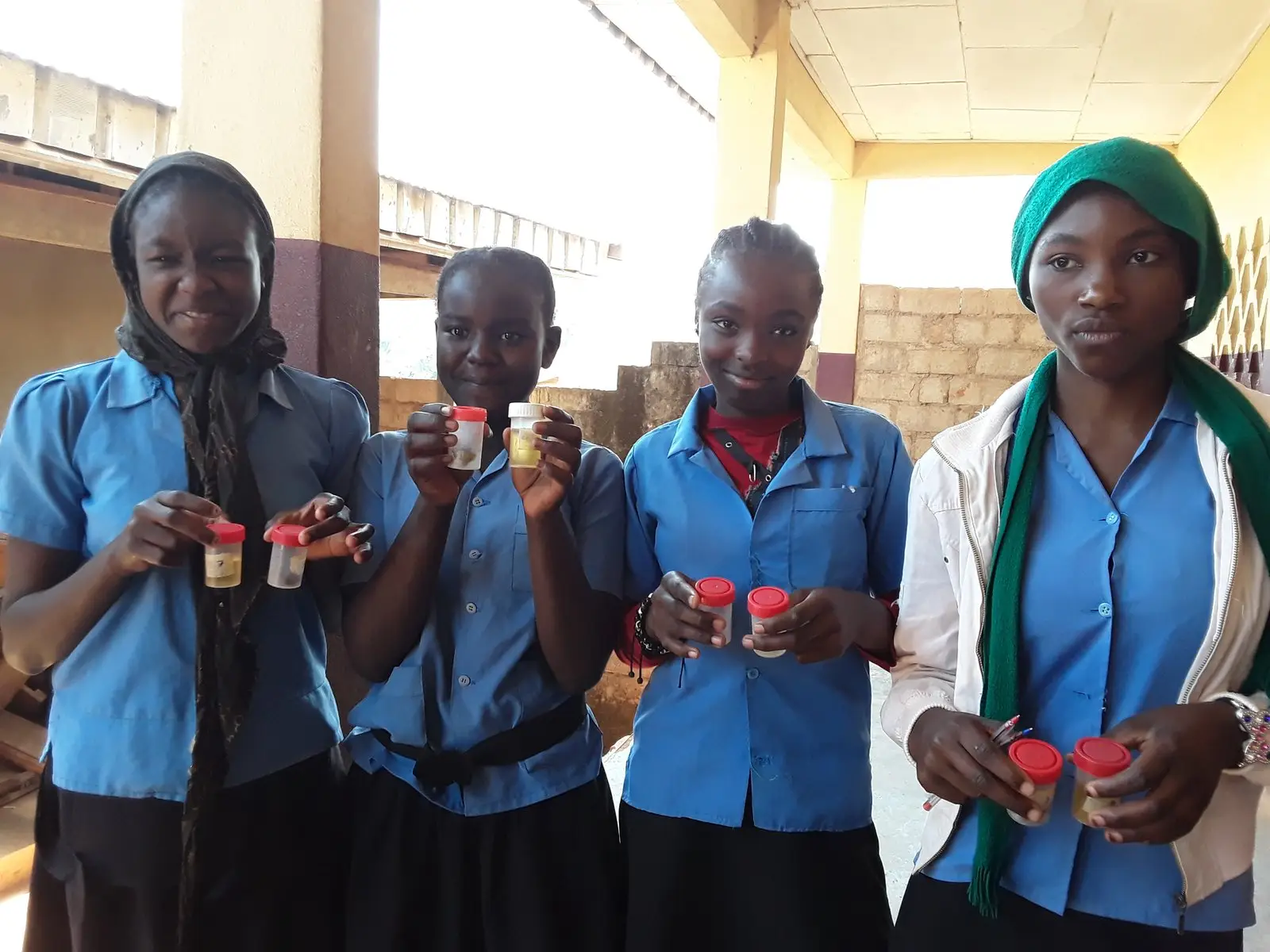
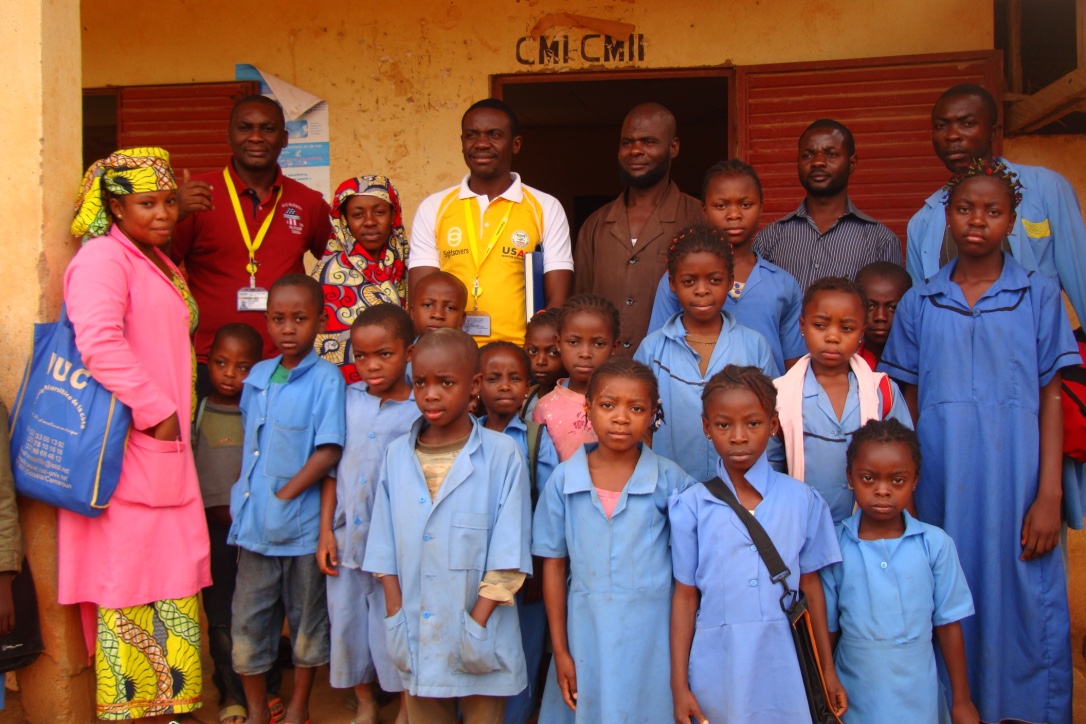
Launch of the 2016 National Deworming Campaign at Government Primary School Mfandena II
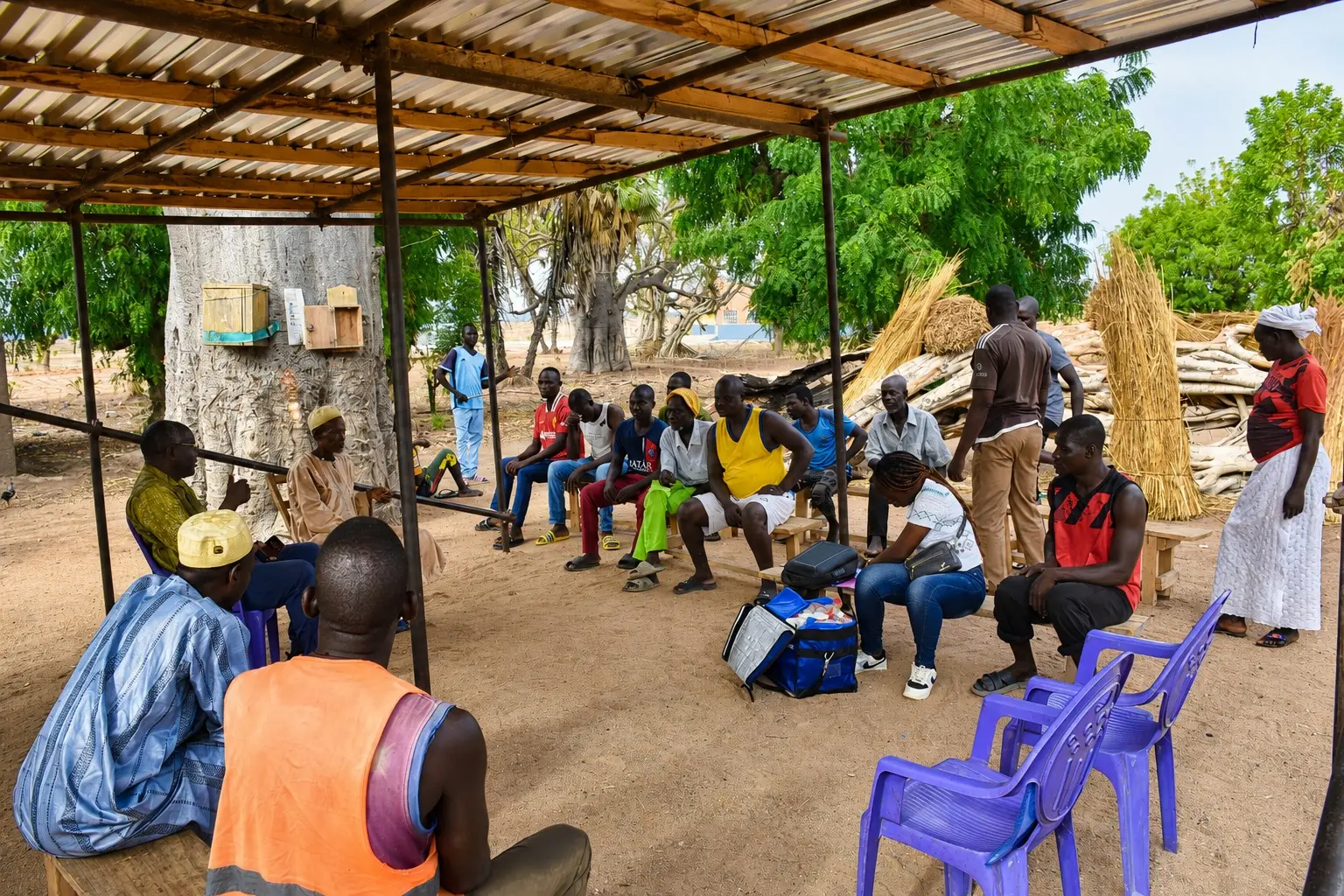
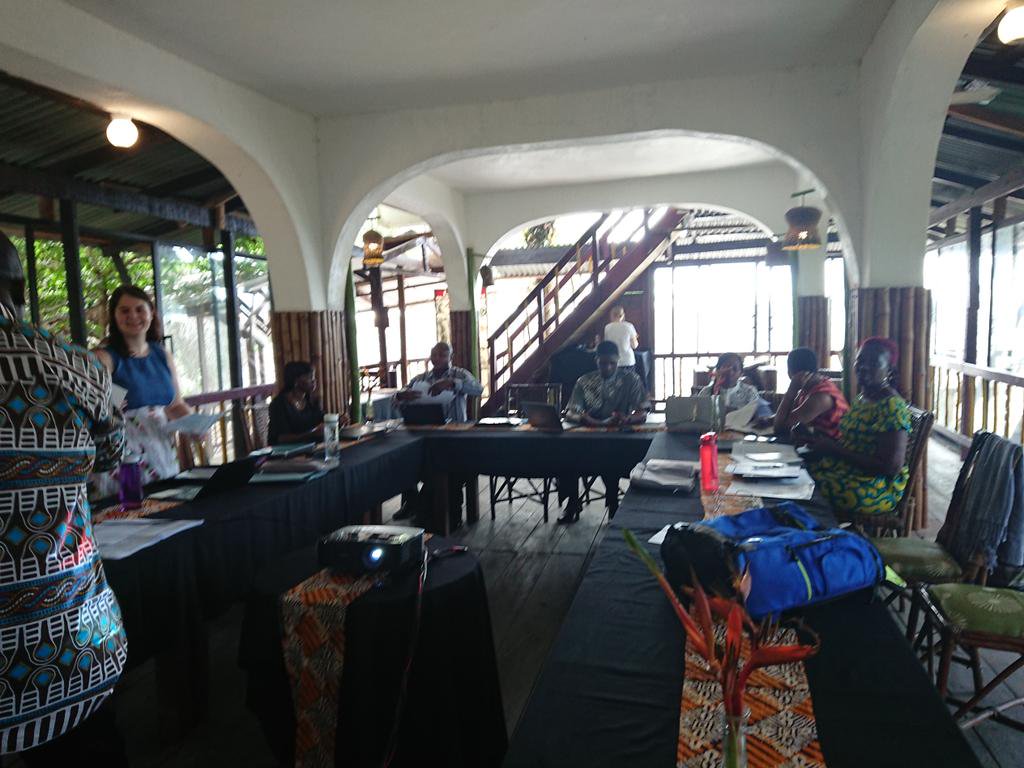
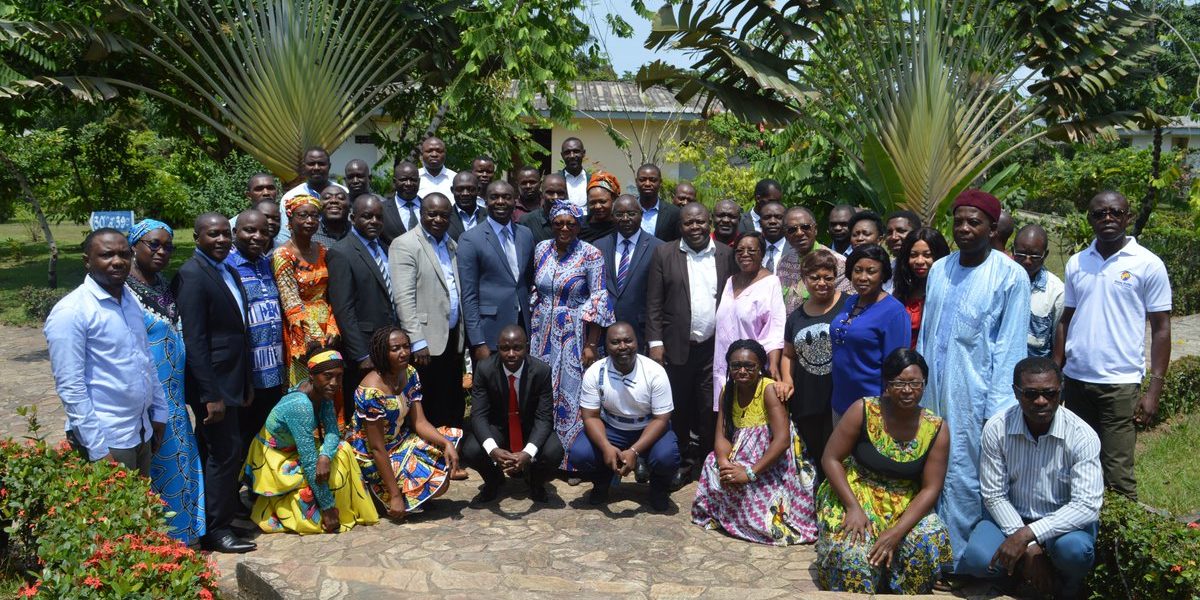
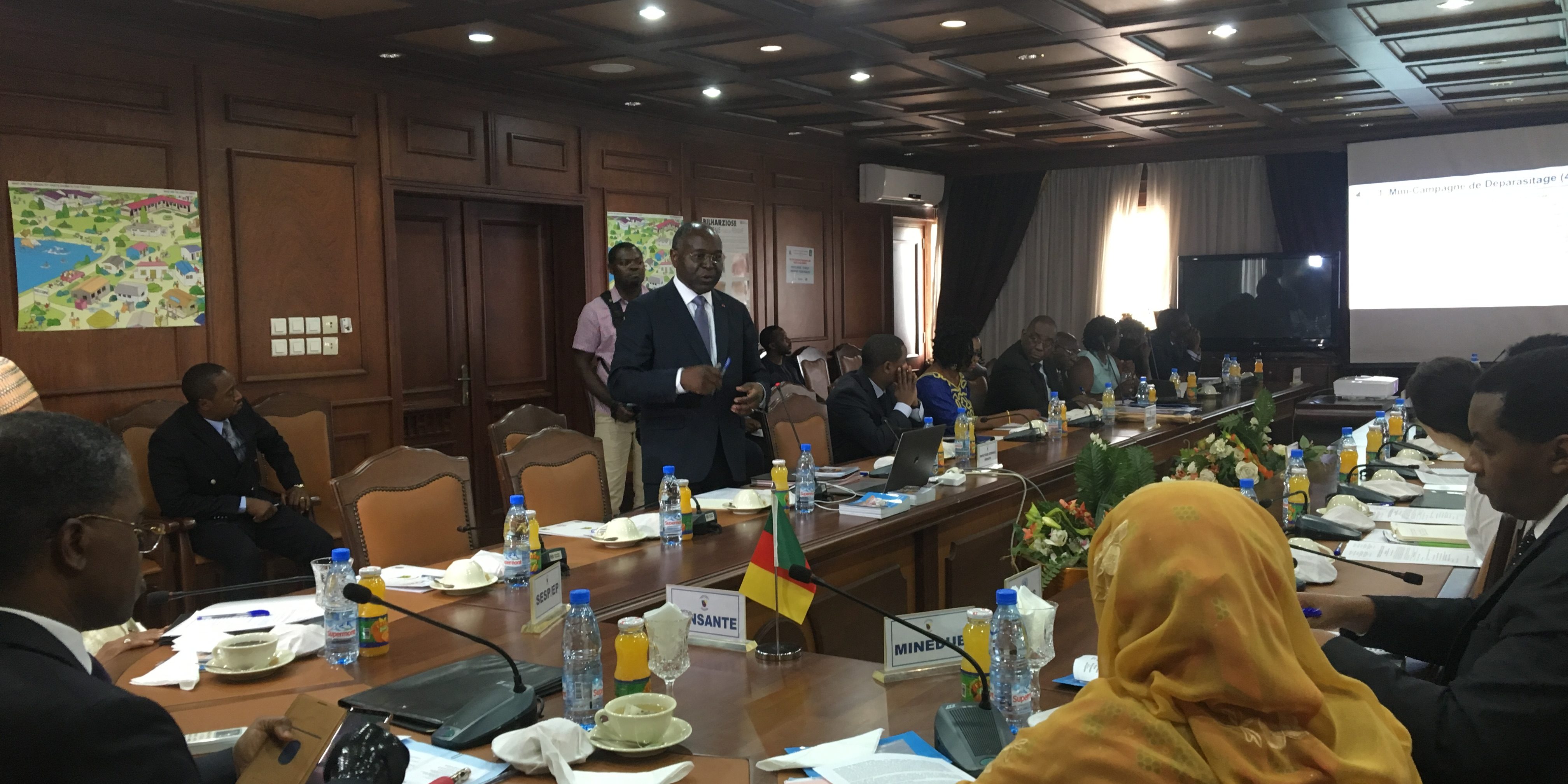
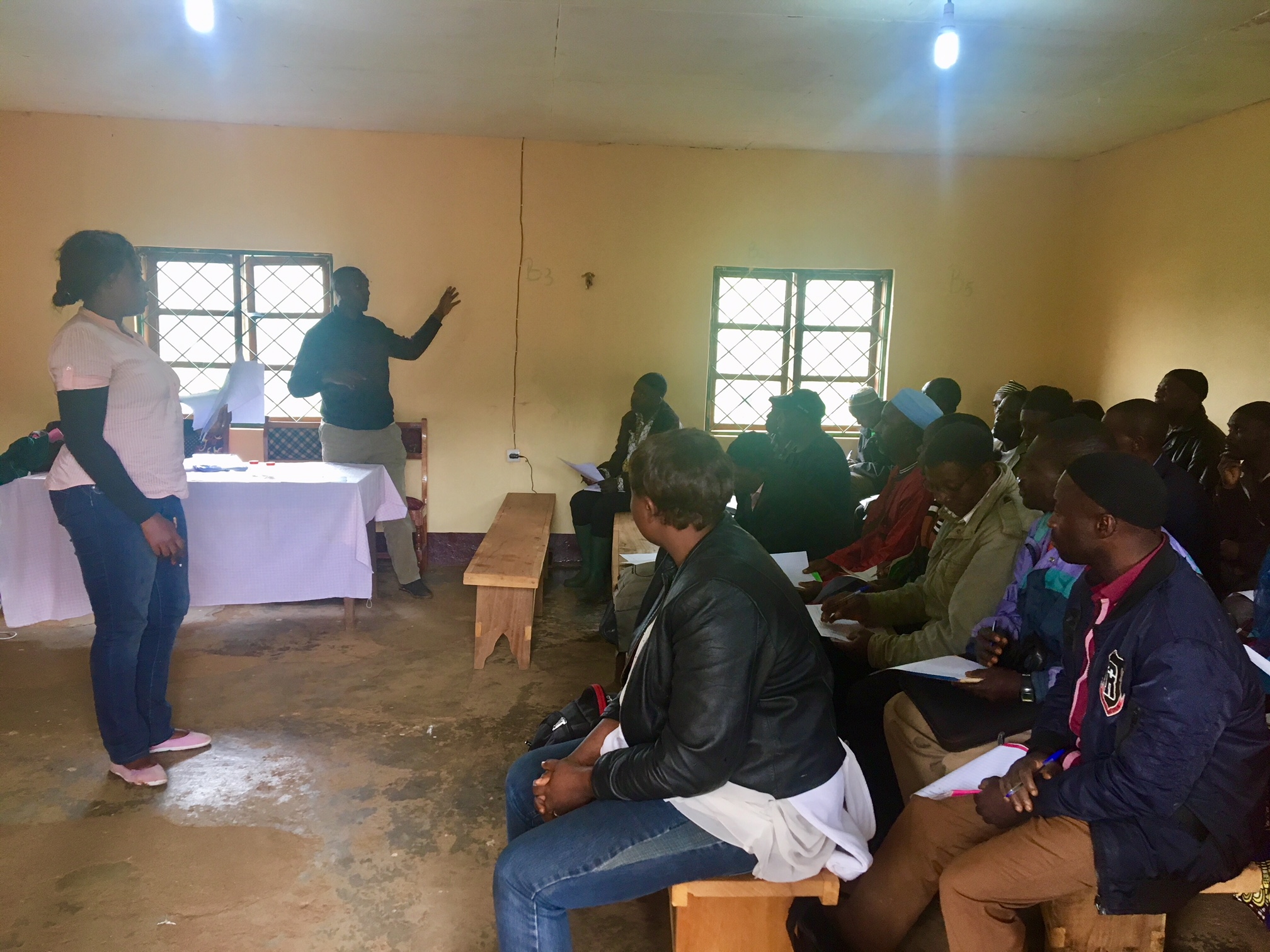
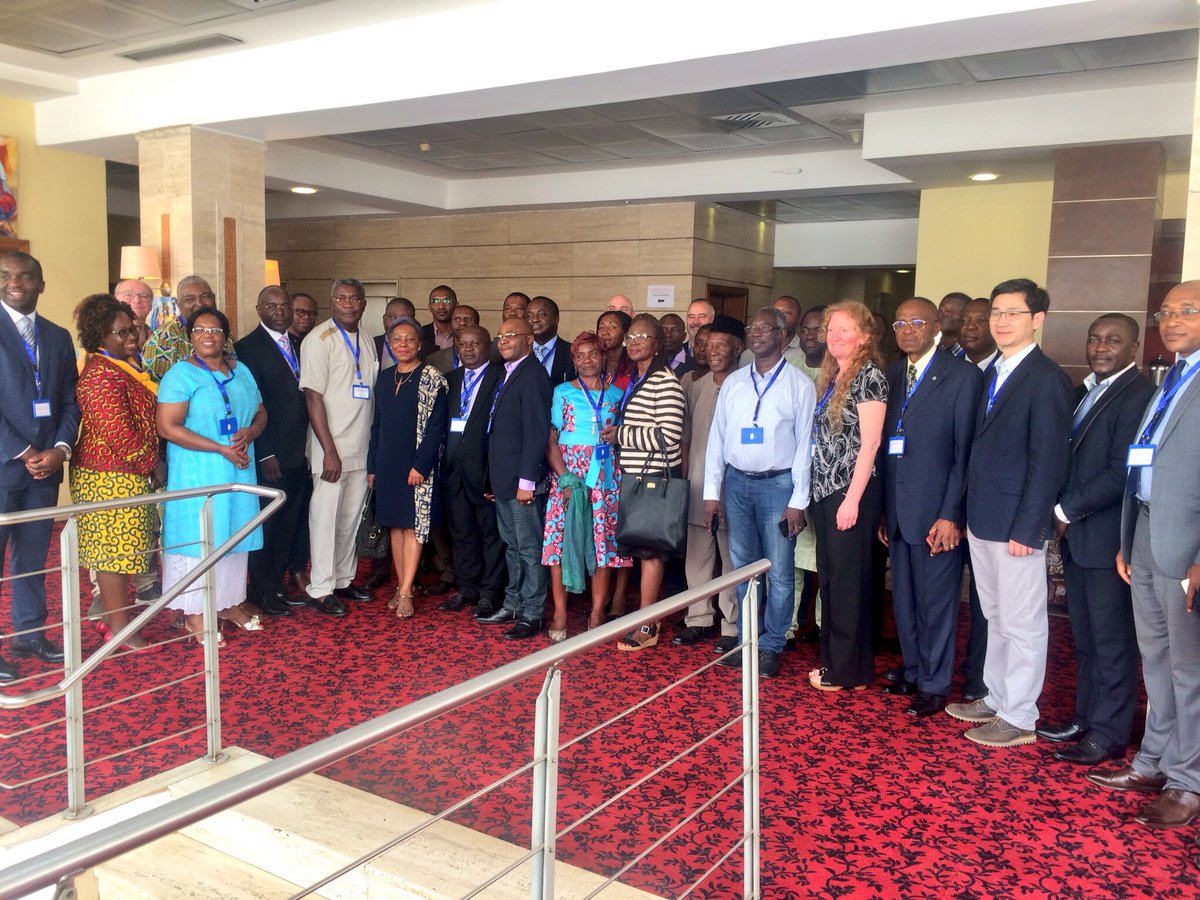
Advocacy meeting for the fight against NTDs in the Centre Region, Cameroon
Why People Trust Us
High Quality Lab
Unmatched Expertise
Precise Result
Qualified Staff
Client Testimonials
Support our actions
Join the Fight Against NTDs
Your donations fund diagnostics, applied research, and deworming campaigns that protect rural and urban communities.
Your support helps us expand research, treatment programs, and community education to reach more people in need across Cameroon. Each contribution strengthens our ability to prevent complications and protect children exposed to parasites.<br><br>
Direct Impact<br>
• Equip mobile units with parasitic diagnostic kits<br>
• Accelerate genomic research on emerging parasites<br>
• Train local teams for continuous surveillance<br>