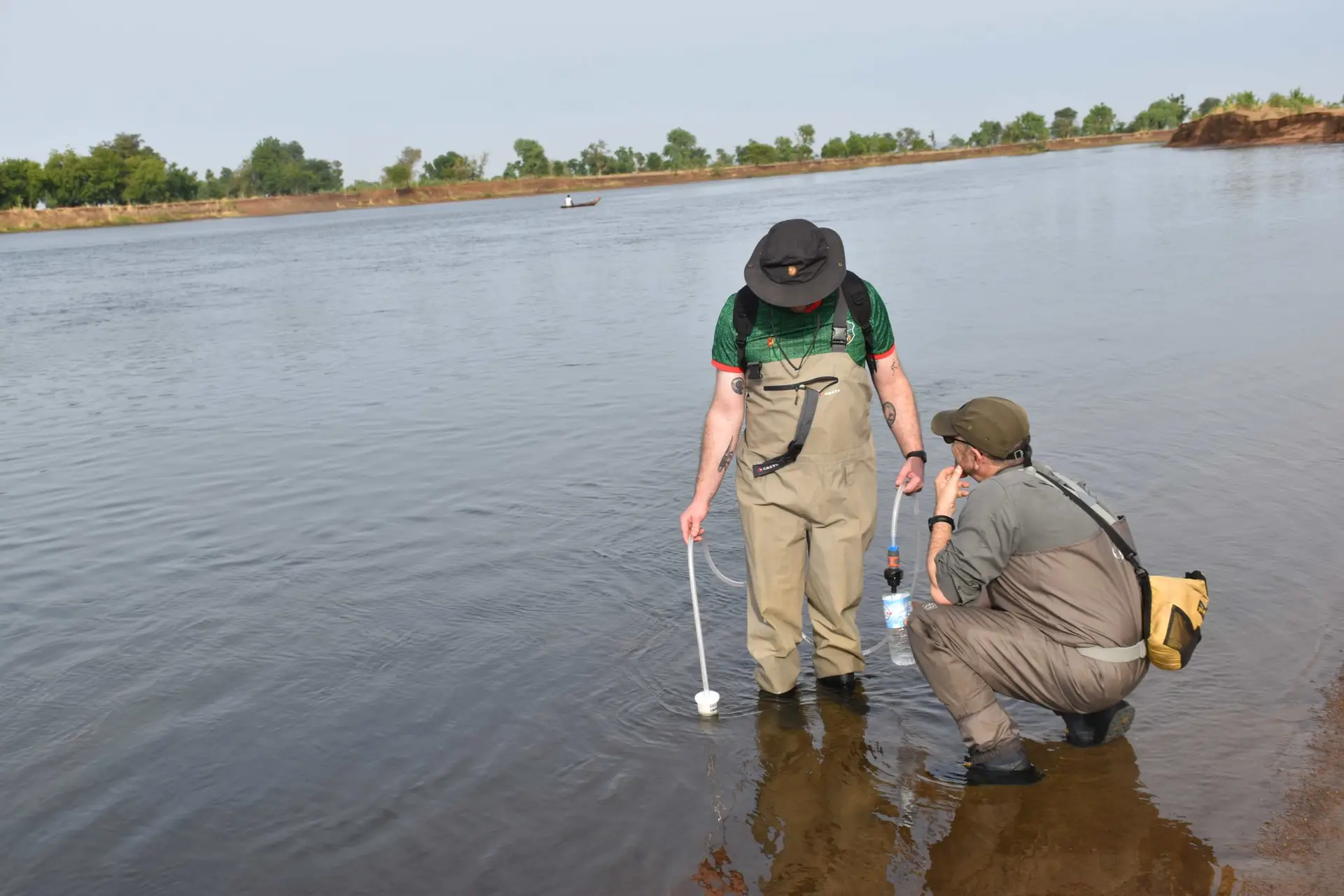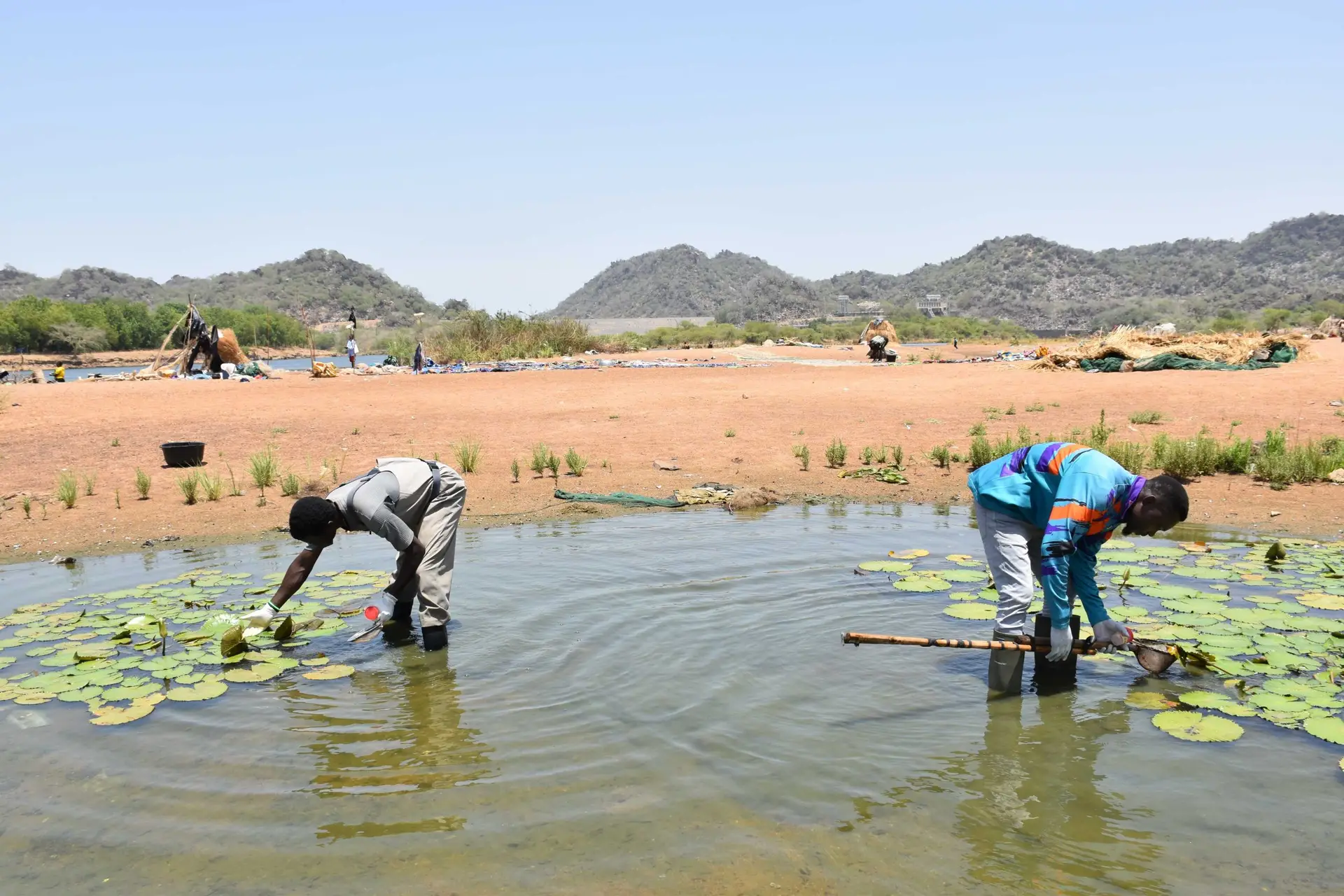
In this remote rural community, daily life is closely tied to nearby rivers and streams. These freshwater sources provide water for bathing, washing, fishing and other essential household activities, but they also expose children to parasites responsible for urogenital schistosomiasis. For many families, avoiding contact with these water bodies is simply not an option.
During the field survey, several urine samples collected from school-aged children showed visible haematuria (blood in urine), one of the most recognizable clinical signs of urogenital schistosomiasis caused by Schistosoma haematobium. Although haematuria is often accepted by communities as a normal part of growing up, it is in fact a warning sign of an infection that can lead to chronic urinary tract damage, anaemia, reduced school performance and long-term health complications if left untreated.
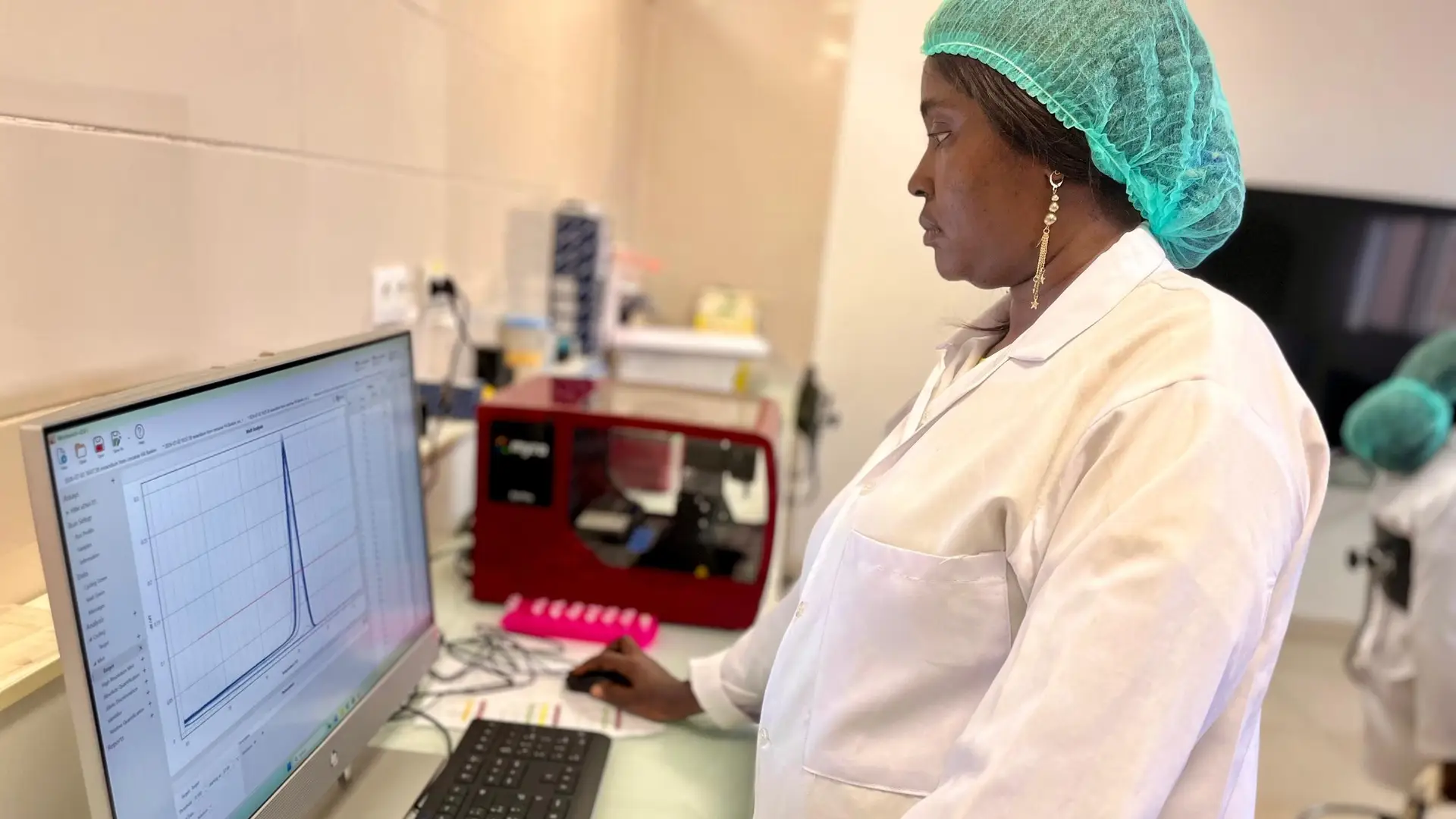
For the research team, each sample represented more than a laboratory specimen, it reflected the daily realities of children living in endemic settings, where environmental conditions, limited access to safe water and sanitation, and repeated exposure to infested water sustain the transmission cycle. Recording these observations in the field is essential for accurately assessing disease burden and identifying communities that require priority interventions.
Beyond documenting infection, these findings reinforce the importance of integrated control strategies that combine preventive chemotherapy, improved access to safe water and sanitation, health education and continuous epidemiological surveillance. Through collaborative field investigations, the Centre for Schistosomiasis and Parasitology (CSP) continues to generate the evidence needed to support national control efforts and improve the health of vulnerable communities across Cameroon.