Parasitology Laboratory
Frontline diagnostic detection of parasitic infections from field samples.

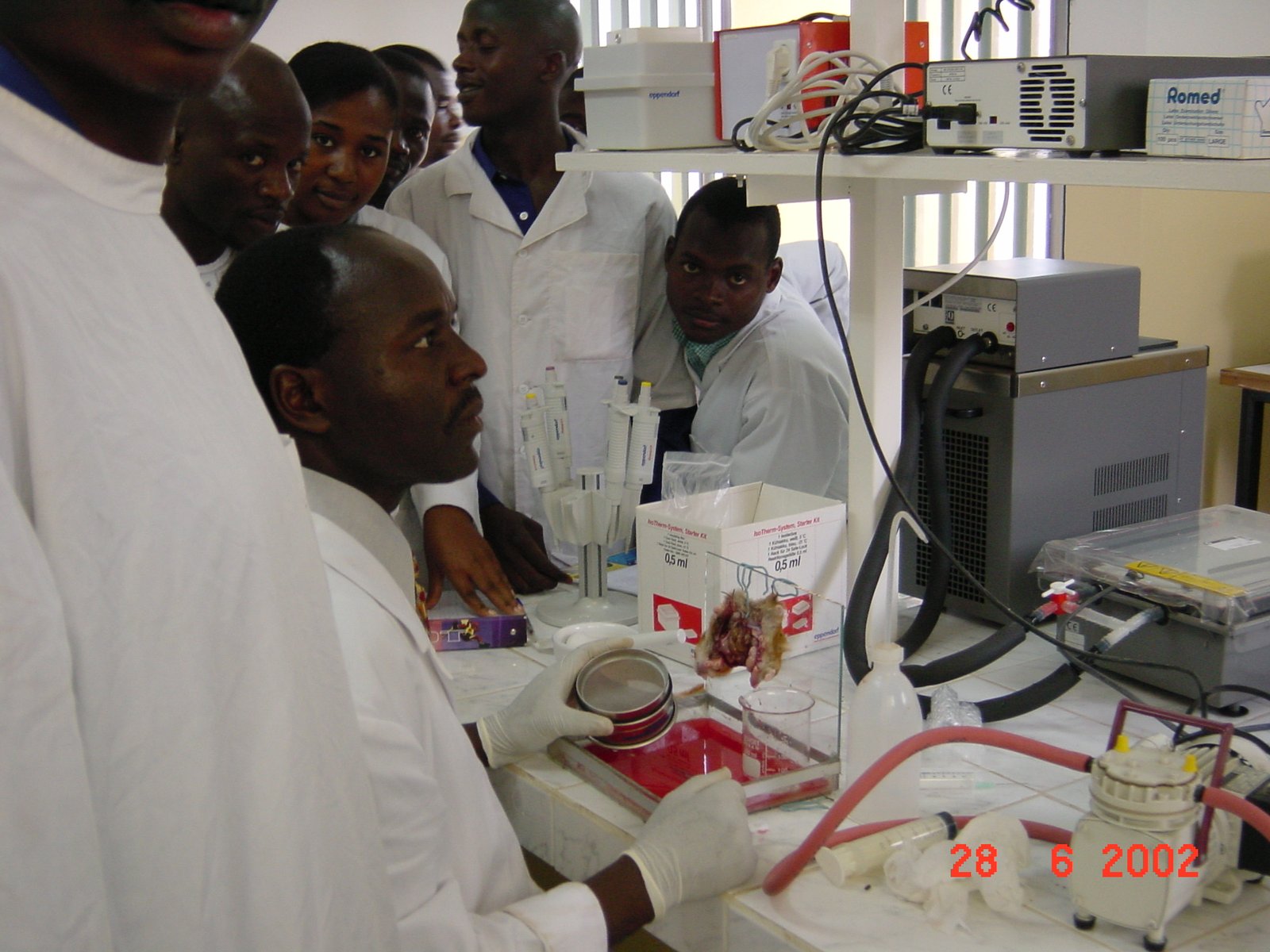
The Parasitology Laboratory is the diagnostic cornerstone of Centre Schisto, providing frontline detection of parasitic infections in both community surveys and clinical follow-up studies. Examinations are conducted on human urine and faecal samples collected from endemic zones, using a combination of the Kato-Katz thick smear technique for helminth egg quantification, urine filtration for Schistosoma haematobium detection, and rapid point-of-care circulating cathodic antigen (CCA) cassette tests for active S. mansoni infections.
The laboratory also recovers live miracidia by hatching Schistosoma eggs from positive samples, isolating and fixing them on FTA cards, the critical link between field diagnosis and downstream molecular genotyping. Veterinary stool examination of cattle and other domestic animals investigates the animal reservoir under a One Health approach, while school- and community-based field surveys combine parasitological diagnosis with sociodemographic data collection. Trained technicians perform duplicate readings for quality control, and the lab participates in WHO-coordinated external quality assurance schemes to maintain diagnostic accuracy at the highest international standard.
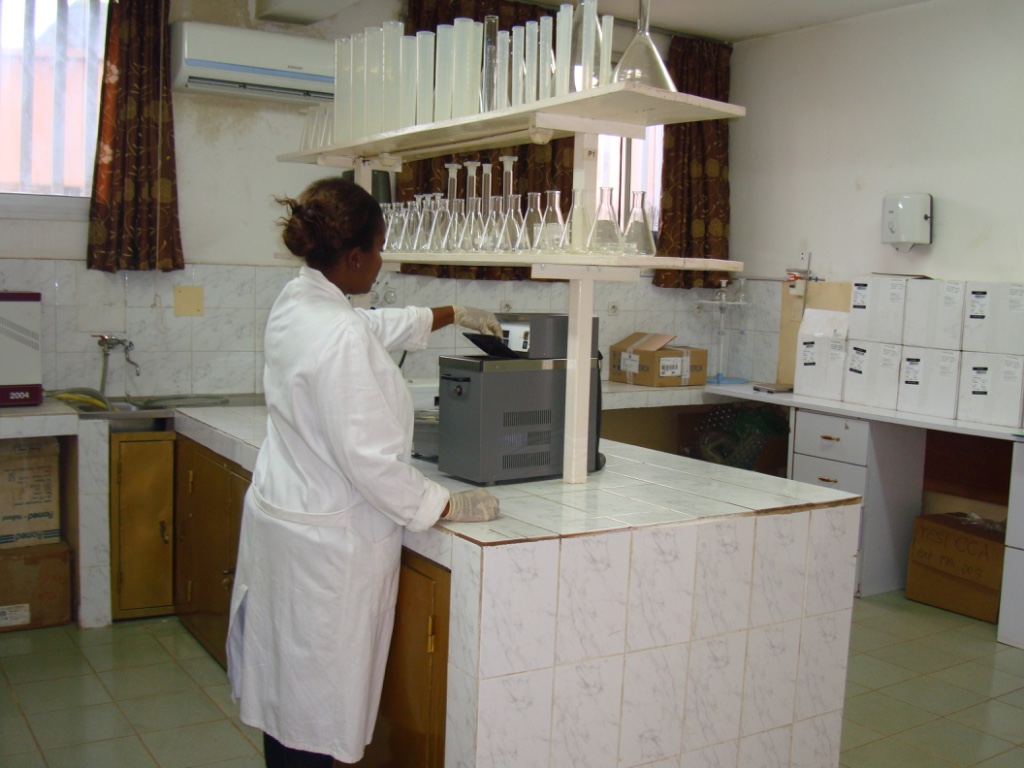
The Biochemical Laboratory supports parasitological and molecular investigations with biochemical analyses that shed light on host physiology, drug response, and infection-related biomarkers. Blood and serum samples collected from endemic communities and treatment-efficacy studies are analysed to assess physiological parameters associated with schistosomiasis infection, while dedicated biomarker assays complement parasitological cure-rate assessments with host-level biological indicators.
The laboratory also ensures the standardised preparation, aliquoting, and storage of biological samples (serum, plasma) destined for downstream biochemical and molecular analyses. Equipped with spectrophotometers, centrifuges, and HPLC instrumentation, it enables reliable protein quantification and the profiling of infection- and treatment-related biomarkers, bridging field epidemiology with laboratory-based physiological insight at Centre Schisto.
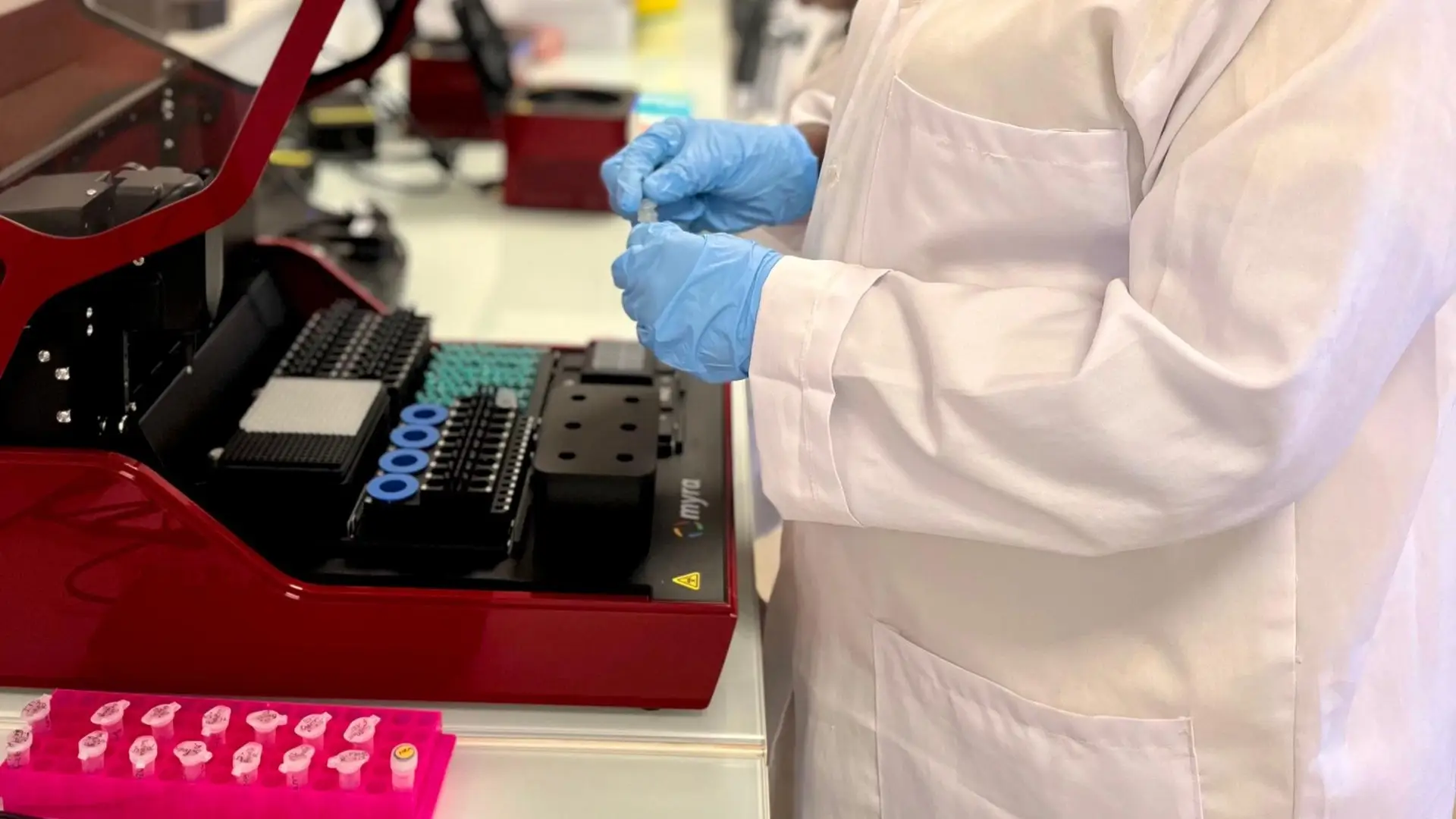
The Molecular Laboratory is the genetic engine room of Centre Schisto, where field samples are transformed into precise molecular data, revealing species identity, hybrid status, and genetic diversity invisible to microscopy alone. Miracidia are genotyped by real-time PCR coupled with High Resolution Melting (HRM) analysis, performed on the MYRA automated platform and the Mic thermocycler, enabling rapid and reliable discrimination between parasite genotypes. The combined use of nuclear (ITS2) and mitochondrial (cox1, tRNA-Lys) markers detects discordant genetic profiles, the molecular signature of hybridisation between Schistosoma species, including S. haematobium × S. bovis.
Genomic DNA is extracted from miracidia fixed on FTA cards in the field, a preservation method allowing genetic material to remain stable for molecular analysis long after collection. Selected samples are shipped abroad for full genome sequencing through SHIS-CAM's international research partnerships, deepening our understanding of hybrid genetic architecture and adaptive potential. The laboratory also performs molecular identification and genetic diversity analysis of Bulinus and other intermediate host snails, complementing morphological taxonomy with DNA-based confirmation of species and population structure.
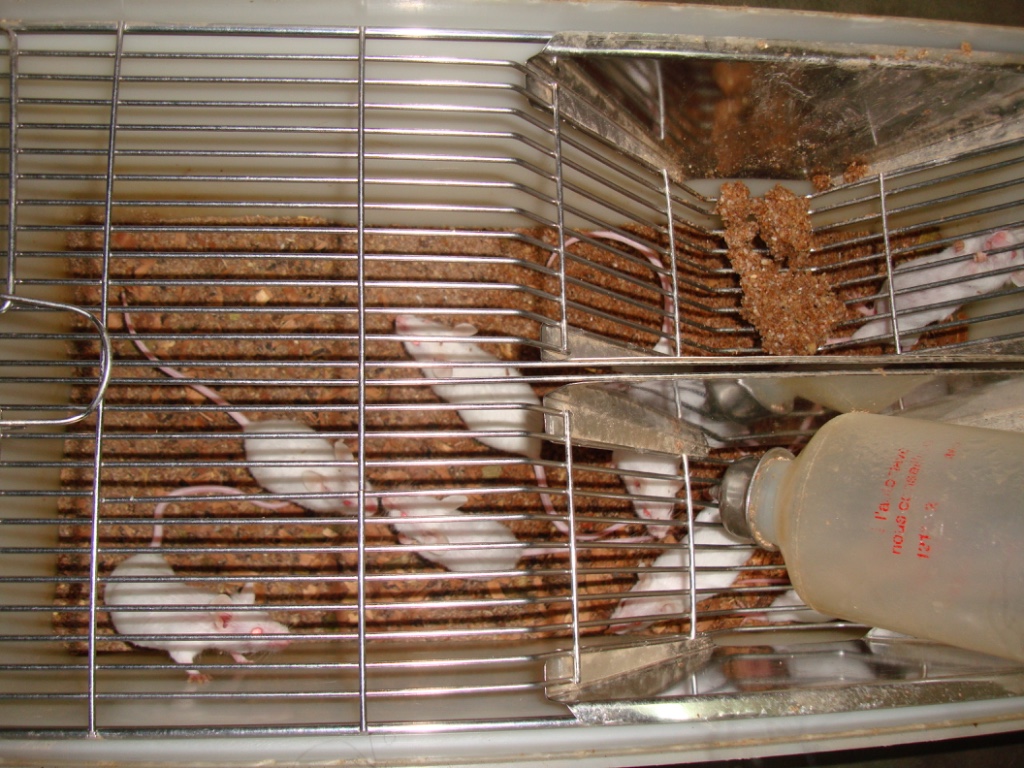
The Bioterium is one of the most critical facilities at Centre Schisto, providing a dedicated, controlled environment for the maintenance of experimental animal models used across multiple research programs. The facility houses Swiss OF1 mice and Wistar rats under strictly regulated conditions of temperature, humidity, light-dark cycle, and access to sterilised feed and water, in full compliance with international guidelines for the ethical care and use of laboratory animals.
Animals are used primarily for the experimental maintenance of Schistosoma mansoni and S. haematobium life cycles, providing a continuous supply of cercariae for infection experiments, drug efficacy trials, and vaccine studies. Murine schistosomiasis models allow researchers to evaluate worm burden reduction, hepatic egg granuloma pathology, and immunological responses in the context of drug treatment and candidate vaccine testing. The Bioterium also supports nutritional and toxicological studies, including the in vivo safety assessment of plant-derived anthelminthic candidates identified through the Centre's drug discovery pipeline.
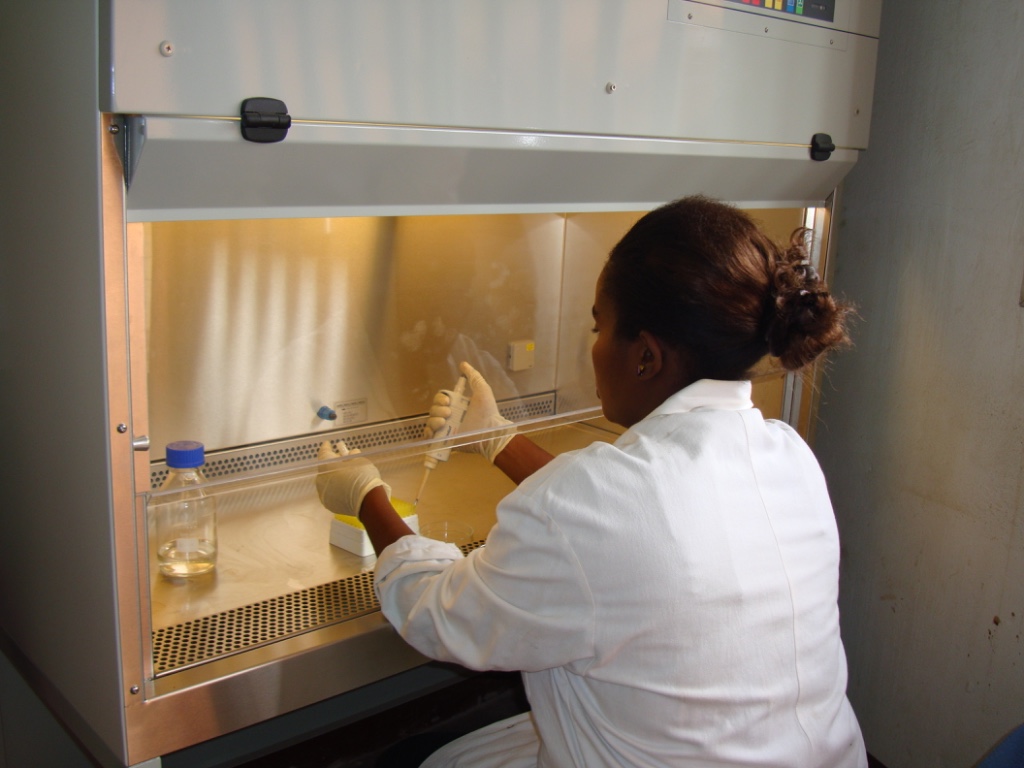
The Culture Laboratory is dedicated to the isolation, culture, and characterisation of microorganisms, supporting the Centre's research beyond helminth parasitology, from bacterial identification to co-infection studies relevant to schistosomiasis-endemic populations. Bacterial and other microbial agents are isolated and cultured from clinical and environmental samples using standard microbiological media and techniques, while antimicrobial susceptibility testing assesses the antibiotic profiles of isolated microorganisms, supporting both clinical decision-making and the surveillance of antimicrobial resistance.
The laboratory also investigates bacterial and other microbial co-infections in populations affected by schistosomiasis and intestinal helminthiasis, contributing to a broader understanding of the infection burden in endemic zones. Underpinning all of these activities is the rigorous preparation and quality control of culture media used across the Centre's microbiological and diagnostic work, ensuring reliable and reproducible results.
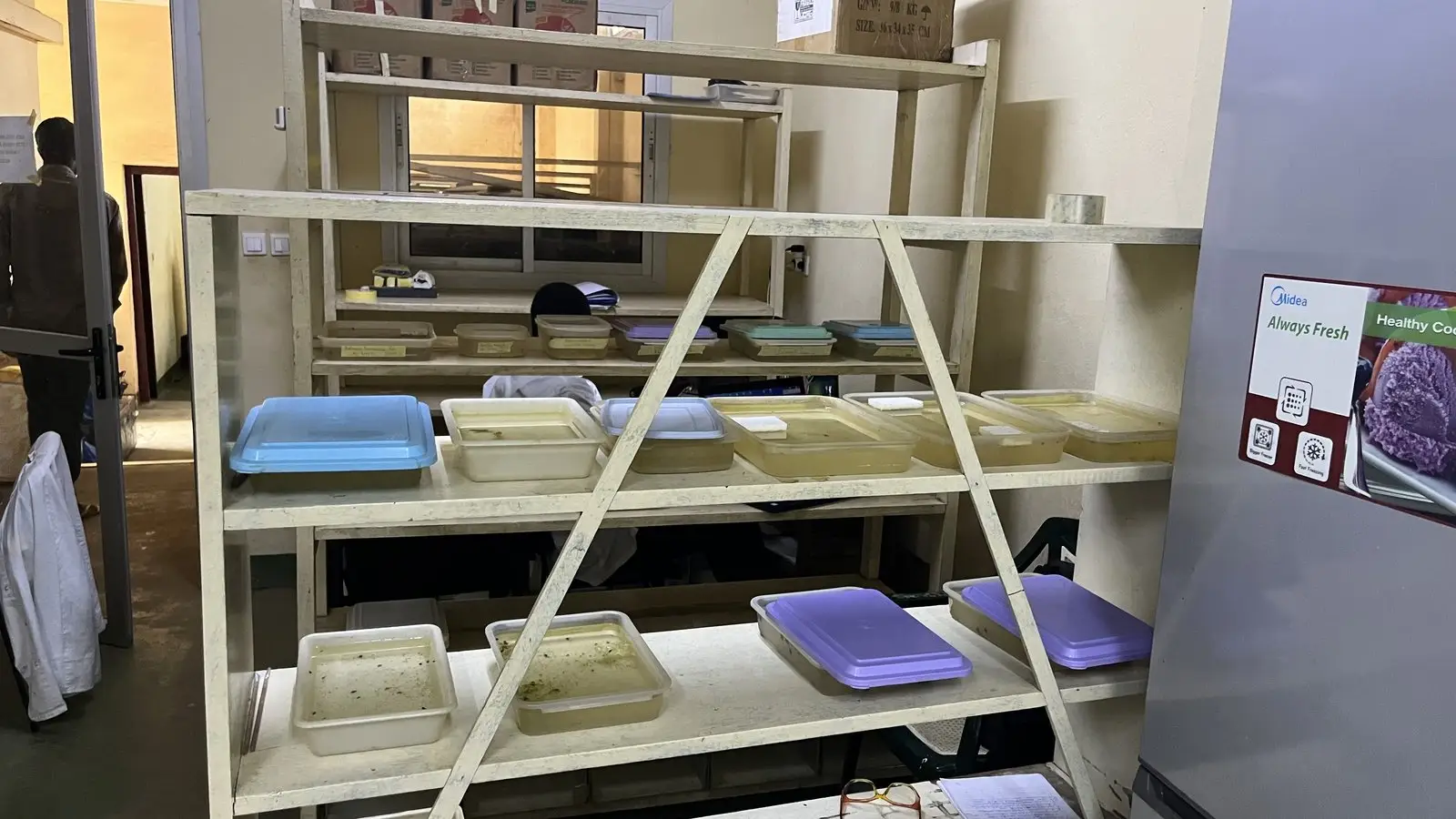
The Molluscarium is the living heart of the schistosome transmission cycle, a dedicated facility where freshwater snail intermediate hosts are collected, identified, and maintained under controlled conditions to sustain research on parasite-host interactions. Malacological surveys provide field collection and taxonomic identification of intermediate hosts (Bulinus truncatus, B. forskalii, Biomphalaria spp.) from rivers, dams, and irrigation points, mapping the ecological distribution of transmission sites, while cercarial shedding tests expose collected snails to light to induce cercarial emission, confirming natural infection and identifying the schistosome species transmitted at a given water contact site.
Laboratory breeding and maintenance of snail colonies under controlled conditions ensures a continuous supply of intermediate hosts for experimental infection and life-cycle studies. Controlled infection of snails with Schistosoma miracidia allows researchers to study infection dynamics, compatibility between parasite and snail genotypes, and cercarial production under standardised conditions. The facility also sustains laboratory propagation of the full Schistosoma life cycle, from miracidia to cercariae, supporting both diagnostic reference material and experimental research needs.

The Conference Room is a dedicated space for scientific exchange, training, and collaborative planning, where field data, laboratory findings, and research strategy come together. It hosts regular scientific seminars and journal club sessions, with presentations and discussions of ongoing research findings, published literature, and methodological updates among the Centre's research teams, as well as project coordination meetings, planning and progress-review sessions for ongoing projects such as SHIS-CAM, bringing together researchers, students, and partner institutions.
The facility is also central to training and capacity building, offering hands-on and theoretical sessions for students, technicians, and visiting researchers on the parasitological and molecular techniques used at the Centre. It further serves as the venue for partner and stakeholder engagement, hosting visits and discussions with national and international partners, funders, and health authorities involved in schistosomiasis research and control, reinforcing CSP's role as a hub for research training and scientific exchange.