Centre Schistosomiasis and Parasitology
Lead institution for the project, responsible for scientific coordination and field follow up in Cameroon.
Cameroon
Human schistosomes can abruptly change their genetic make up by hybridising with schistosomes carried by livestock. These new forms may raise the risk of reinfection and weaken control strategies that target people alone.
SHIS-CAM is an eight year programme running from 2023 to 2031, led by the Centre for Schistosomiasis and Parasitology and supported by a Wellcome Discovery Award. Working with partners in France and the United Kingdom, it maps the disease in people and in livestock, follows schoolchildren receiving twice yearly treatment over five years, and builds the evidence needed to accelerate elimination in Central Africa.
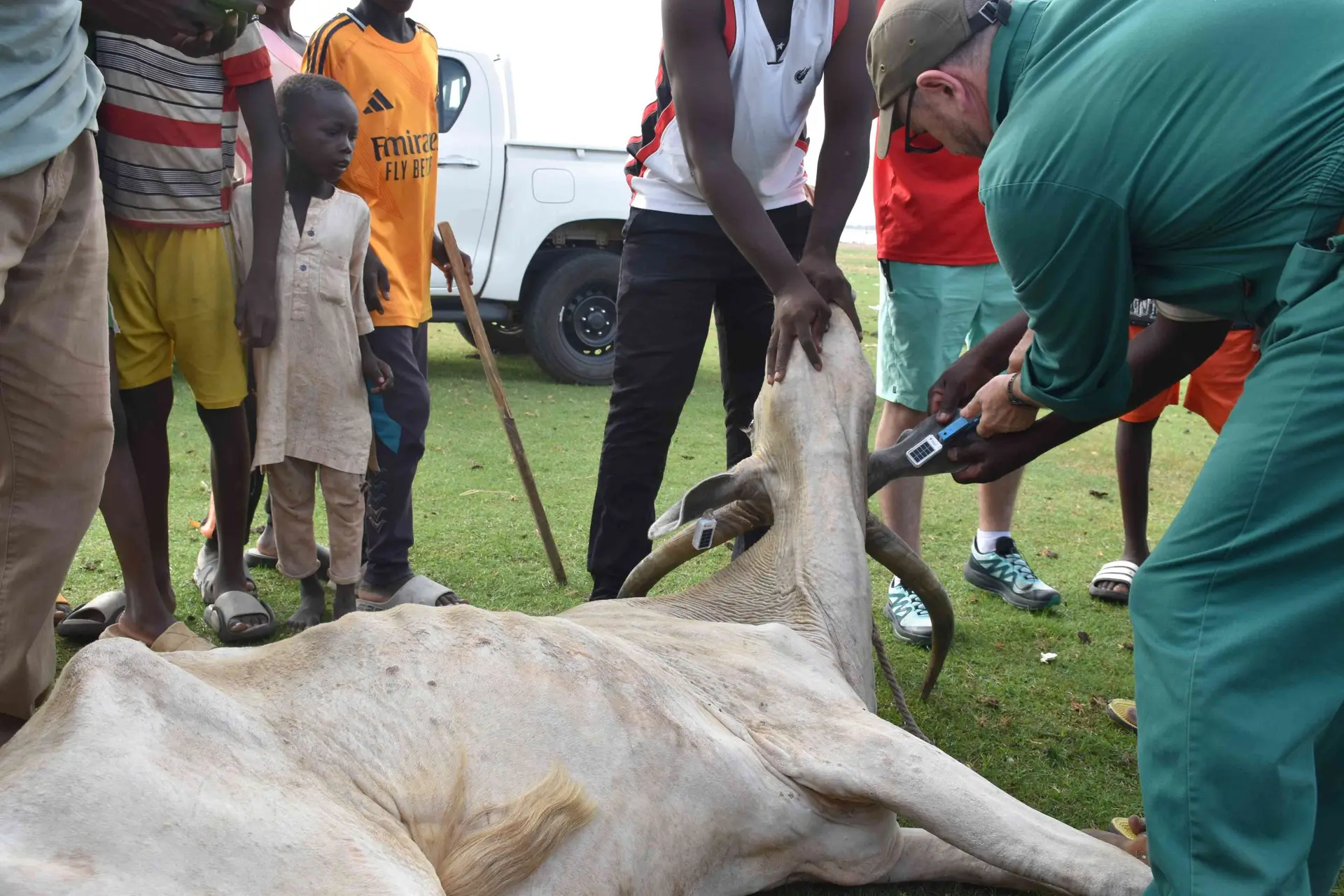
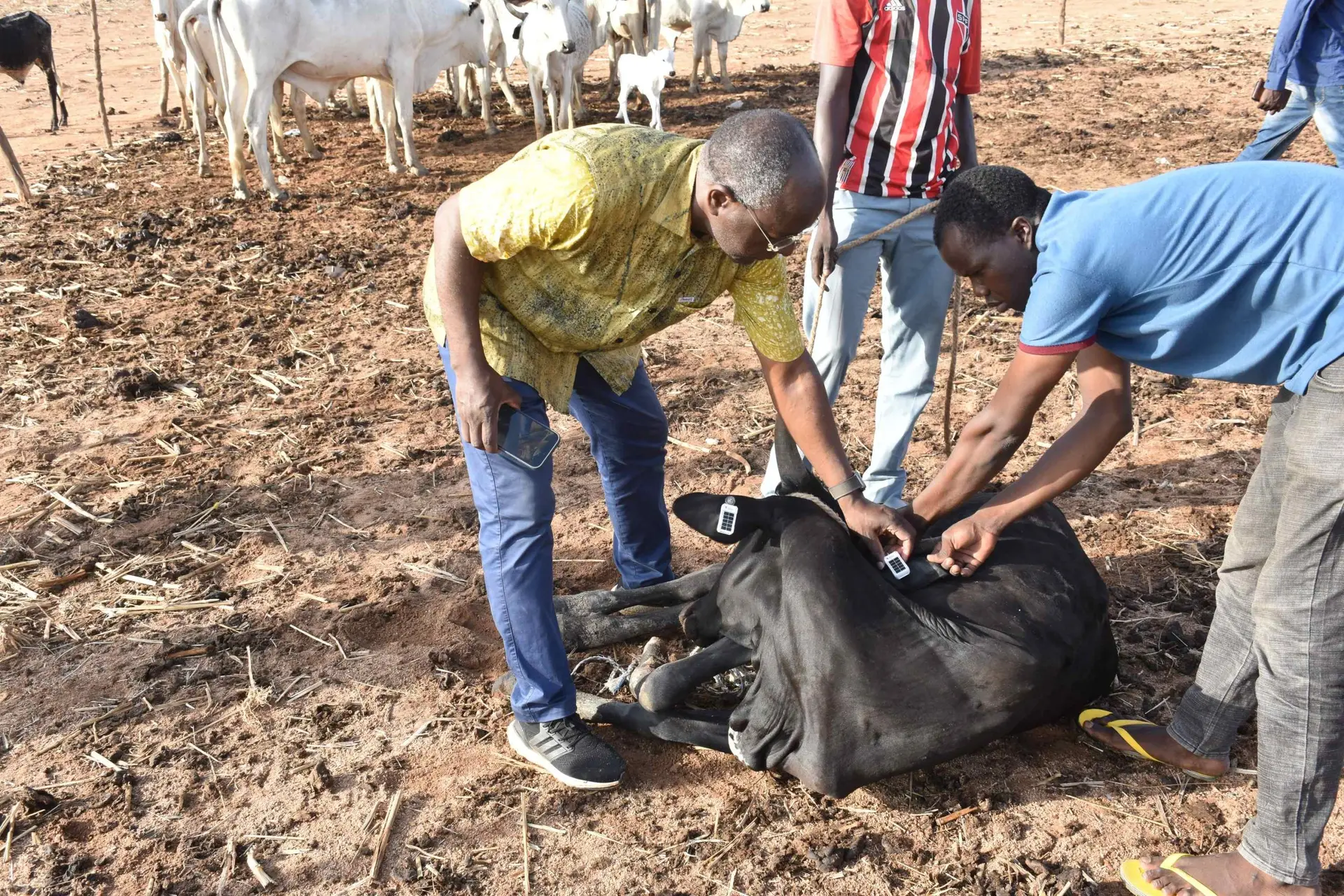
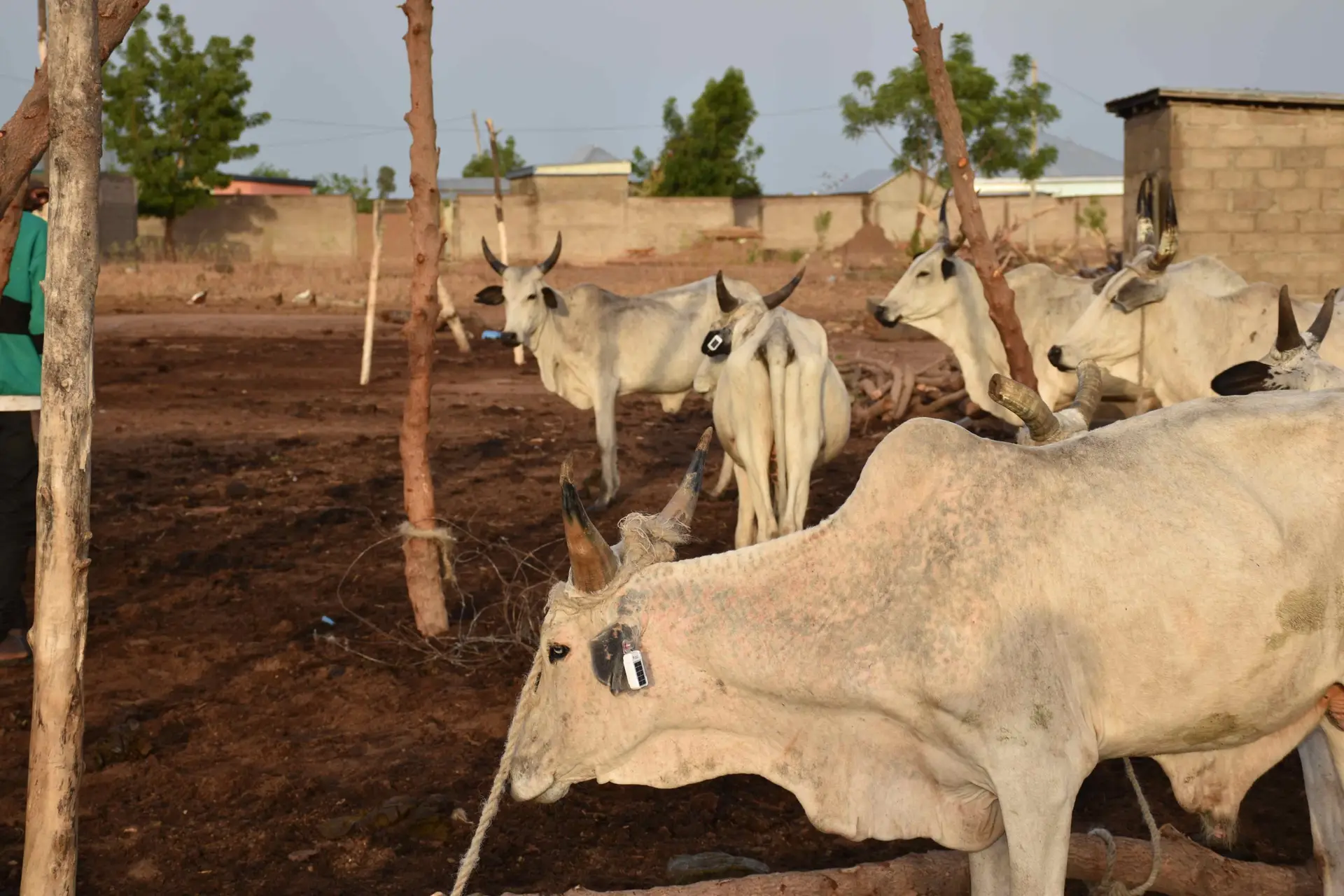
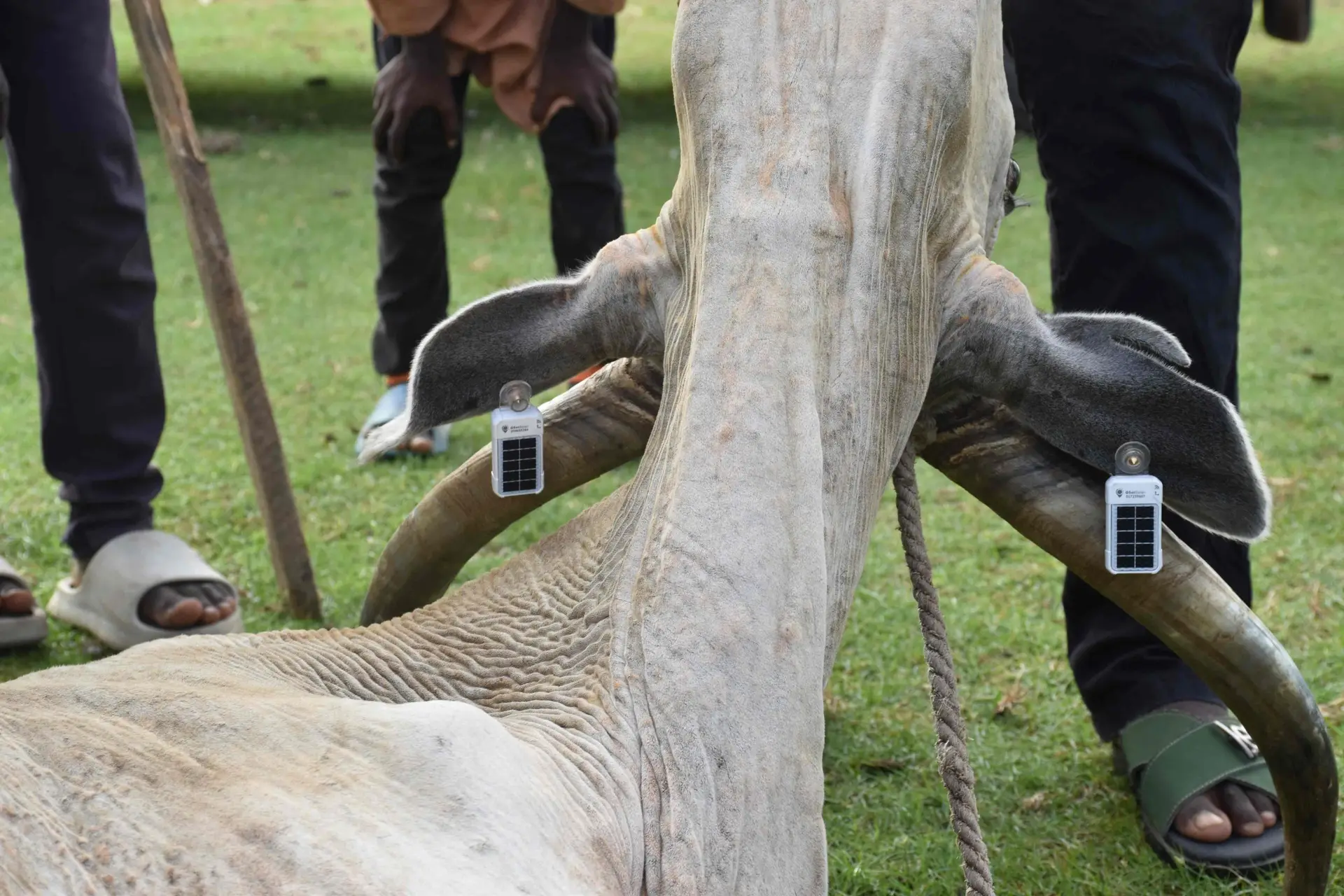
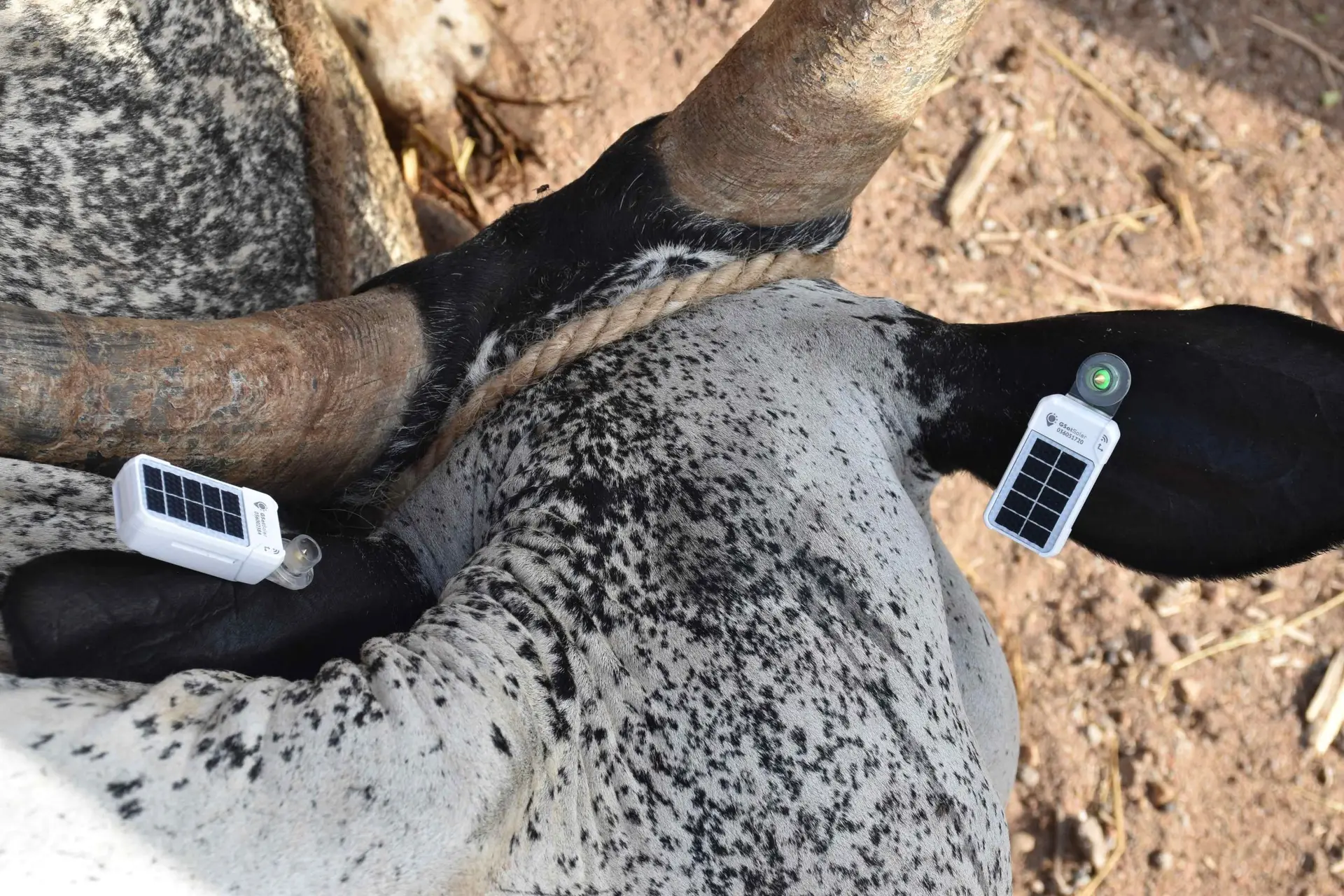
SHIS-CAM brings together complementary expertise in parasitology, population genetics and transmission ecology, around a common goal: understanding hybrid schistosomes better in order to preserve the effectiveness of elimination strategies.
Lead institution for the project, responsible for scientific coordination and field follow up in Cameroon.
Cameroon
Host, Pathogen and Environment Interactions (IHPE) is a joint research unit of CNRS, Ifremer and the Universities of Perpignan and Montpellier, hosted on the Perpignan campus. It contributes its expertise in evolutionary genetics and in the biology of host parasite interactions, through its MIA team on the micro evolution of interactions in the Anthropocene.
France
Leading institution in tropical medicine, contributing to the epidemiological design and to data analysis.
United KingdomSHIS-CAM brings together medical parasitology, veterinary science, evolutionary genetics and molecular diagnostics around a single research agenda.

Professor of parasitology at the University of Yaoundé I and head of the Centre Schistosomiasis and Parasitology, leading the scientific coordination of the programme in Cameroon.
CSP, University of Yaoundé I · Cameroon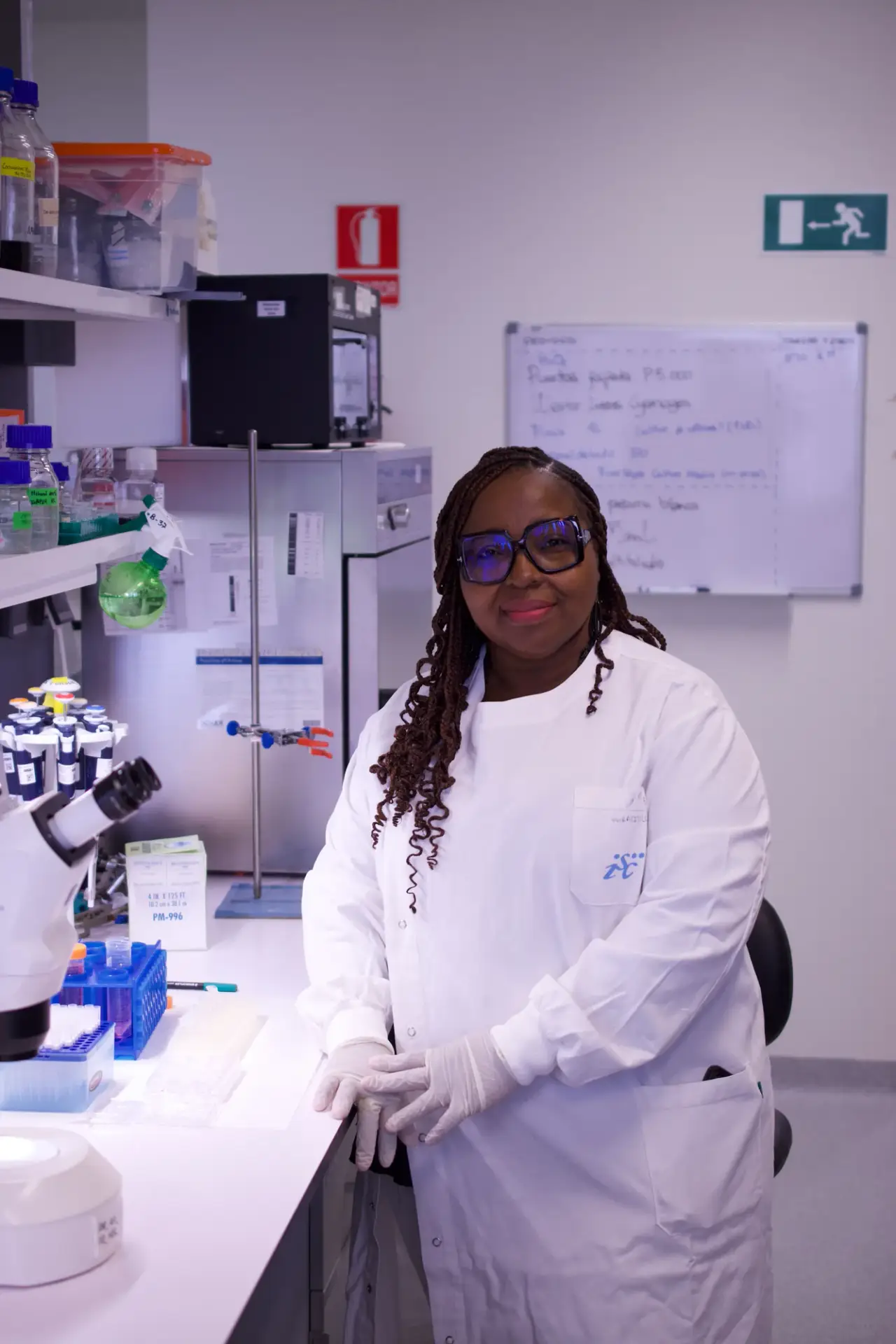
Specialist in physio-immunopathology, diagnostic and therapeutic approaches of schistosomiasis and soil-transmitted helminthiases, and in the training of young researchers.
CSP · Cameroon
Researcher at IHPE, Université de Perpignan, working on the evolution of schistosome populations and on the biology of host parasite interactions.
IHPE · France
Medical parasitologist specialising in schistosomiasis, contributing to the epidemiological design of the programme and to its long term study framework.
LSTM · United Kingdom
Veterinary parasitologist, bringing the livestock side of the One Health design, from field sampling in cattle to the interpretation of animal infections.
LSTM · United Kingdom
Molecular epidemiologist developing the assays used to detect hybrid signatures in clinical and environmental samples, and to report the first study findings.
LSTM · United Kingdom
Postgraduate research associate in tropical disease biology, working on the hybridisation of the parasites that cause urogenital schistosomiasis and on their transmission and clinical importance.
LSTM · United KingdomEach strand of the programme answers its own question, at the national scale as well as at the molecular level. The share of the programme devoted to each objective, and the years over which it runs, are shown alongside.
Determining the national magnitude and epidemiology of hybrid schistosomes in humans and in livestock, with a particular focus on the S. haematobium group, and mapping how distribution in livestock overlaps with areas of higher prevalence in people to identify where hybrids evolve fastest.
Within a five year longitudinal study offering biannual preventive chemotherapy, testing whether hybrid emergence persists without sufficient abate, while noting any significant shifts in infection by age or gender, in host morbidity and in treatment efficacy.
Exploring new frameworks for environmental transmission surveillance and experimental infections, drawing on GPS mapping of livestock and on aquatic habitat profiling with advanced eDNA metabarcoding, collectively tracking schistosome and snail signatures and their cross interactions.
The programme is still in its early years. The figures below come from the first rounds of sampling and are shared as work in progress, not as final conclusions. They will be revised as the longitudinal study advances.
Molecular screening of schistosome positive urine filters detected livestock parasite signatures in the large majority of samples.
Demo figureParticipants recruited across the first study districts, each followed with twice yearly examination and preventive chemotherapy.
Demo figureLivestock movement tracked around water contact points, linking herd behaviour to the places where transmission is most likely.
Demo figureAquatic habitats profiled by metabarcoding to detect schistosome and snail signatures without capturing a single parasite.
Demo figureThe programme was introduced at the scientific meeting on the importance of hybrid schistosomes in Africa, held in London on 3 and 4 February 2025.
Baseline sampling closed in the opening study districts, covering human, livestock and environmental compartments in the same localities.
Hybrid detection assays established in the CSP laboratory, allowing samples to be processed in Cameroon rather than shipped abroad.