Our Work

In order to contribute to the improvement of health of people in endemic areas, the Centre Schisto integrates research and control across eight major research themes — from field epidemiology and drug efficacy to genomics, GIS and ethnobotany.

Each theme is anchored in Cameroonian field sites, connected to international consortia, and designed to produce evidence usable by the National Programme for Control of Schistosomiasis and Intestinal Helminthiasis.

Scope 7

Interlinked research themes running in parallel across CSP labs and field stations.

Reach 30+

Sentinel sites across Cameroon feeding data into every theme.

Purpose 1

Single mission — turn research into control action that protects endemic communities.

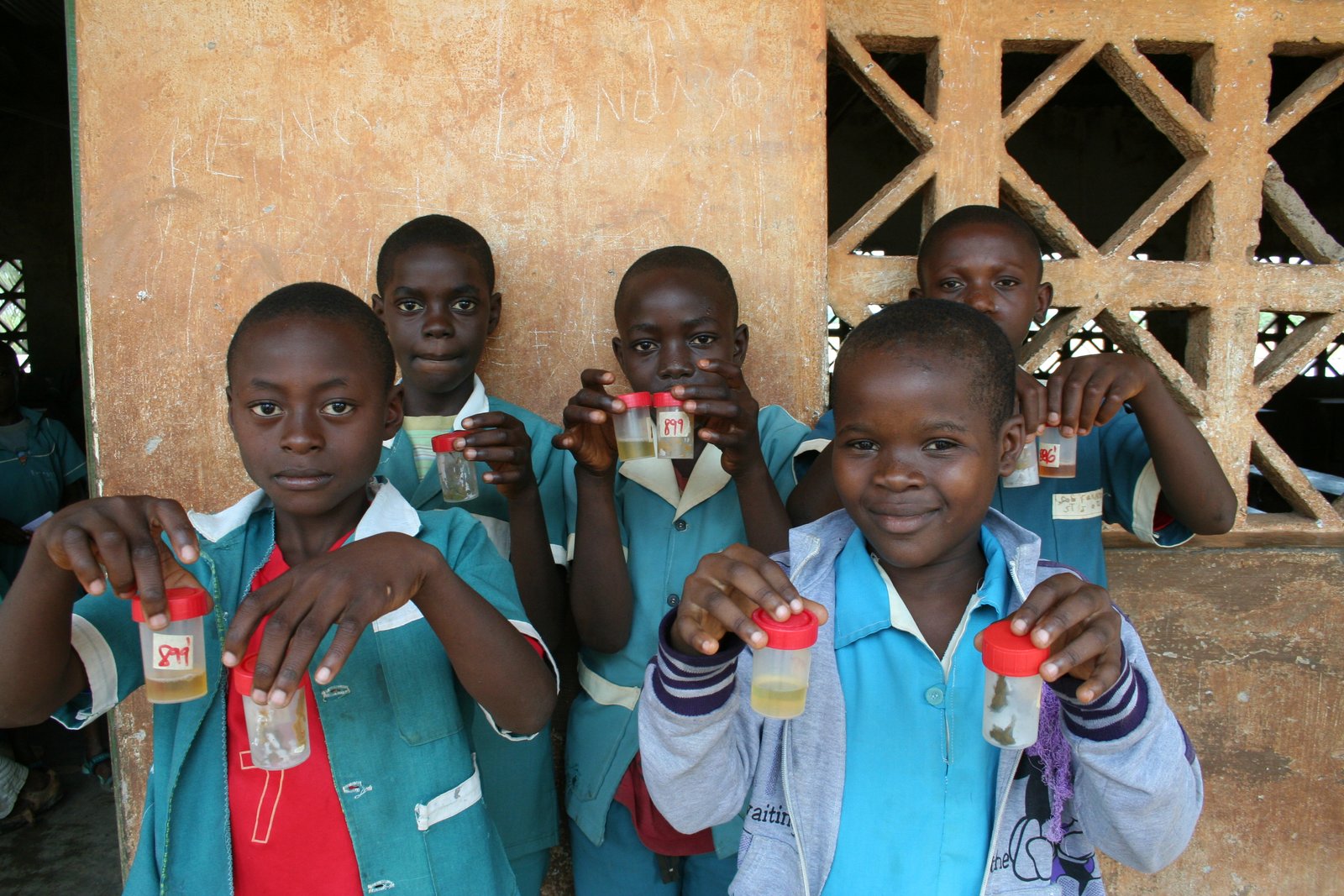
Epidemiology of schistosomiasis and intestinal helminthiasis

Epidemiology — field surveillance in endemic communities
Epidemiology

"Schistosomiasis and intestinal helminthiasis remain among the most widespread parasitic diseases in sub-Saharan Africa. This theme establishes a continuously updated epidemiological baseline across endemic communities in Cameroon, providing the evidence base for targeted control programs."

Key research activities
  • Cross-sectional surveys Systematic population surveys using standardized Kato-Katz and CCA diagnostic protocols, repeated annually to track trends.
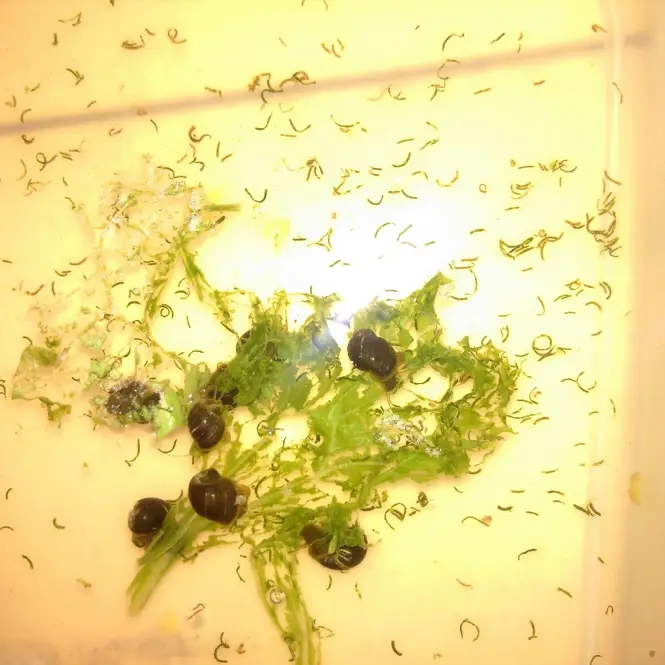
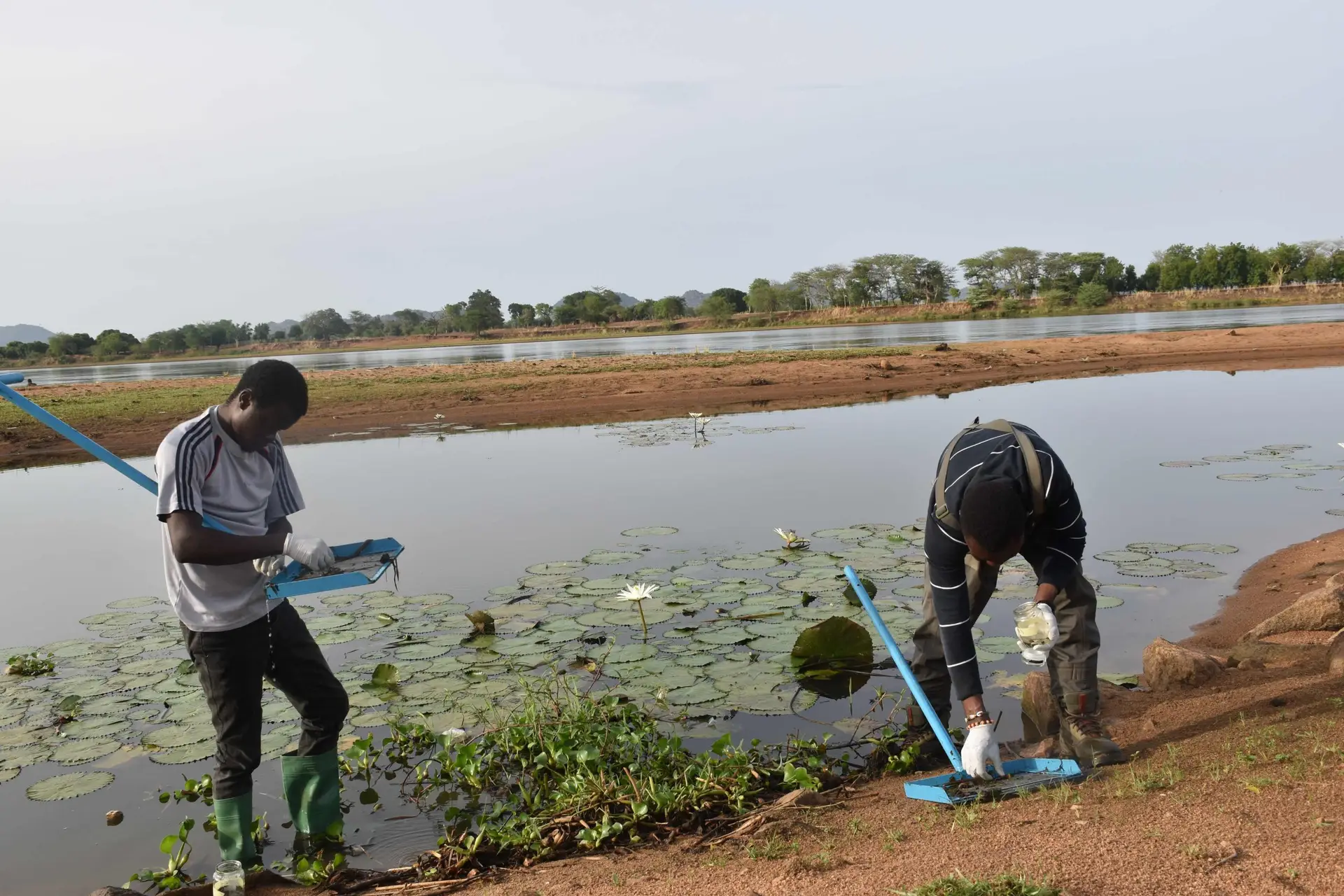
  • Snail host surveillance Monthly malacological surveys tracking snail density, infection rates, and cercarial shedding patterns by season and habitat.
  • Distribution mapping Geo-referenced prevalence maps integrating field data and remote sensing variables to delineate high-risk zones.
  • Burden estimation Age-stratified morbidity assessments including haematuria, hepatosplenomegaly and stunting indicators.
Focus areas
  • Prevalence surveys
  • Kato-Katz
  • Transmission dynamics
  • Snail host mapping
  • Risk modelling

Treatment efficacy & drug resistance

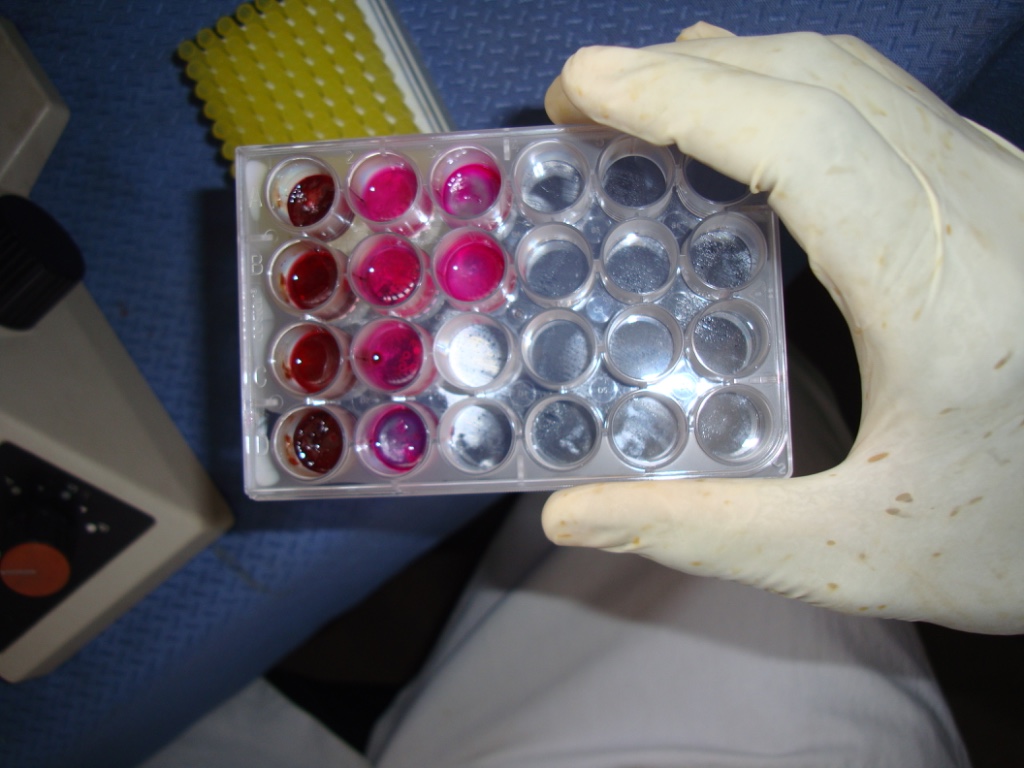
Praziquantel efficacy monitoring in MDA communities
Drug response

"With praziquantel (PZQ) as the sole WHO-recommended treatment for schistosomiasis, this theme systematically monitors therapeutic outcomes in MDA communities, evaluating cure rates and egg reduction rates according to standardized protocols."

The theme addresses in vitro and in vivo models detecting reduced PZQ susceptibility in Schistosoma mansoni and S. haematobium. Resistance markers — SmMRP1, Smβ-tubulin polymorphisms, and genome-wide SNP profiles — undergo validation across multiple Cameroon transmission sites. Albendazole and mebendazole efficacy monitoring occurs against Ascaris lumbricoides, Trichuris trichiura, and hookworm species.

Key research activities
  • MDA efficacy trials Controlled follow-up of treated cohorts measuring cure and egg reduction rates across multiple sentinel sites.
  • Resistance marker screening Molecular genotyping of parasite populations to detect SNPs associated with reduced praziquantel susceptibility.
  • Anthelminthic monitoring Annual ERR assessments for albendazole and mebendazole to detect early signals of resistance emergence.
  • Alternative strategies Evaluation of oxamniquine-PZQ combinations and novel drug candidates as contingency options for confirmed PZQ resistance.
Focus areas
  • Praziquantel
  • Cure rates
  • Drug resistance
  • MDA monitoring
  • Albendazole

Genetic diversity of schistosomes & snails

Population genetics of schistosomes and intermediate snail hosts
Genetic diversity

"The genetic architecture of both schistosome parasites and their intermediate snail hosts fundamentally determines transmission dynamics and drug response profiles."

The theme employs microsatellite genotyping, SNP arrays, and whole-genome sequencing of field parasites. Snail populations (Biomphalaria pfeifferi, B. camerunensis, Bulinus truncatus) are genotyped to identify cryptic species and susceptibility genotypes. The research predicts parasite responses to MDA pressure and climate-driven range shifts.

Key research activities
  • Parasite genotyping SNP-based population genetics of field isolates from 30+ sentinel sites across Cameroon.
  • Snail compatibility mapping Cross-infection experiments to map compatibility matrices and susceptibility genotypes across geographic origins.
  • Whole-genome sequencing High-depth WGS to identify selection sweeps and candidate loci under MDA-driven selection pressure.
  • Morphological characterization Quantitative morphometry of cercariae, miracidia and adult worms to detect hybridisation-related shifts.
Focus areas
  • Microsatellites
  • SNP panels
  • WGS
  • Biomphalaria
  • Bulinus

Interactions between schistosome species

Sympatric schistosome species in Sanaga and Wouri river basins
Species interactions

"The Sanaga and Wouri river basins represent one of the few natural laboratories worldwide where S. mansoni, S. haematobium and S. intercalatum co-circulate, creating exceptional conditions for studying interspecific hybridisation."

Researchers employ multilocus microsatellite genotyping, mitochondrial cox1 sequencing and nuclear ITS2 analysis to detect hybridisation events. Hybrids display altered host range, enhanced infectivity and potentially modified drug susceptibility profiles — with direct implications for surveillance, diagnostics and control strategies.

Key research activities
  • Hybrid detection Multilocus genotyping of miracidia from patients in sympatric zones to identify hybrids and quantify introgression rates.
  • Co-infection experiments Controlled snail co-exposures to measure priority effects and suppression of cercarial shedding between species.
  • Hybrid clinical impacts Clinical characterization of hybrid infections, documenting atypical pathology and diagnostic test sensitivity implications.
  • Host range expansion Assessment of hybrid infectivity for atypical snail hosts to determine whether hybridisation could drive range expansion.
Focus areas
  • Hybridisation
  • S. mansoni
  • S. haematobium
  • S. intercalatum
  • Hybrid fitness

Alternative & complementary medicine

Ethnobotanical research on medicinal plants for helminthic infections
Alternative medicine

"In many endemic communities, traditional plant-based remedies represent the first therapeutic recourse for helminthic infections."

The theme bridges ethnobotanical knowledge with modern pharmacology to evaluate traditional practices through structured surveys, in vitro screening, phytochemical analysis, and in vivo validation in rodent models.

Plant genera studied
  • Terminalia
  • Khaya
  • Annona
  • Combretum
  • Vernonia
Key research activities
  • Ethnobotanical surveys Interviews with traditional healers to document plant use for schistosomiasis and helminthiasis.
  • In vitro screening Motility and viability assays on schistosome larval stages and adult worms with IC50 calculations.
  • Phytochemical characterization HPLC-DAD and LC-MS/MS profiling of active fractions to elucidate bioactive compounds.
  • In vivo validation Efficacy and safety testing in murine schistosomiasis models, measuring worm burden and hepatic pathology.
Focus areas
  • Ethnobotany
  • Plant extracts
  • HPLC/LC-MS
  • Phytochemistry
  • Drug leads

Geographical Information System (GIS)

GIS mapping of schistosomiasis transmission risk
GIS mapping
Key research activities
  • Risk mapping Continuous infection probability surfaces at 1 km² resolution integrating field data and satellite-derived covariates.
  • Remote sensing integration Automated extraction of NDVI and land cover indices from Sentinel-2 and Landsat imagery.
  • Hotspot detection Spatial scan statistics to identify persistent high-transmission foci requiring targeted complementary interventions.
  • Program impact evaluation Temporal risk maps comparing pre- and post-MDA surfaces to quantify program impact.
Focus areas
  • GIS
  • Kriging
  • Remote sensing
  • NDVI
  • Hotspot detection

Genetic studies

Functional genomics research on schistosome immune evasion
Genetic studies

"This theme investigates the molecular mechanisms underpinning host immune evasion, drug metabolism, host specificity, and adaptive responses to MDA pressure through functional genomics approaches."

RNA-seq transcriptomics compares gene expression across parasite life stages, geographic strains, and PZQ-exposed versus unexposed populations. Proteomic profiling by 2D-PAGE and LC-MS/MS characterizes the tegumental protein repertoire, revealing how schistosomes manipulate host immune responses.

Key research activities
  • Life-stage transcriptomics RNA-seq across all major life stages to map developmental gene regulatory networks.
  • Tegument proteomics LC-MS/MS characterization of surface proteins for immune evasion and vaccine development.
  • CRISPR functional validation Gene editing of candidate loci to establish causal genotype-phenotype links for drug resistance traits.
  • Vaccine antigen prioritization Ranking of candidate antigens based on surface exposure, immunogenicity and protective efficacy in challenge models.
Focus areas
  • RNA-seq
  • Transcriptomics
  • Proteomics
  • CRISPR-Cas9
  • Vaccine antigens

The Centre Schisto leads the control of schistosomiasis and geohelminthiasis in Cameroon — turning scientific evidence into action that protects communities.

National control programme

The Centre Schisto is particularly involved in the control of schistosomiasis and geohelminthiasis. It contributes to the working out of control strategies, and assists the National Programme for Control of Schistosomiasis and Intestinal Helminthiasis in the implementation of control activities and operational research.

Measurable impact

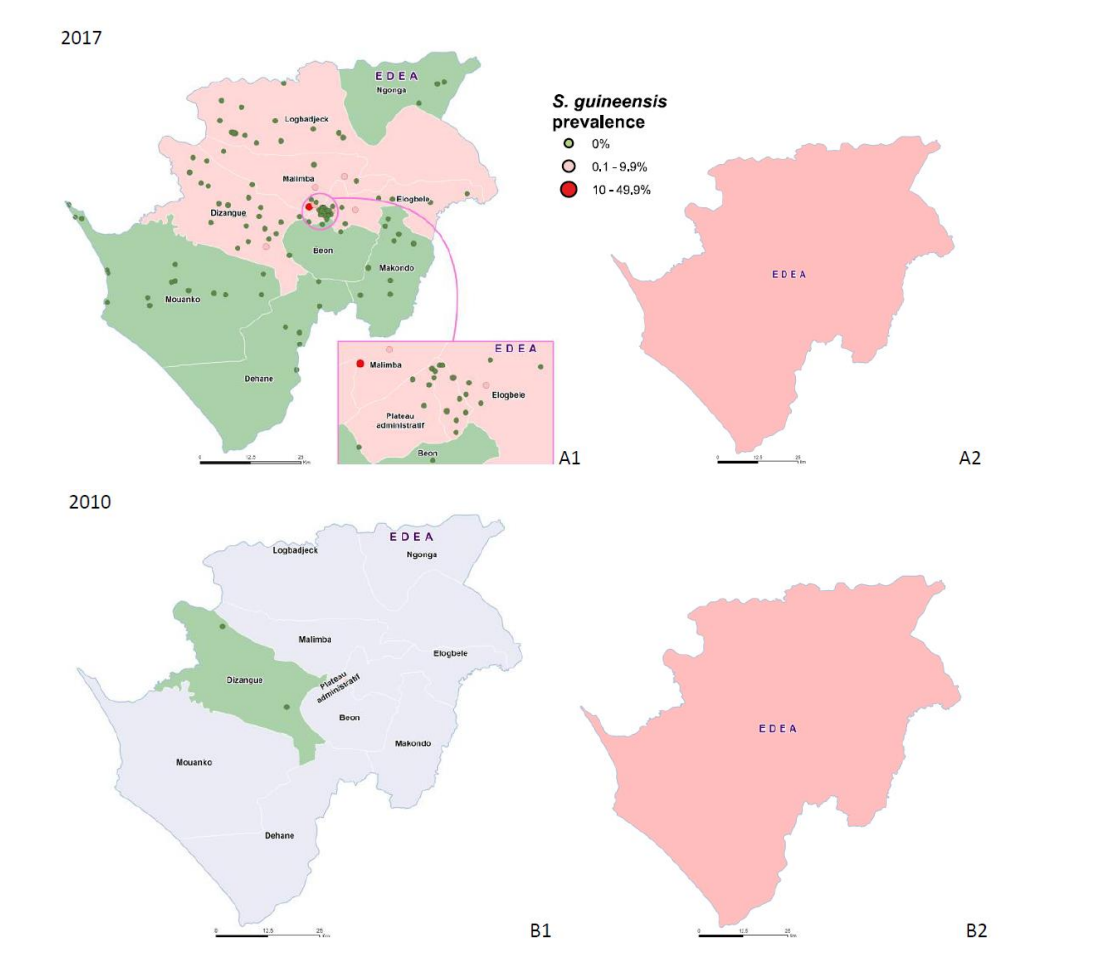
Recent mapping results show the positive impact the annual deworming campaigns in Cameroon are having in the fight against schistosomiasis.

Proven results

Capacity building

The strengthening of the capacity of research teams in developing countries, a greater involvement of researchers from these developing countries, and a strong multidisciplinary partnership are essential for an efficient and durable control of parasitic diseases — which represent a serious constraint on human development in the tropics.

Community health

By its wide range of scientific expertise, international and national collaboration, and its leading role in research and control of parasitic diseases in Cameroon, the Centre for Schistosomiasis & Parasitology works to promote Community Health, and is an efficient and reliable partner in in-depth scientific research and parasitic disease control.

The Centre Schisto supervises the training of DEA and PhD students from Cameroonian, African, European and American universities.

Since its onset, the CSP has been a location where students can easily carry out their final-year research in the presence of efficient supervisors. The CSP also organizes various scientific meetings.

Students DEA & PhD

Final-year research with experienced supervisors

Geography 4 Continents

Cameroon, African, European and American universities

Knowledge Scientific Meetings

Regular seminars and conferences for knowledge exchange