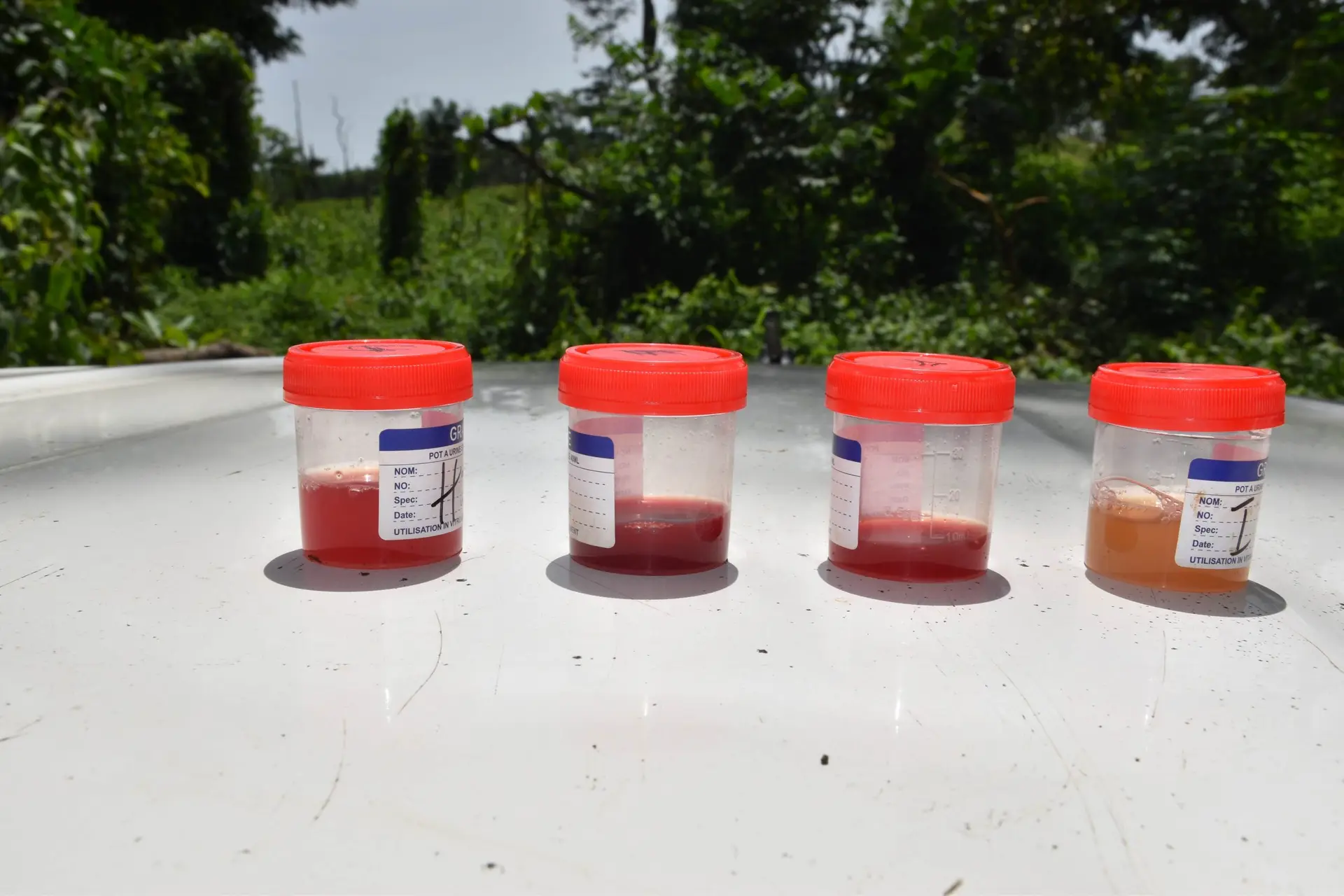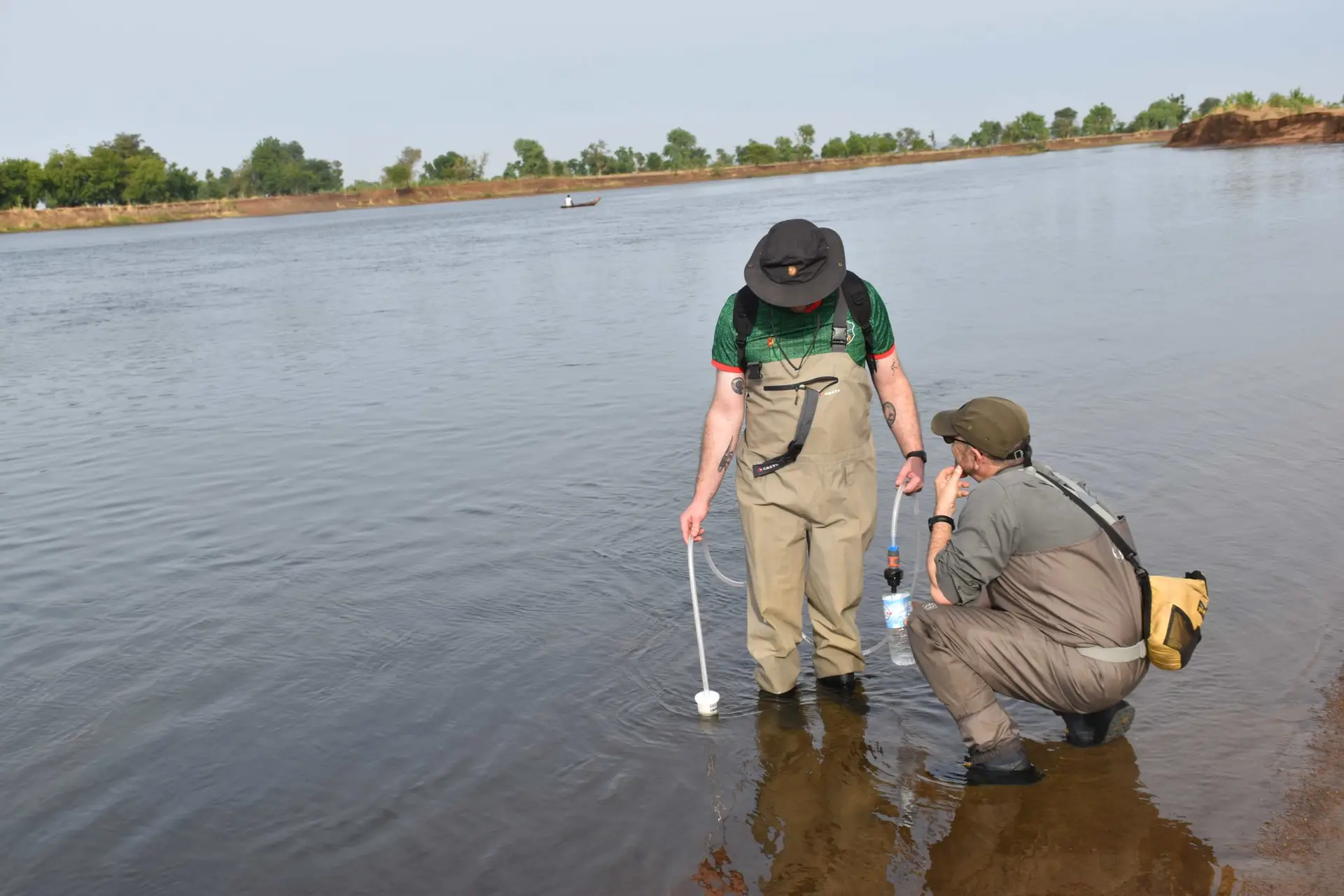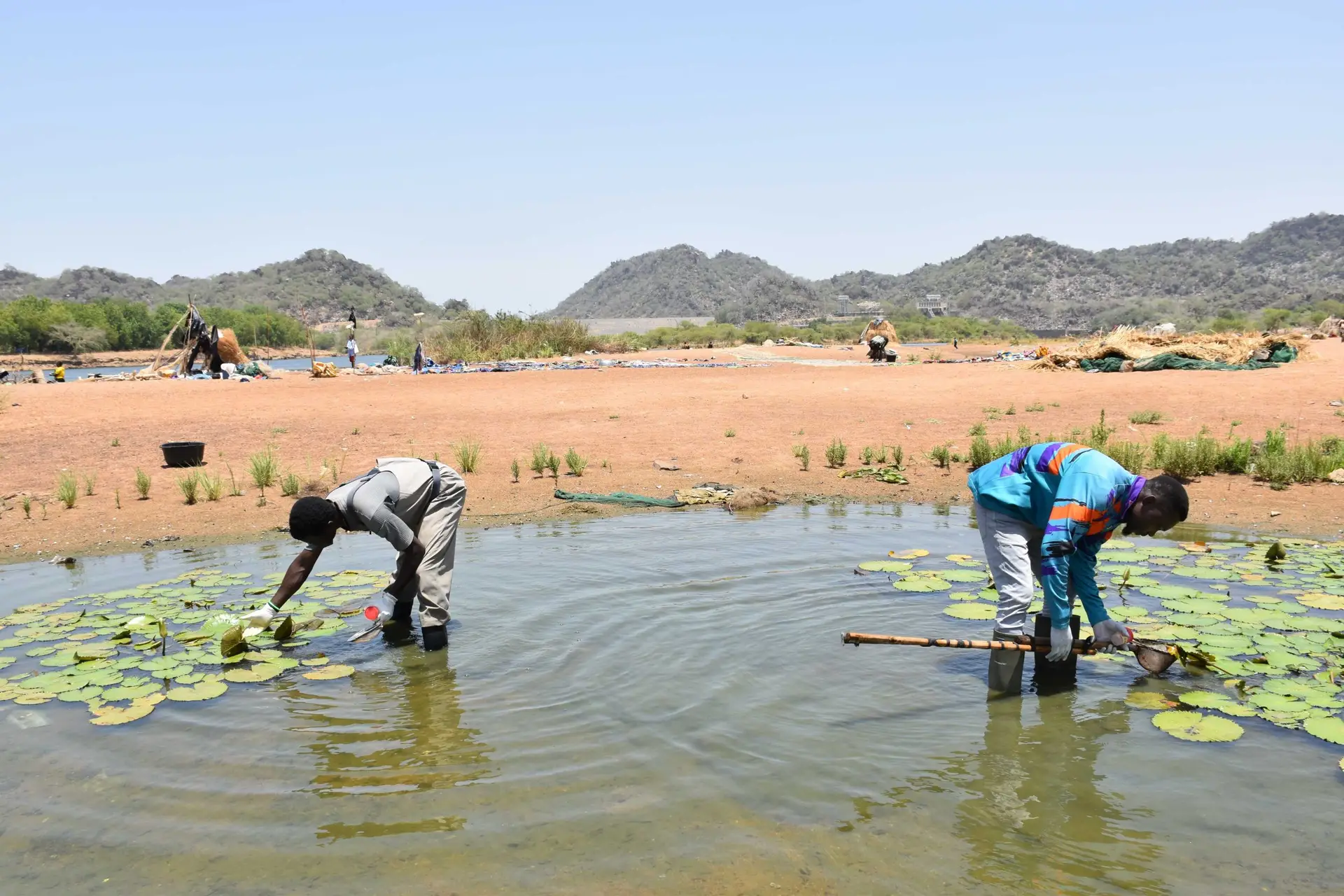
At the Centre for Schistosomiasis and Parasitology, identifying schistosomes doesn’t stop at the microscope. As part of the SHIS-CAM project, our team uses cutting-edge molecular biology tools, RT-PCR combined with HRM (High Resolution Melting) analysis, carried out using the MYRA automated system and the Mic thermocycler to precisely characterize the genetic profiles of miracidia collected in the field, whether they originate from human urine or bovine feces.
Urine filters are also analyzed in the laboratory, along with cercariae from intermediate host snails, each collection medium representing a piece of the epidemiological puzzle.
This approach reveals what no morphological examination ever could: the presence of hybrid forms between Schistosoma haematobium, a human parasite, and Schistosoma bovis, a parasite of cattle. By cross-referencing nuclear and mitochondrial markers, each sample tells a genetic story, one of transmission that sometimes circulates between humans and animals. Through international partnerships established under the SHIS-CAM project, some of these samples also undergo genomic sequencing abroad, further deepening the scope of our analyses. This combination of automation and analytical rigor, paired with a One Health approach integrating human, animal, and environmental health, makes the CSP a key player in the molecular surveillance of schistosomiasis in Cameroon.