Stay informed about the latest CSP activities and our partners

Latest News

Scientific review and strategic planning meeting

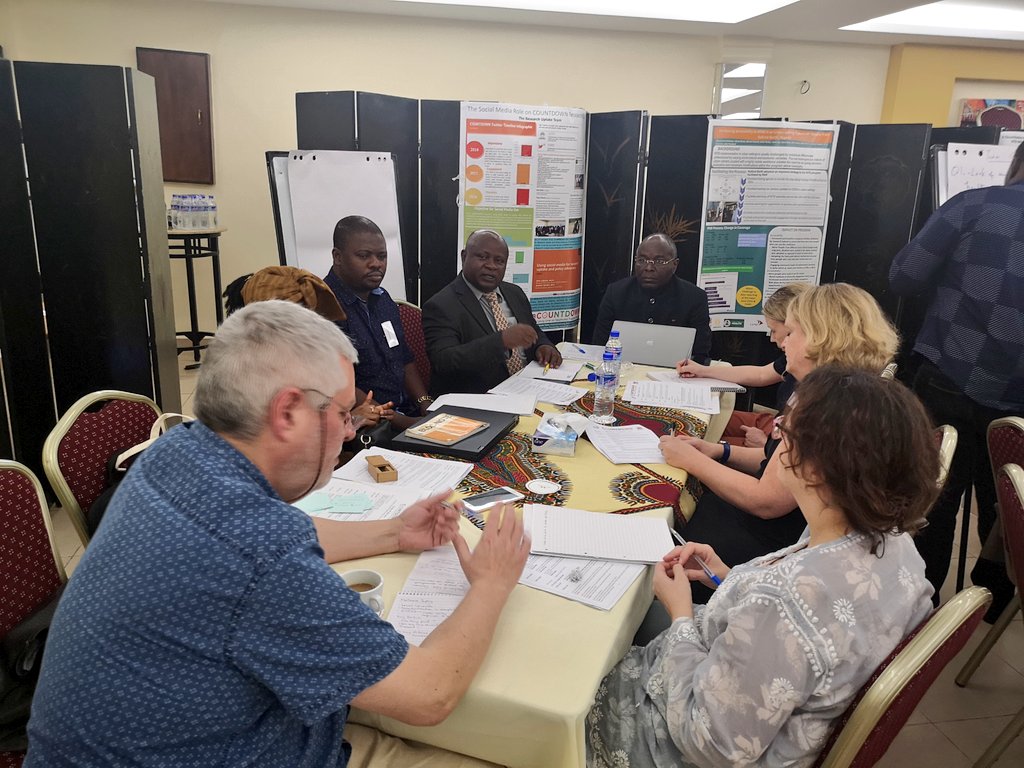
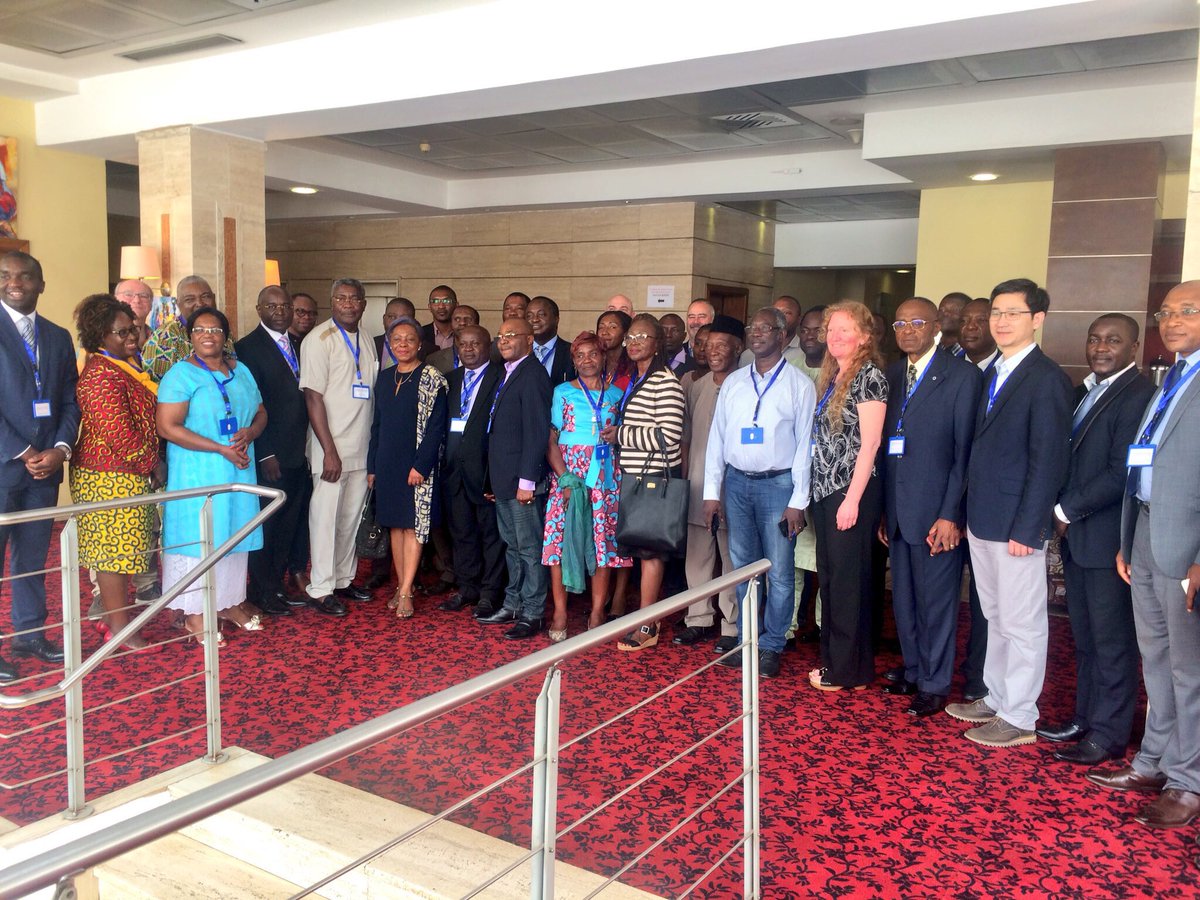
As part of the SHIS-CAM project, researchers from the Centre for Schistosomiasis and Parasitology (CSP), the Liverpool School of Tropical Medicine (LSTM), and the University of Perpignan met to review preliminary findings from the initial field activities and discuss the next phases of the research. The meeting provided an opportunity to examine early results, assess field implementation, refine research approaches, and identify key scientific directions for the continuation of the project. Discussions focused not only on data collection but also
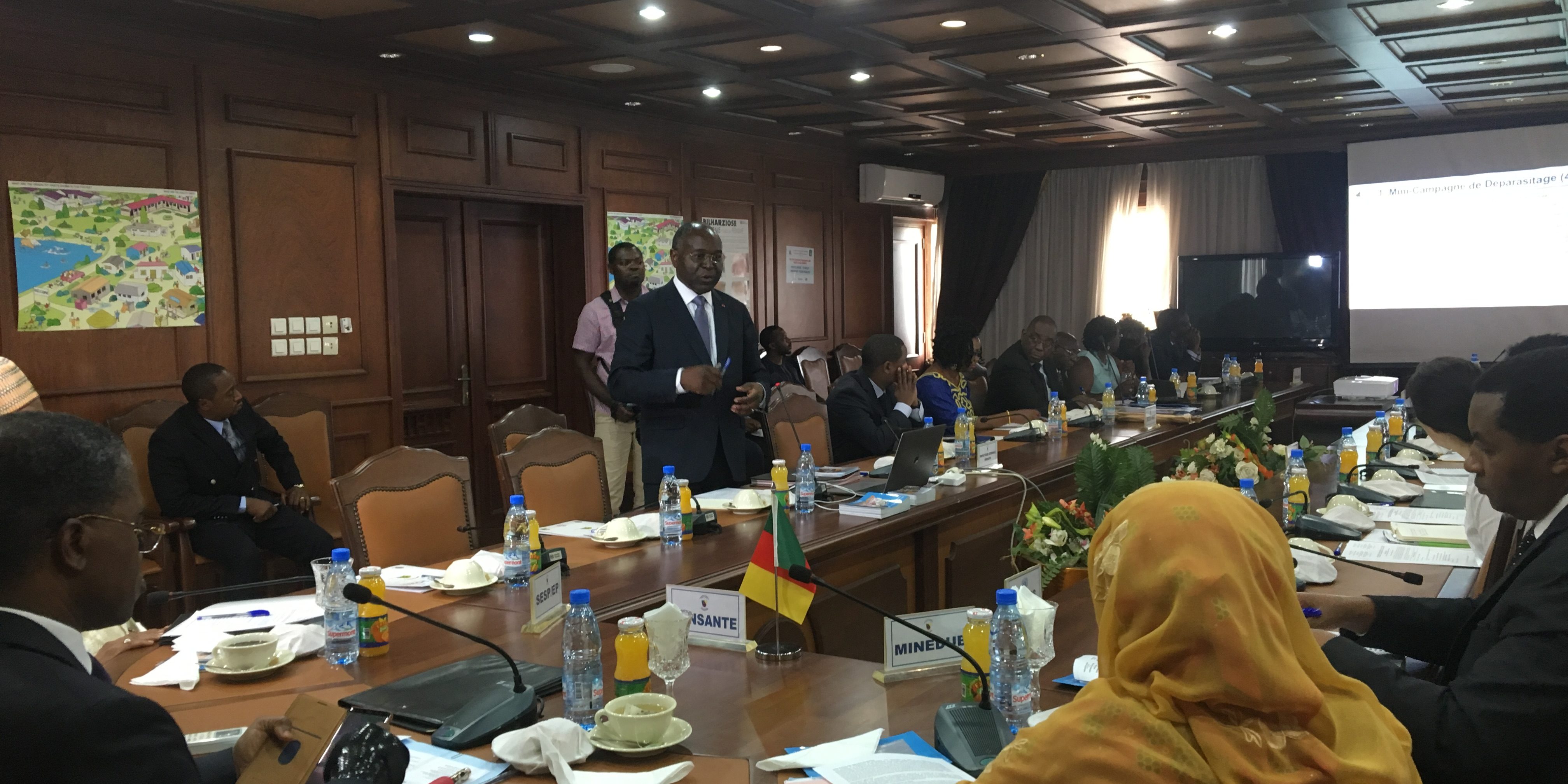
Launch of the 2016 National Deworming Campaign at Government Primary School Mfandena II

Neglected Tropical Diseases are a set of communicable diseases which tend to prevail in tropical and sub-tropical regions with over 21 million Cameroonians at risk. These diseases are known as diseases of poverty as they usually affect populations living in poverty, without appropriate sanitation conditions and dwelling in close proximity to the infectious vectors. Cameroon is largely affected by five of these diseases namely; Schistosomiasis, Soil-transmitted Helminthiasis, Onchocerciasis, Lymphatic filariasis and Trachoma.  Albeit being termed ‘neglected’, they are not to be neglected as they

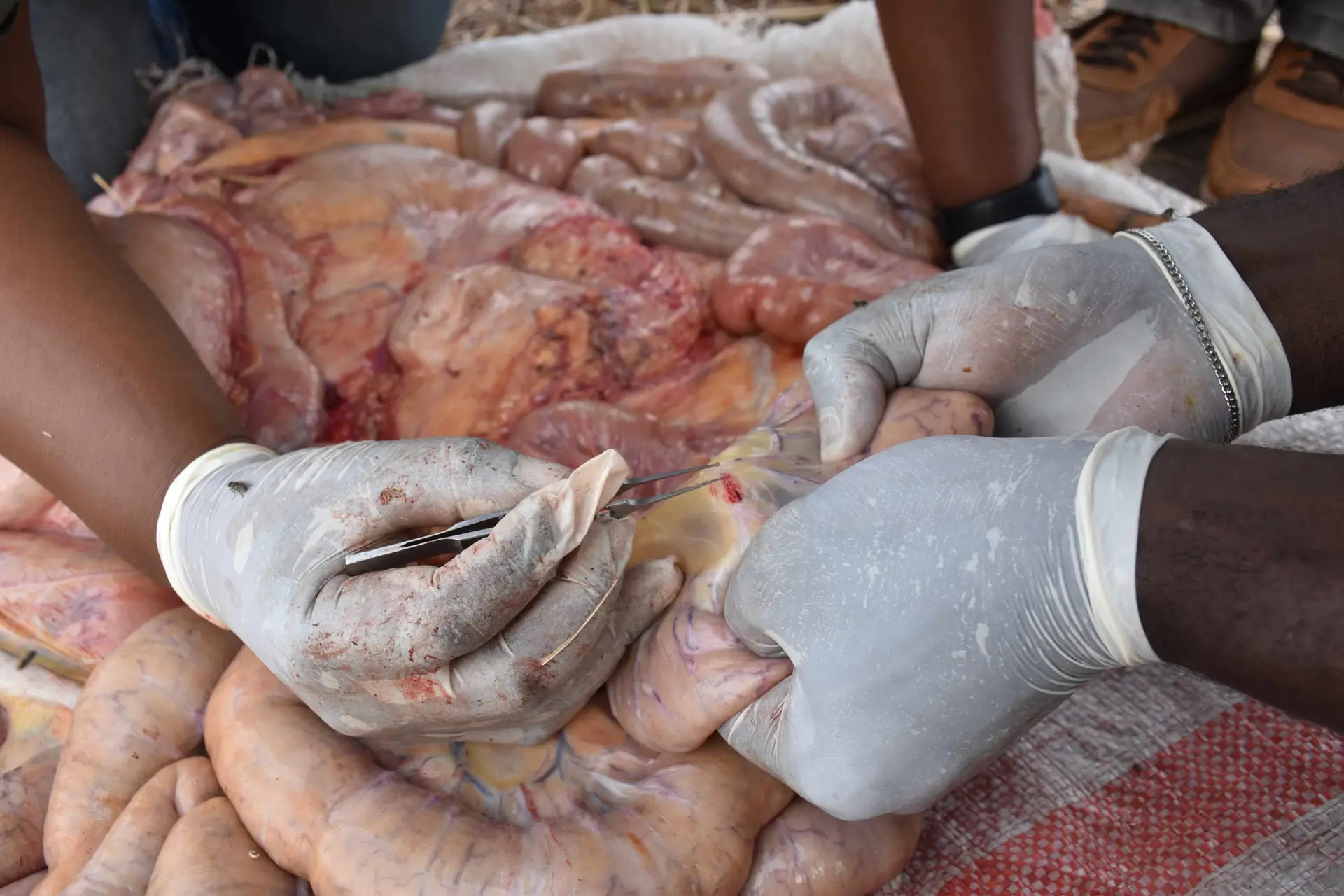
Cattle sampling and parasite examination at slaughterhouses

As part of the SHIS-CAM project, CSP teams conduct cattle sampling activities in slaughterhouses to investigate bovine schistosomiasis. Mesenteric samples are collected and examined for the detection and recovery of adult Schistosoma bovis worms.The data generated from these investigations contribute to a better understanding of parasite infection patterns and distribution among cattle populations.  

School-based parasitological surveys

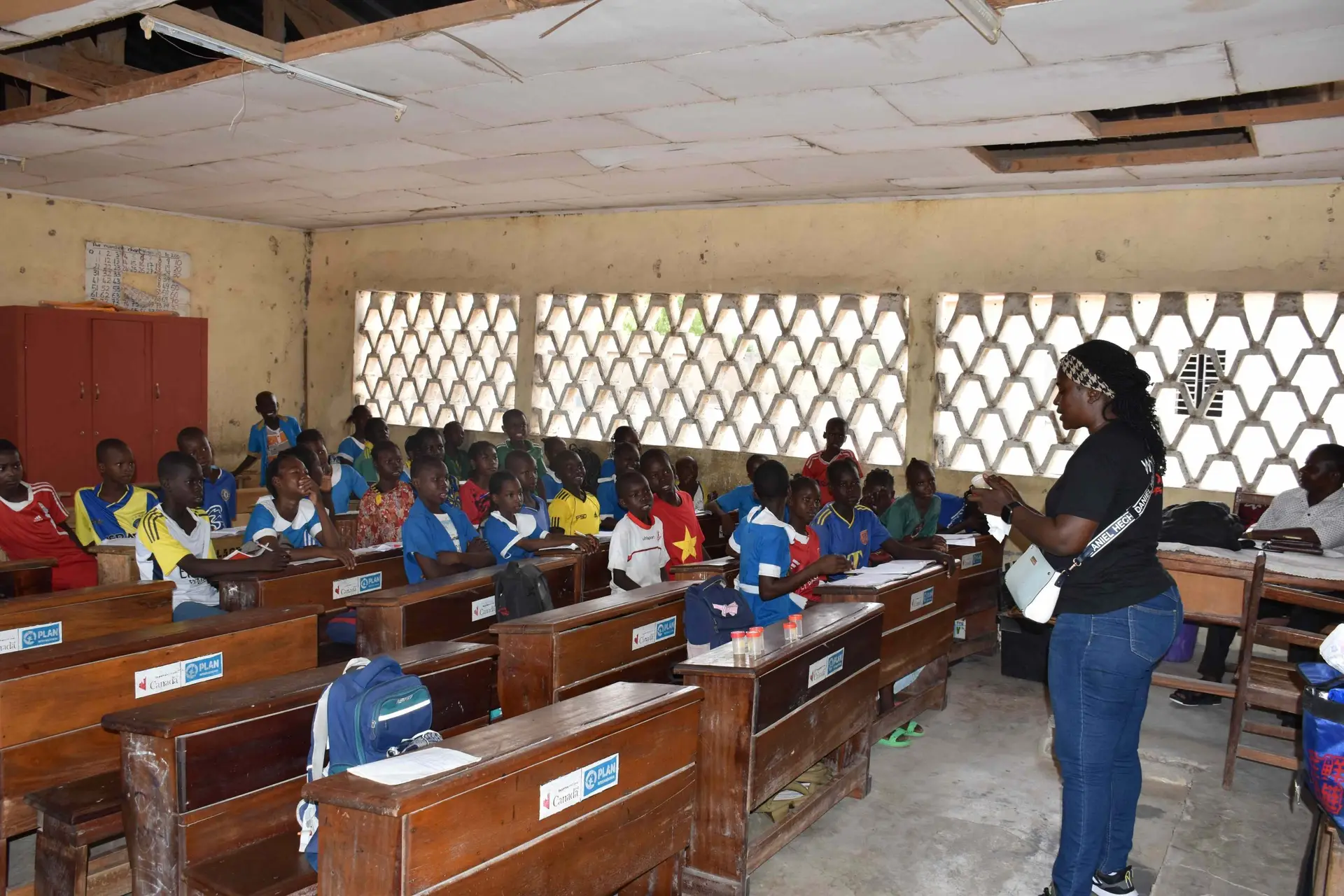
Schoolchildren play a central role in the SHIS-CAM project by contributing to surveys that help improve the understanding and control of schistosomiasis. Conducted in close collaboration with schools, parents, and local communities, these activities are carried out in accordance with ethical standards and with informed consent from parents or legal guardians. The photographs capture the enthusiasm and positive engagement of children participating in sample collection activities. Their willingness to contribute reflects the trust built through community sensitization and the strong

Field sample processing

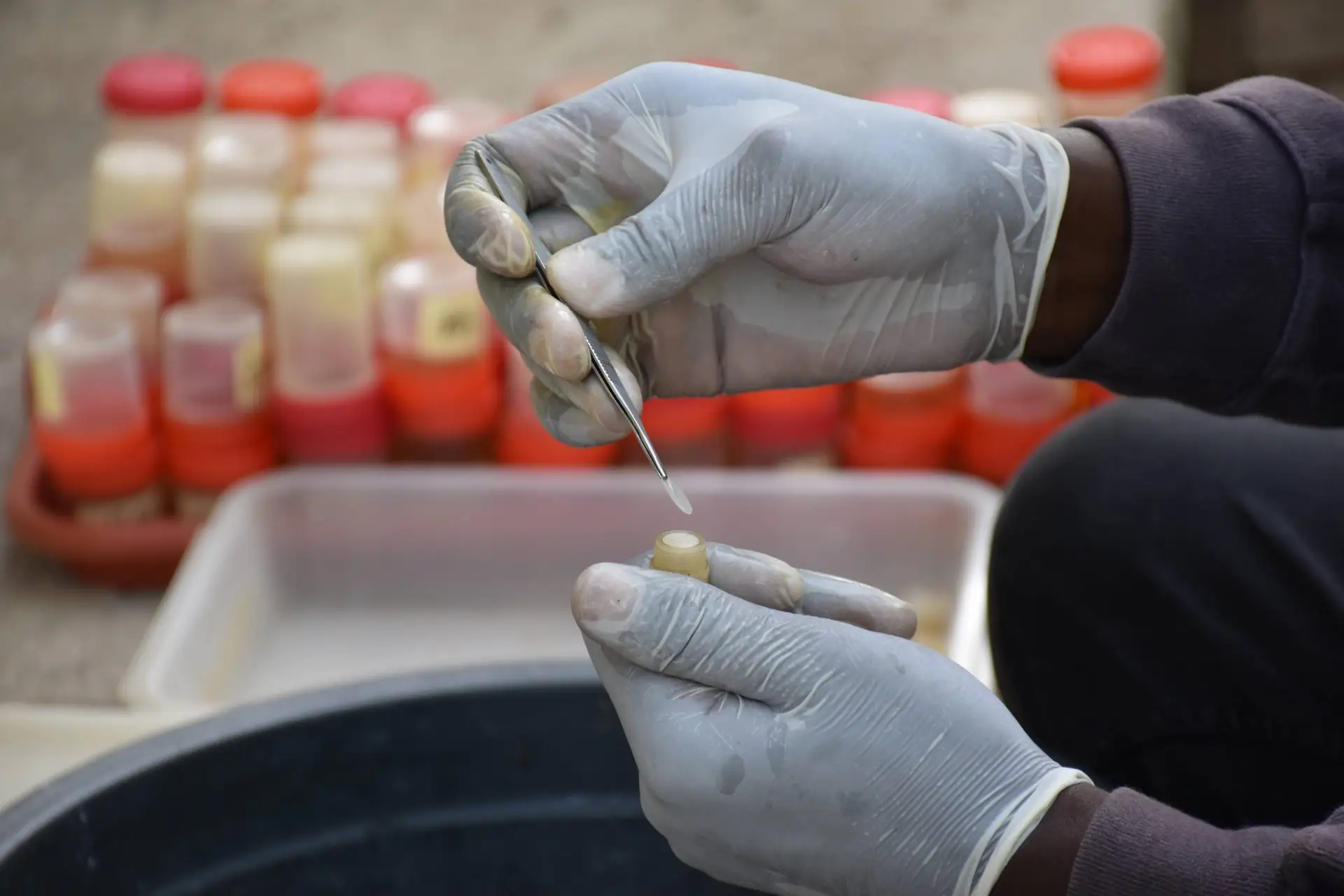
In the SHIS-CAM project, sample processing is conducted directly in the field by the experienced teams of the Centre for Schistosomiasis and Parasitology (CSP). Laboratory technicians, field agents, Master’s students, PhD candidates, and researchers work together to perform parasitological examinations under field conditions using standardized methods, including Kato-Katz for stool samples and urine filtration for schistosomiasis diagnosis.These activities highlight the CSP’s long-standing expertise in conducting high-quality parasitological surveys in endemic settings, even in challenging field environments.  

GPS tracking and schistosomiasis

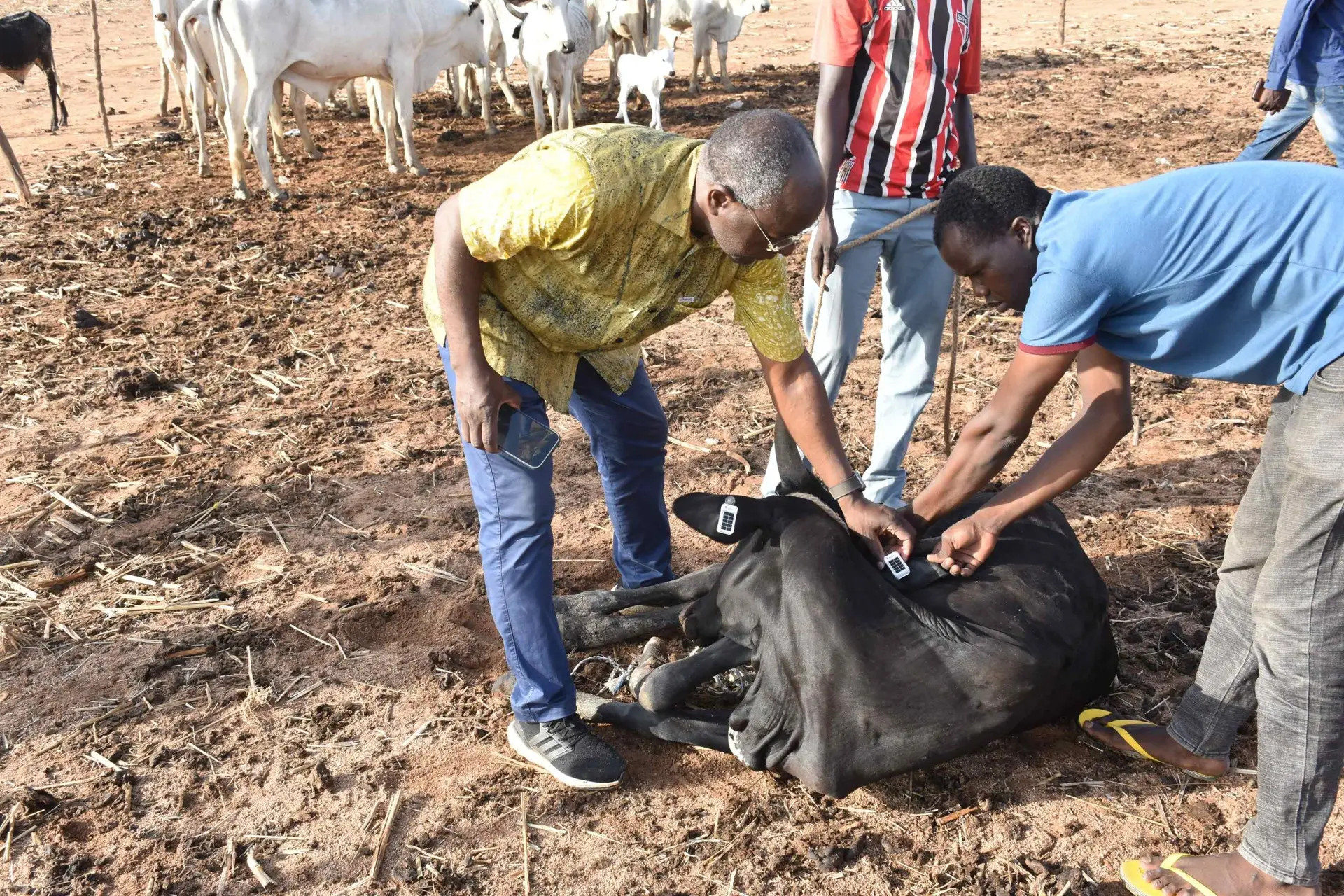
As part of the SHIS-CAM project, the CSP, in collaboration with the Liverpool School of Tropical Medicine (LSTM), implemented an innovative GPS-based livestock tracking study under the leadership of Professor Russell Stothard. Selected cattle were fitted with lightweight solar GPS ear tags to monitor their movements across grazing areas and water contact sites. This approach provides high-resolution spatiotemporal data on livestock mobility, enabling researchers to identify where and when cattle are most likely to meet freshwater habitats that may harbor

Scroll to Top