Stay informed about the latest CSP activities and our partners

Latest News

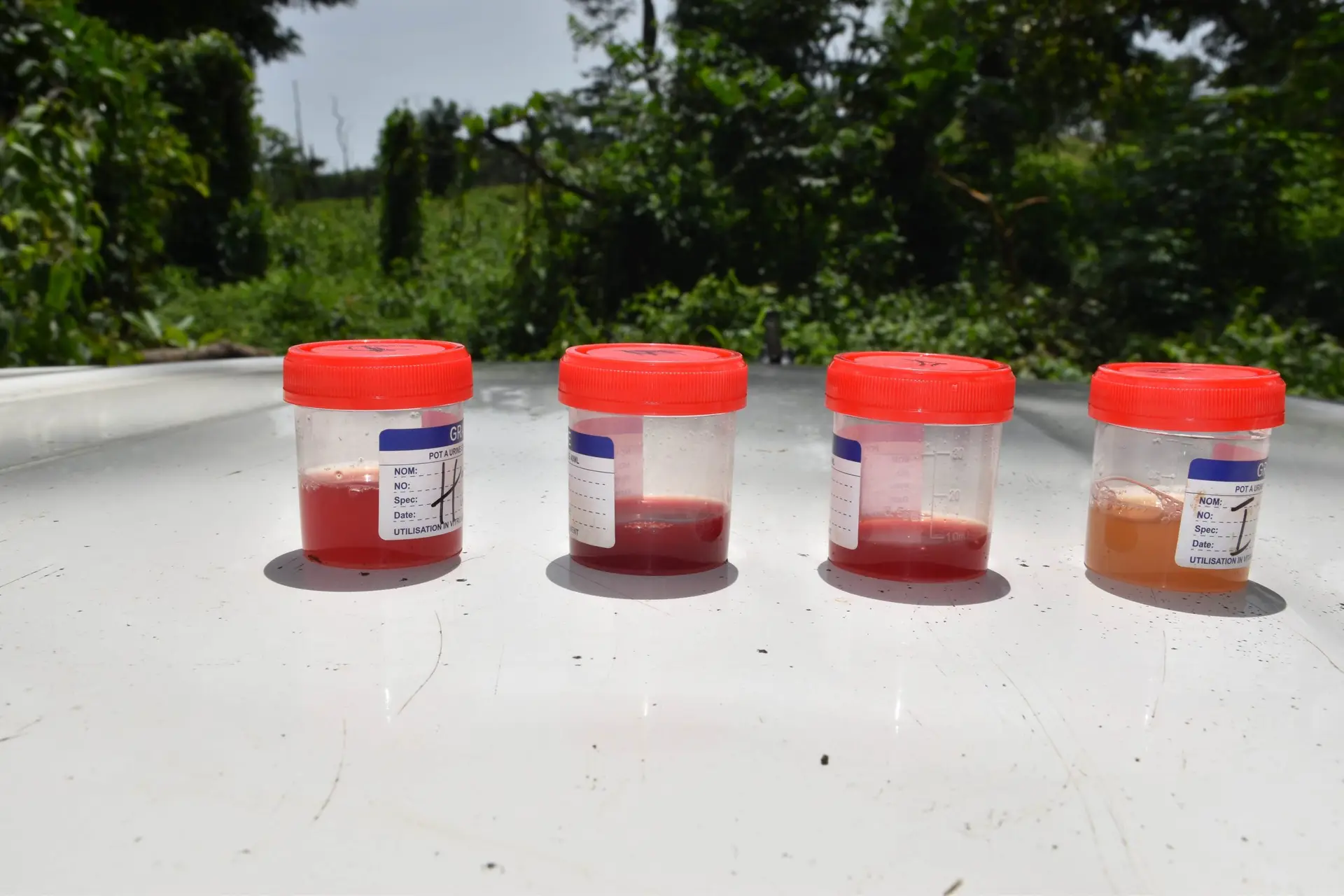
Visible Haematuria Observed During Field Screening

In this remote rural community, daily life is closely tied to nearby rivers and streams. These freshwater sources provide water for bathing, washing, fishing and other essential household activities, but they also expose children to parasites responsible for urogenital schistosomiasis. For many families, avoiding contact with these water bodies is simply not an option. During the field survey, several urine samples collected from school-aged children showed visible haematuria (blood in urine), one of the most recognizable clinical signs of urogenital
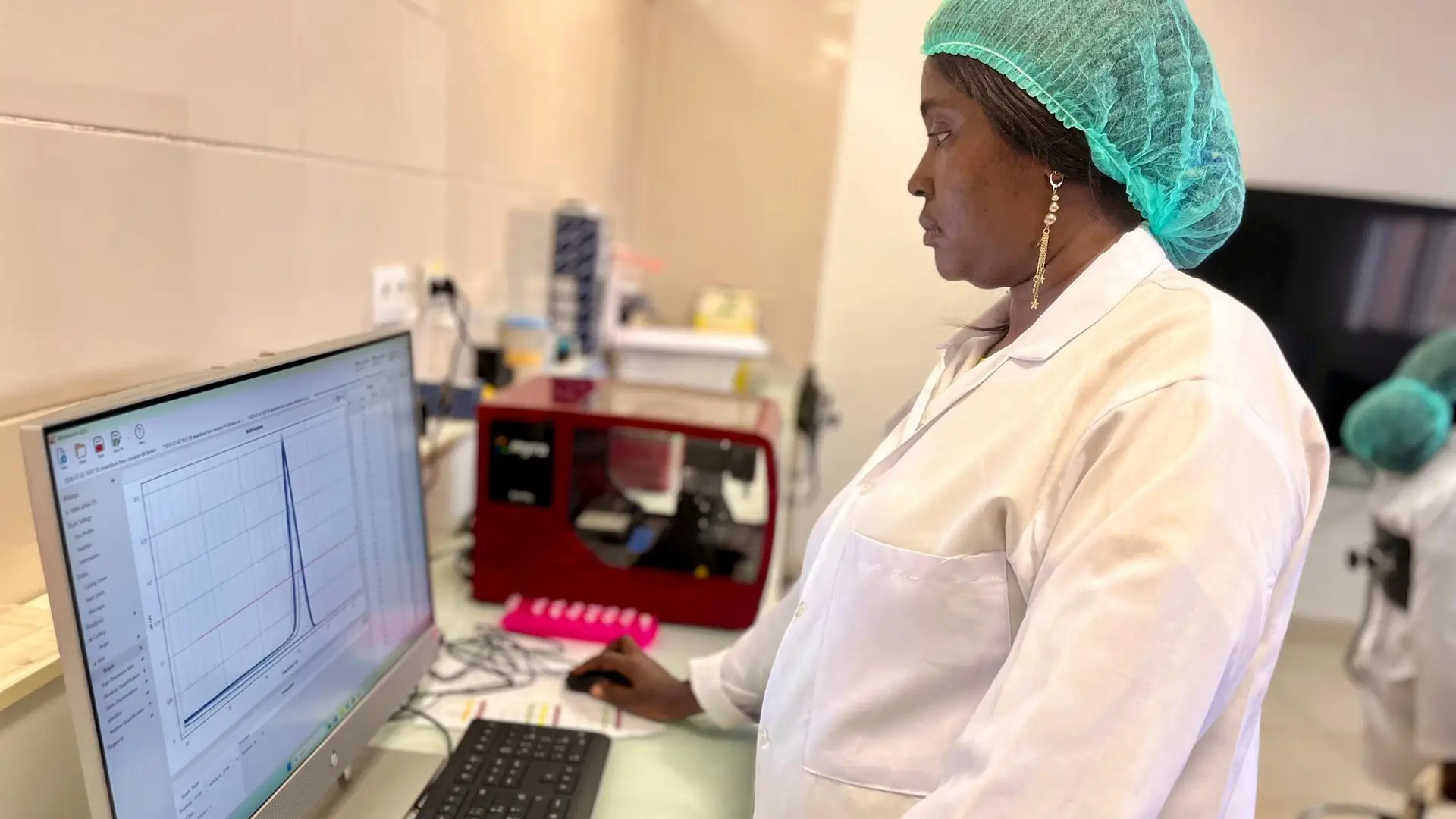
Inside molecular diagnosis: seeing what the microscope can’t

At the Centre for Schistosomiasis and Parasitology, identifying schistosomes doesn’t stop at the microscope. As part of the SHIS-CAM project, our team uses cutting-edge molecular biology tools, RT-PCR combined with HRM (High Resolution Melting) analysis, carried out using the MYRA automated system and the Mic thermocycler to precisely characterize the genetic profiles of miracidia collected in the field, whether they originate from human urine or bovine feces.   Urine filters are also analyzed in the laboratory, along with cercariae from

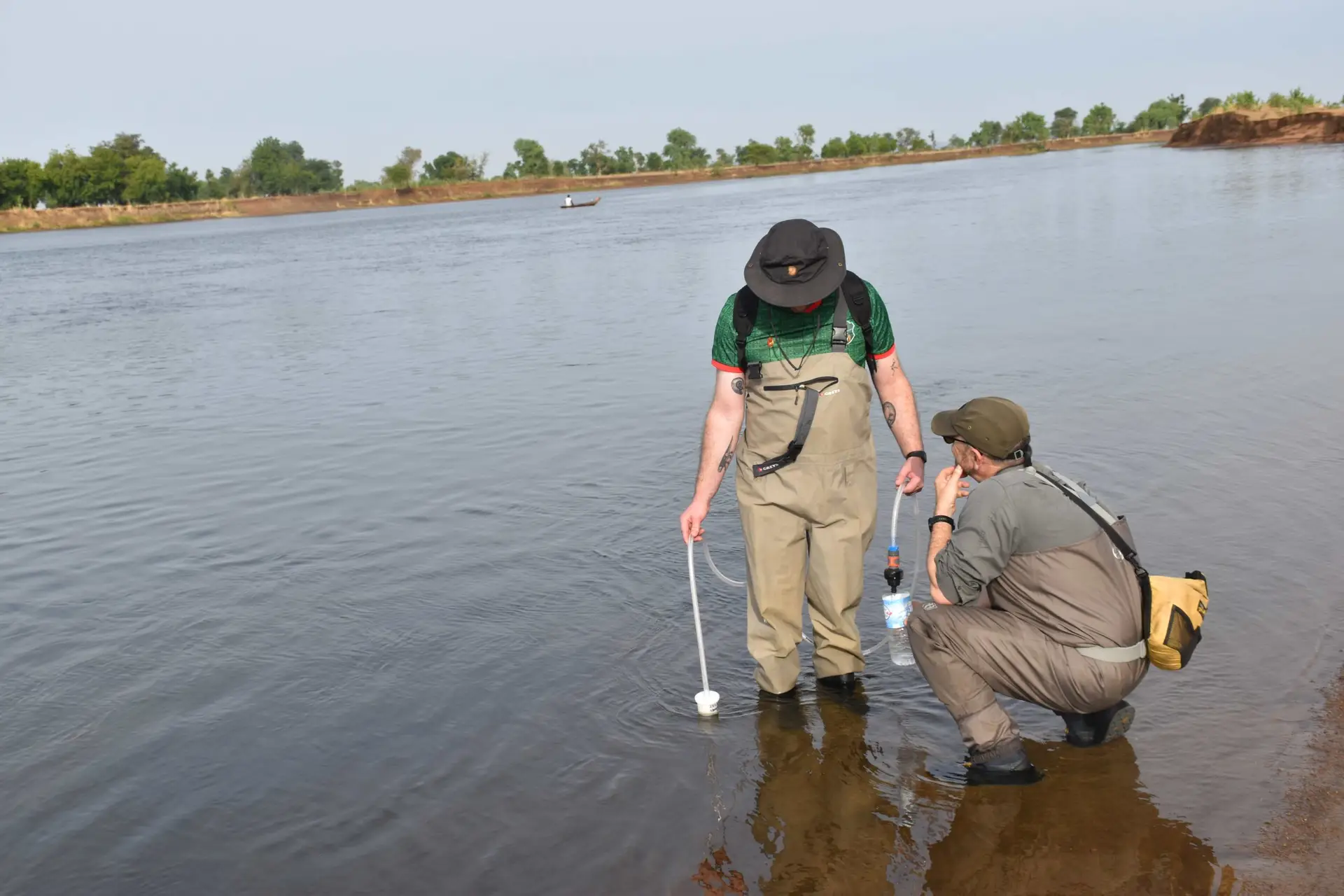
Environmental DNA (eDNA) surveillance of schistosomiasis transmission

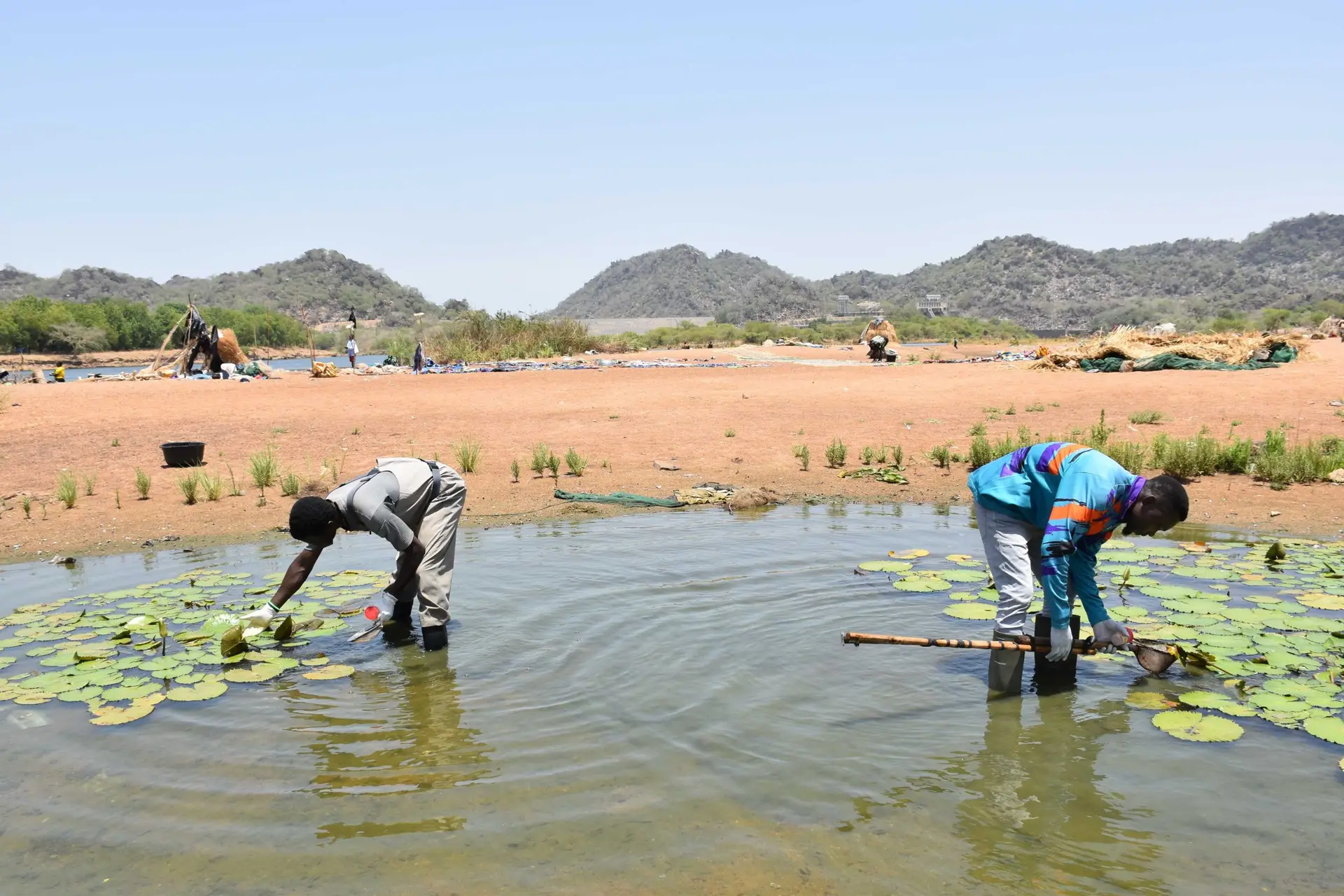
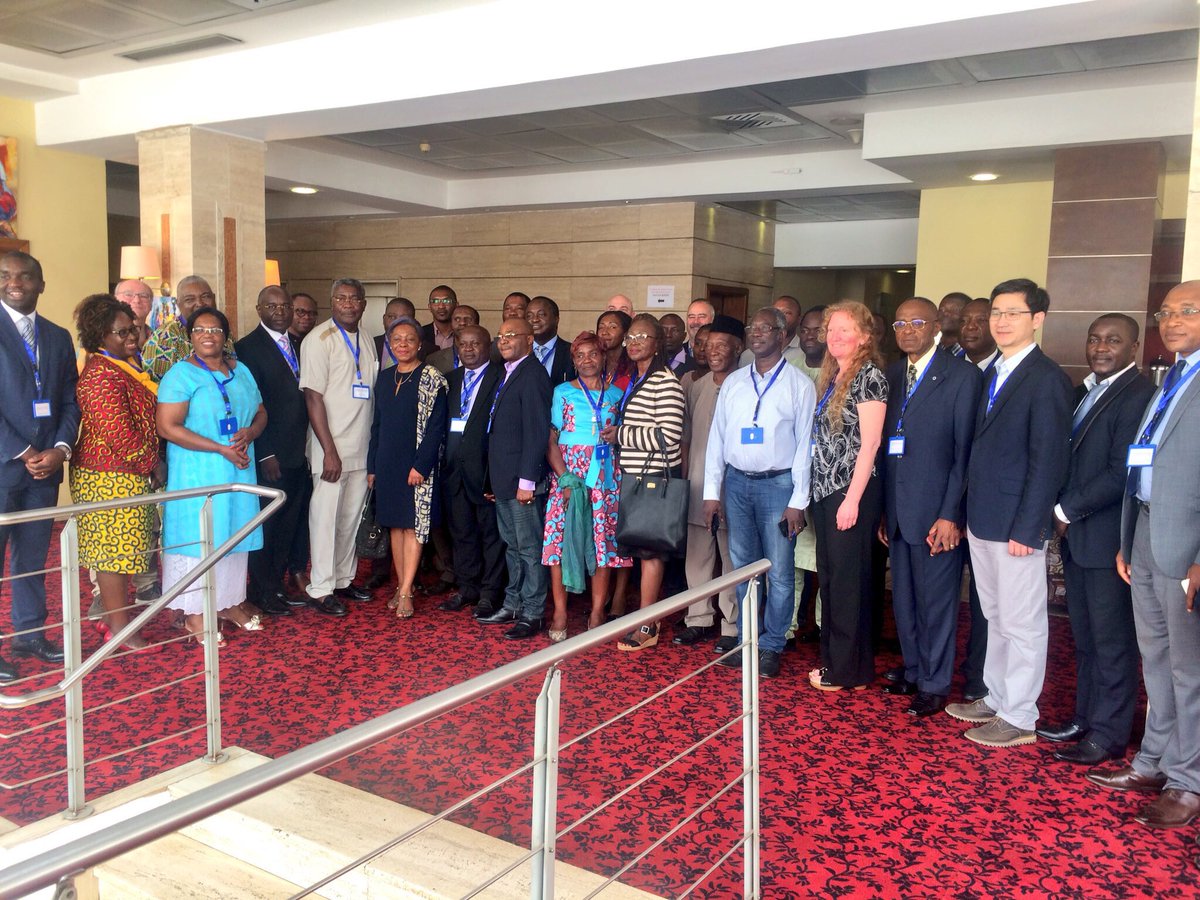
A joint team from CSP, the University of Perpignan, and the Liverpool School of Tropical Medicine (LSTM) collected water samples for environmental DNA (eDNA) analysis directly at a shared water contact point.Water is filtered on site to capture trace genetic material from any organism that has passed through it, snails, cercariae, or the human and animal hosts themselves, allowing the parasite’s presence to be confirmed molecularly, without needing to locate or dissect an infected snail. The mission reflects the multi-institutional

Malacological Survey: Tracing the Intermediate Host

  Malacological surveys are the field link between water contact points and the parasite itself. Teams search shoreline vegetation, submerged rocks and slow-moving water for the freshwater snails (Bulinus and Biomphalaria) that act as intermediate hosts for schistosomes. Snails collected on site are identified, checked for cercarial shedding, and where relevant screened for both human (S. haematobium) and animal (S. bovis) infection, directly linking a given water point to active transmission risk rather than assumed risk.   As part of

Community Engagement at the Heart of Schistosomiasis Control

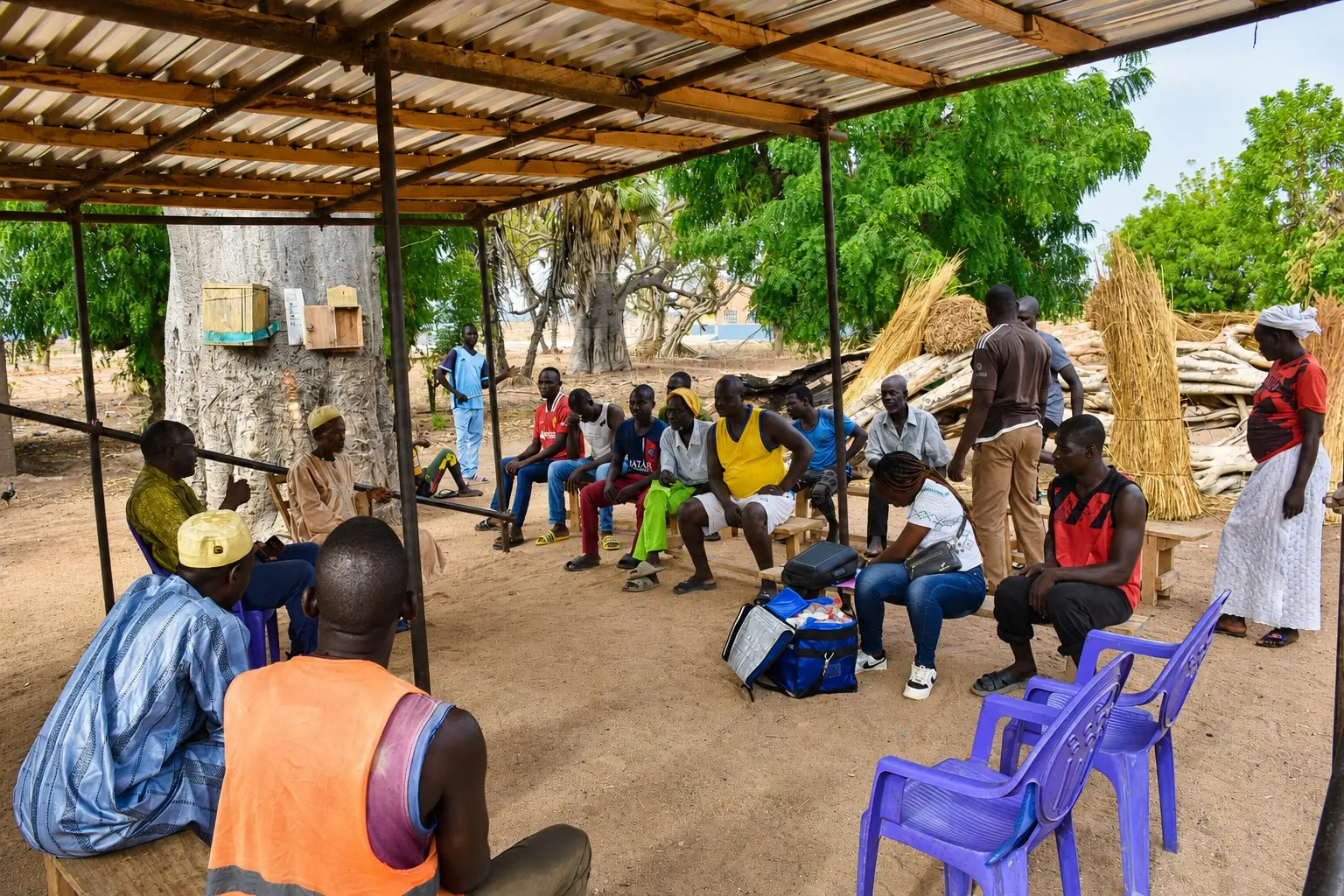
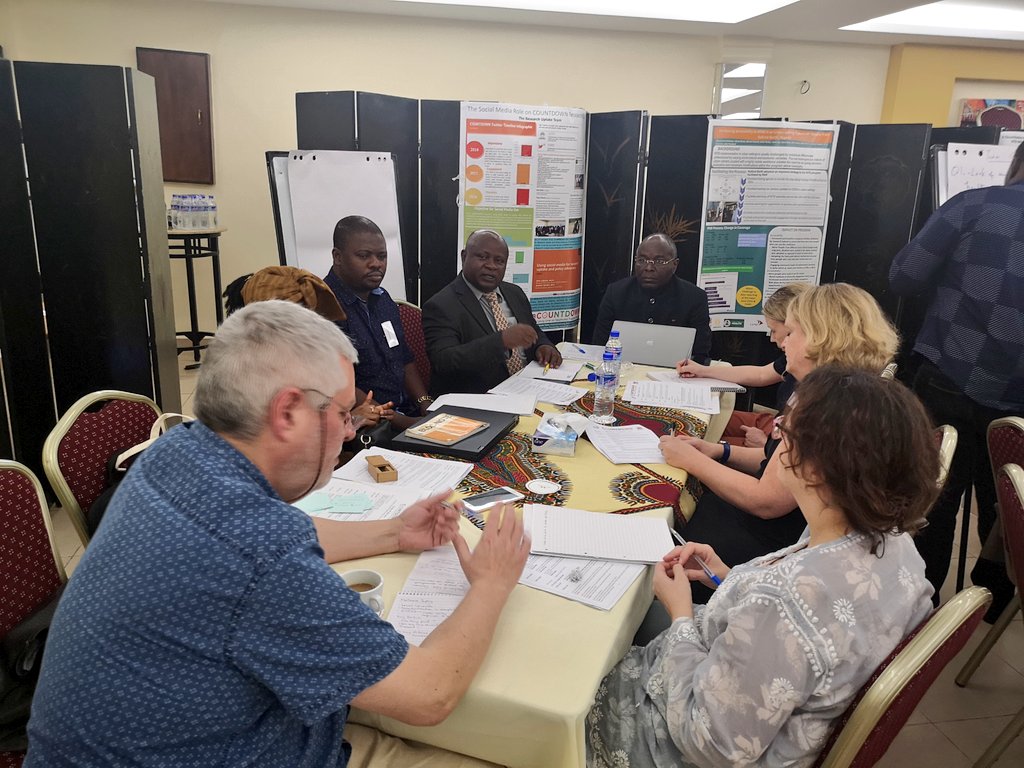
Before each parasitological survey, the Centre for Schistosomiasis and Parasitology (CSP) organized community sensitization meetings to ensure that all field activities were conducted transparently and in line with ethical standards. In Bessoum, a community in the Lagdo Health District with a history of high schistosomiasis prevalence, the research team met with the village chief, parents, teachers and other community representatives ahead of the May 2026 field investigations. The meeting explained the study’s objectives, its expected public health benefits and the

Same Water, Shared Risk

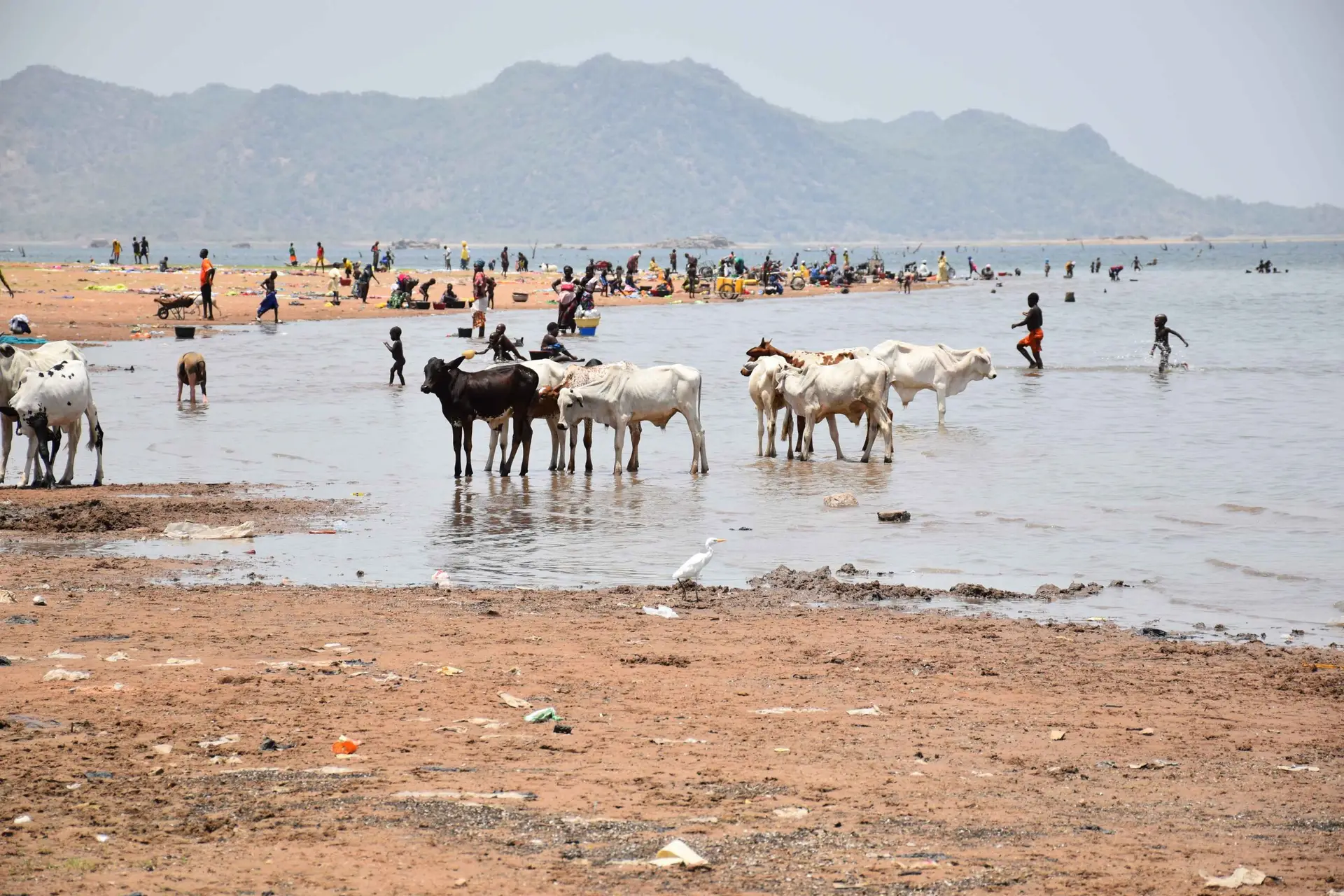
Across much of rural Cameroon, natural water points and reservoirs serve a dual purpose: domestic use such as bathing, laundry and water collection, alongside livestock watering. close, repeated contact between people, animals and the freshwater snails (Bulinus and Biomphalaria) that act as intermediate hosts drives transmission and, in some settings, hybridization between human (S. haematobium) and animal (S. bovis) schistosomes. This As part of the SHIS-CAM project, CSP is documenting the points across the Matta Health Area where people and

Scroll to Top